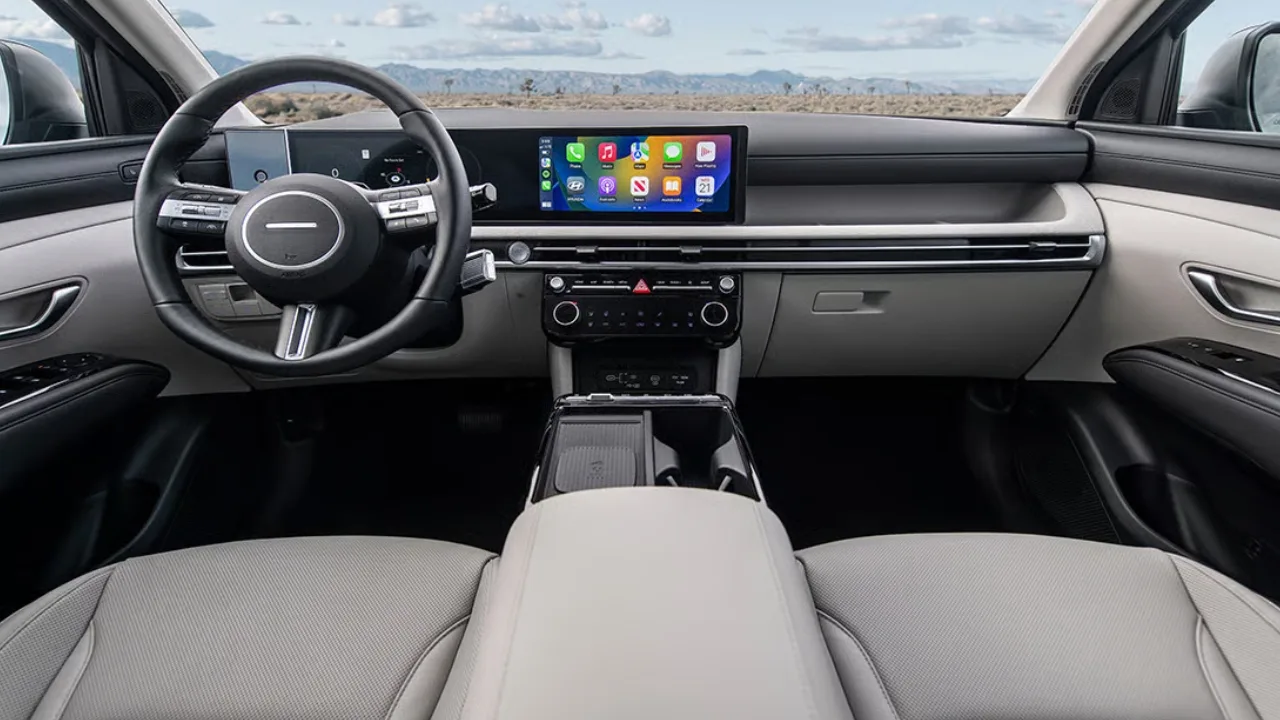
Hyundai has officially signaled its aggressive expansion for the 2026 fiscal year, targeting the heart of the Indian SUV market. By confirmed the launch of a new mid-size flagship and its first mass-market electric vehicle, the company is positioning itself to reclaim territory from domestic giants like Tata and Mahindra. Here is the comprehensive breakdown of Hyundai’s upcoming “Big Splashes” for the Indian market.
Following recent investor meets and field testing, Hyundai is focusing on a dual-track strategy: high-end internal combustion (ICE) luxury and affordable electrification. We have analyzed the potential Creta-Tucson hybrid and the upcoming mass-market EV to bring you this strategic overview.
1. The New Mid-Size Flagship
Hyundai is developing a “D-segment” SUV designed to sit perfectly between the high-selling Creta and the premium Tucson. This model is expected to be Hyundai’s answer to the Tata Harrier and Mahindra XUV700, focusing on a more sophisticated, “European” driving dynamic.
-
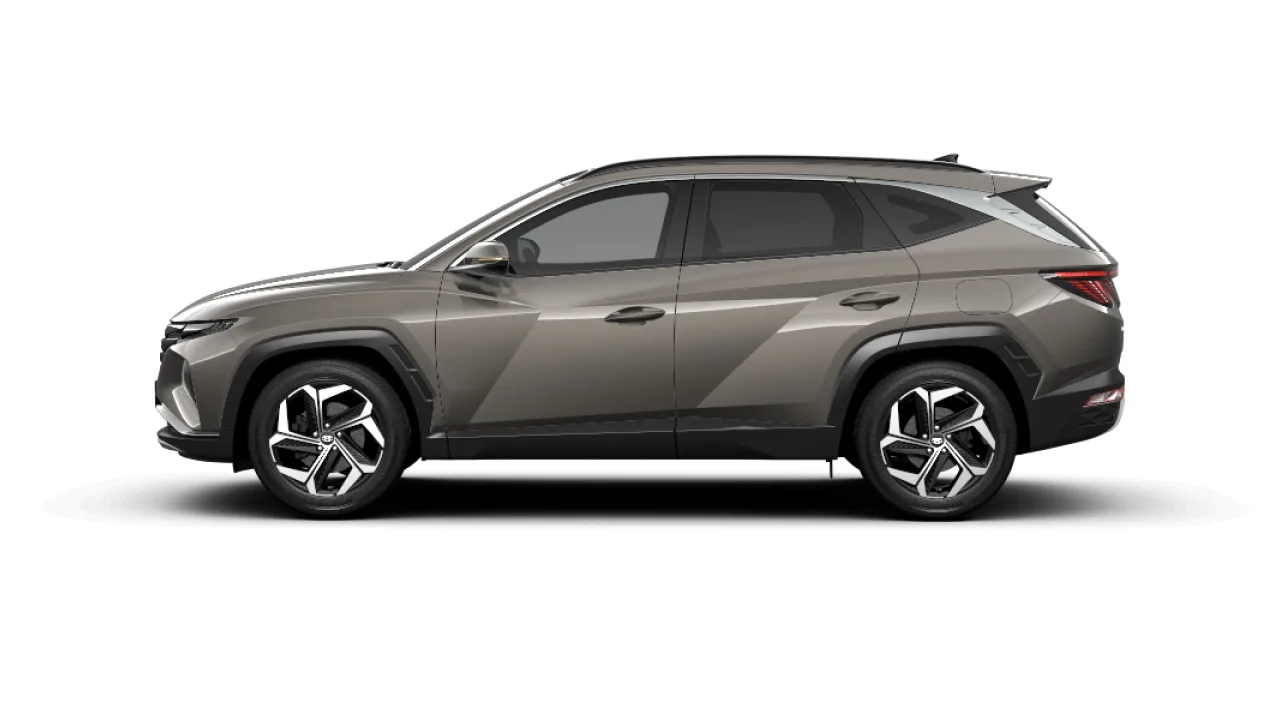
Design Philosophy: It will likely borrow the “Parametric Dynamics” design language from the Tucson while maintaining the localized parts-commonality of the Creta to keep pricing competitive.
-
Key Features: Expected to debut Level 2+ ADAS, a dual-screen curved display, and potentially a panoramic sunroof with voice-controlled smart glass.
-
Engine: Likely to feature the powerful 1.5L Turbo GDi petrol (160 PS) and the reliable 2.0L Diesel to cater to long-distance highway tourers.
2. The Compact EV
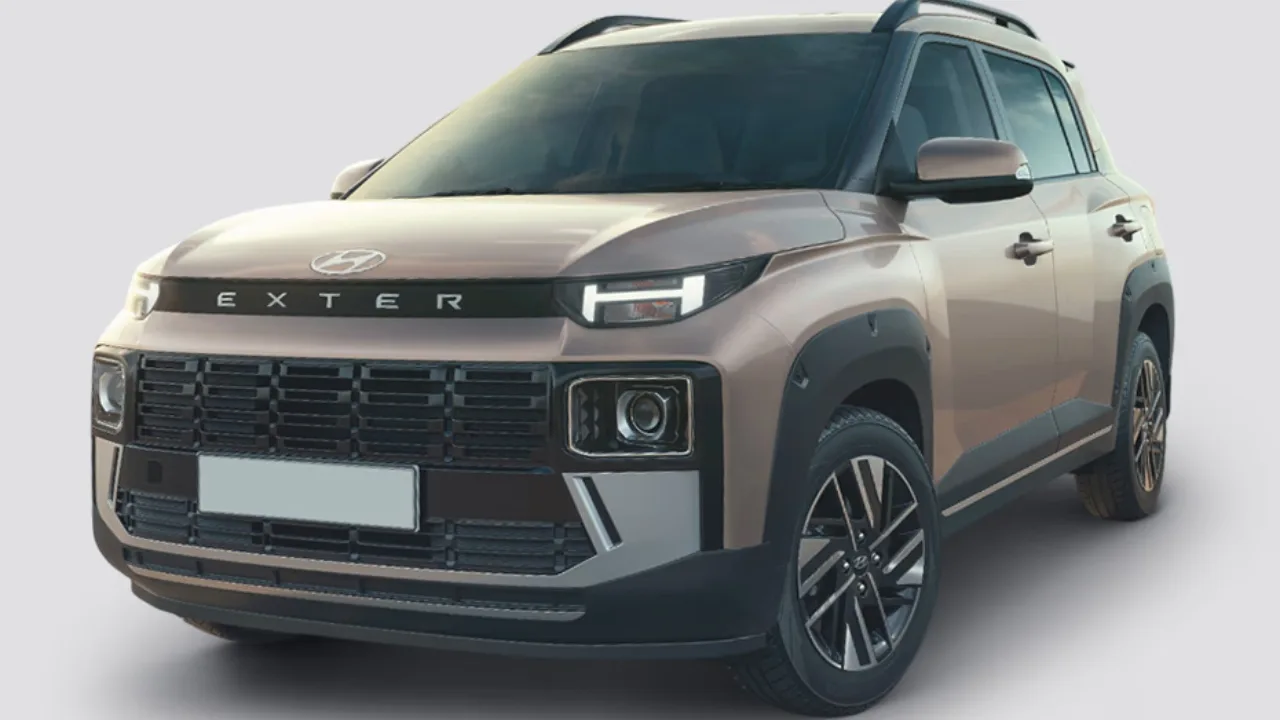
Hyundai is finally moving away from the “luxury-only” EV space (Ionic 5/Kona) to target the average Indian family. This new compact EV is rumored to be the Exter EV or a ground-up model on the modified K1 platform, designed specifically to tackle the Tata Punch EV.
-
Range Expectations: Hyundai aims for a real-world range of 350–400 km, significantly higher than current entry-level competitors, to eliminate “city-only” range anxiety.
-
Fast Charging: Expected to support 50kW DC fast charging, allowing a 10% to 80% top-up in under 50 minutes.
-
Connectivity: Will feature V2L (Vehicle-to-Load) capabilities, allowing users to power small appliances directly from the car’s battery.
3. Market Strategy
Recognizing the rising demand for hybrids (as seen with Toyota and Maruti), Hyundai has hinted at introducing Strong Hybrid versions of its most popular models, likely the Creta and Verna, in the 2026-27 cycle.
-
The Goal: To offer a middle ground for customers who aren’t ready for a full EV but want the high mileage (25+ kmpl) typically offered by hybrid technology.
-
Competitive Edge: This would give Hyundai a three-pronged attack: Petrol/Diesel, Strong Hybrid, and Pure EV.
Pros & Cons
| Pros | Cons |
| Brand Trust: Hyundai’s service network and resale value remain among the best in India. | Crowded Segment: The mid-size SUV space is already dominated by the XUV700 and Harrier. |
| Tech-First Approach: Hyundai often offers segment-first features that rivals take years to match. | EV Infrastructure: The mass-market EV will still rely on a charging network that is still maturing in Tier-2 cities. |
| Diverse Options: From 400km range EVs to torque-heavy diesels, Hyundai will have something for everyone. | Price Premium: Hyundai’s newer “D-segment” SUV is expected to be significantly pricier than the Creta. |
Should you wait for Hyundai’s new SUVs
-
Wait for the Mid-Size SUV if you want the luxury and “wow-factor” of a Tucson but are working with a Harrier-sized budget. This car will likely be the most tech-loaded vehicle in its class.
-
Wait for the Compact EV if you are currently eyeing the Tata Punch EV but prefer Hyundai’s interior refinement and smoother software experience.
-
Buy the current Creta or Exter now if your need is immediate, as these new models are likely to have significant waiting periods upon launch.
Technical Specifications
| Specification | Details |
| Flagship Safety | 6 Airbags, ESC, & ADAS Level 2 (Standard on top trims) |
| Battery Tech | Expected LFP (Lithium Iron Phosphate) for the Compact EV |
| Infotainment | 10.25-inch to 12.3-inch dual-screen setups |
| Launch Timeline | Q3-Q4 of the current Fiscal Year (2026) |
Latest News
- Weather warning – Heavy Rain, thunderstorms, lightning Alerts for 13 States Over Next 3 Days

- UP TGT Exam City Slip 2026 Released – Download at upessc.up.gov.in, Exam June 3-4

- ATM Alert: एटीएम में फंस जाए डेबिट कार्ड तो घबराएं नहीं, फटाफट यह काम करने से होगा समाधान

- Post Office Scheme – 7.5% Interest Rate, ₹5 Lakh Becomes ₹7,24,974 in 5 Years, Start with Just ₹1,000

- Best AI Video Editing Laptops Under 60,000 INR: Top Picks Her

- Best CNG Cars: पेट्रोल के बढ़ते दाम के बीच ये सीएनजी गाड़ी खरीदकर खर्च करें कम, माइलेज भी जबरदस्त
- Samsung Stable One UI 8.5 Update to Galaxy Tab S10 FE and Tab S10 FE+
- बुढ़ापे की लाठी बनेंगी ये तीन स्कीम्स, निवेश से पहले जानिए कितना मिल रहा ब्याज

- OnePlus Nord CE 6 vs Samsung Galaxy A57: Which Mid-Range 5G Phone Wins?
- Lenovo LOQ 15 Gen 11 Review: Best Budget Gaming Laptop?