
EVs vs Petrol Cars : Maintenance Cost Comparison in India 2025
EVs vs Petrol Cars : In a future India by 2025 EVs shall-become a premier choice, with many buyers shopping for an-I-E comparing the EV-with-a-petrol car not just for price and range but also maintenance costs! They have considered petrol car maintenance as normal for

 Join Us
 Add as a preferred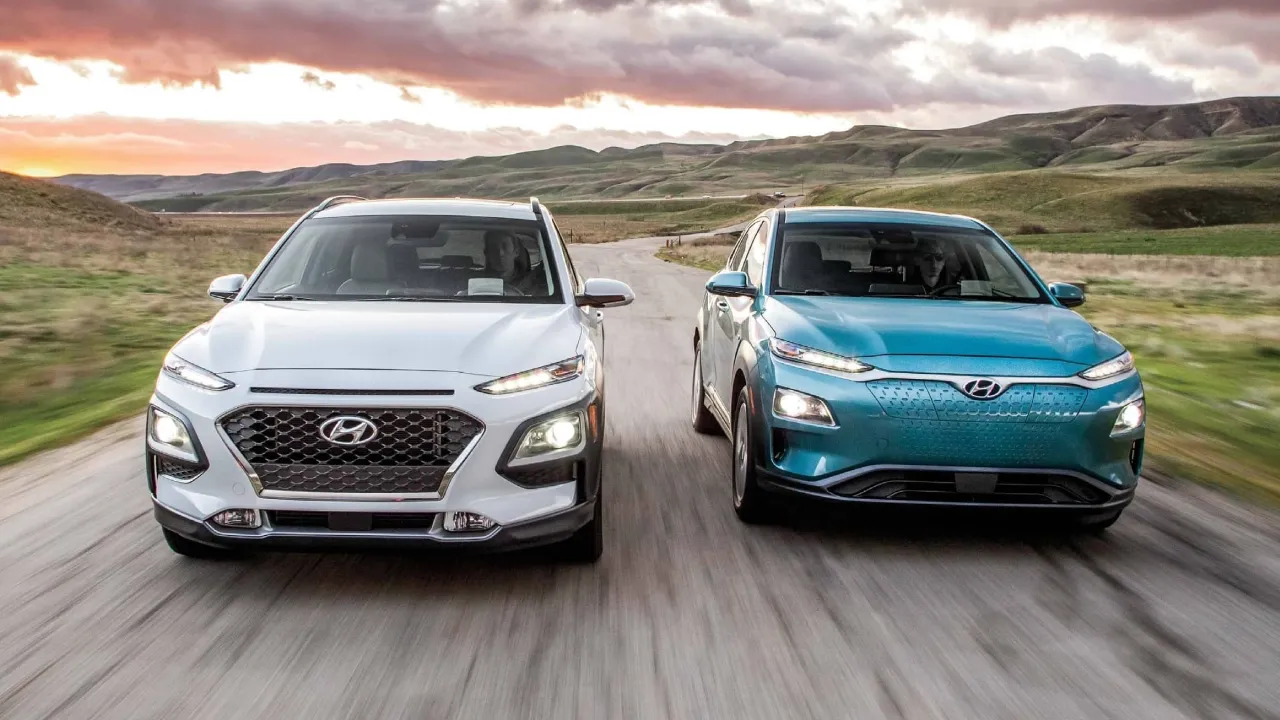
EVs vs Petrol Cars : In a future India by 2025 EVs shall-become a premier choice, with many buyers shopping for an-I-E comparing the EV-with-a-petrol car not just for price and range but also maintenance costs! They have considered petrol car maintenance as normal for a longer period now. An EV with fewer movable parts and simpler mechanisms is expected to be less of a maintenance headache when compared to its petrol-pulling counterpart. Given the differential maintenance between these two cars, the buyer may give this some consideration.
Maintenance of Petrol Cars
Petrol cars are built with many mechanical systems such as engine, gearbox, fuel system, and exhaust. Periodic maintenance includes oil changes, air filter changes or replacements, spark plug checks, and occasional engine servicing. Over time, the wear and tear on the brakes, clutch, and transmission becomes costly. Although petrol cars enjoy a large support base provided by garages and mechanics all around the country, unfortunately, periodic maintenance costs seem to weigh heavily on the owner’s pocket, with most of these cars being running machines.
Maintenance of Electric Vehicles
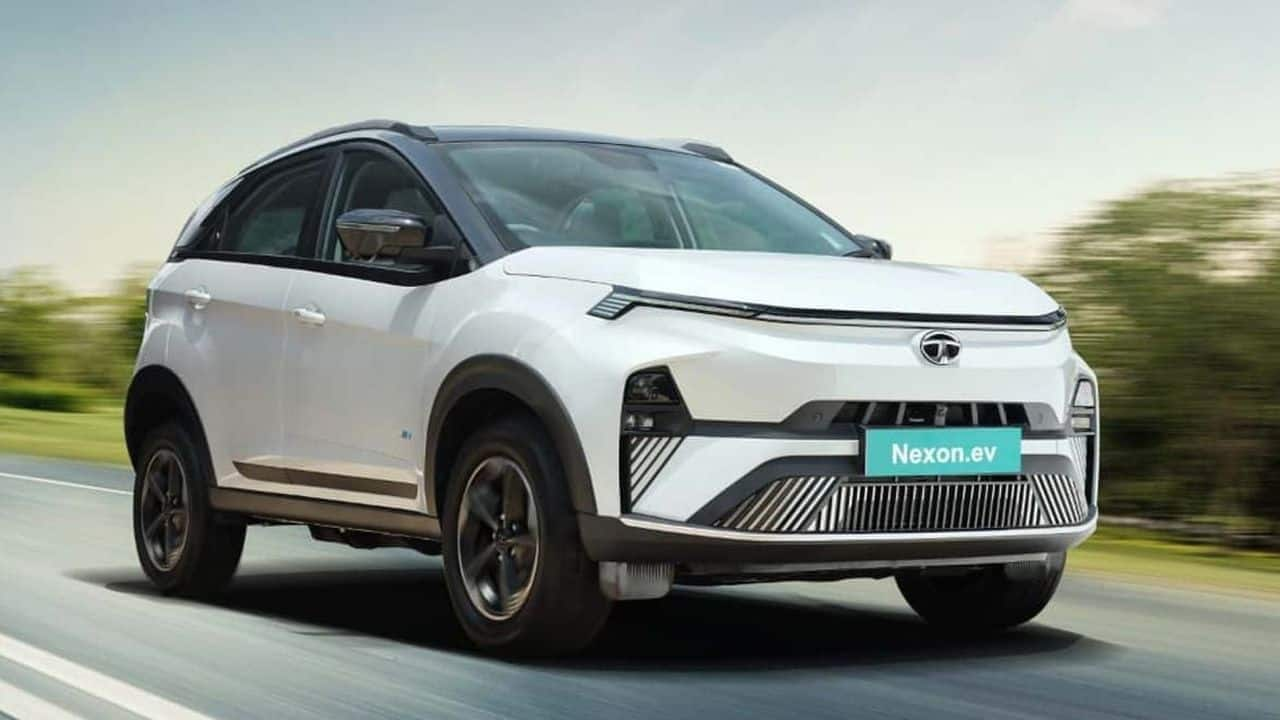
As quite simply arranged, with electric motors and batteries playing the prime roles, this pretty much sums the story of the powertrain for any EV. An electric vehicle does not require oil changes, spark plugs, and complex engine servicing; regenerative braking systems help to reduce wear on brake pads. Next to battery health, tire replacement, and software updates, EV maintenance requirements should be considered. Battery replacement costs are high but should be expected to last about 8-10 years, and often are covered under warranty for major costs associated with repairs.
Cost Analysis
Generally, lower annual maintenance costs are envisaged in EVs compared to petrol cars. Petrol vehicles on the other hand need heavy and frequent servicing, fuel-system maintenance, and more mechanical repairs. EVs thus diminish these repetitive expenses, but battery replacement might become a consideration after a few years. Overall, research and experience prove that, for five years, EV owners generally enjoy a 30%- 50% lower maintenance versus petrol counterparts.
Further Factors
EV maintenance further includes software updates sent over-the-air by manufacturers that limit the need to go to a service center. Charging infrastructure offers a great deal in convenience, but public charging and home charging schemes are significantly improving in 2025. Petrol vehicles have locations where they can be fueled, however, they are affected by price fluctuations pertaining to fuel thus escalating avoidable running costs.

Environmental Impact and Efficiency
Aside from maintenance costs, EVs also have other environmental effectiveness. Fewer engine fluids, cleaner performance, and lower emissions means they are an environmentally friendlier choice. Petrol cars, even with the extra care, go ahead to pollute the environment, consuming fuel and are therefore, long-run environmental costing.
Conclusion
By 2025 EVs will truly dance on lower maintenance charges than petrol cars, thereby justifying themselves as an investment in long-term ownership. The initial acquisition costs of EVs may be higher, but then a little savings in servicing, fuel, and less wear-and-tear would easily wipe out this initial consideration. As the more attractive choice of the two vehicle types in India, the EV is now working its way towards convenience, reliability, and cost-effectiveness.
Prashant Kumar
Next Article
Weather Update – IMD Issues Heatwave & Rain Alert for 15+ States, Full State-Wise Forecast
Heatwave Alert: The Meteorological Department has forecast that heatwave conditions will persist across most states in Northwest, Central, and East India for the next 6 to 7 days. An ‘Orange Alert’ has been issued for Punjab, Haryana, the NCR-Delhi region, Coastal Andhra Pradesh, and Odisha. Additionally, the Meteorological Department has issued an alert regarding heavy rainfall in several states across the country.


Heatwave Alert: A heatwave alert has been issued across North India due to severe heat. The Meteorological Department has issued an alert for several states across the country due to intense heat. The Delhi-NCR region is currently experiencing the full brunt of this severe heat. Temperatures recorded at various weather stations in Delhi include 44.5°C at Safdarjung, 45°C at Aya Nagar, 44.9°C at Palam, and 44.6°C at Lodhi Road. Alerts regarding severe heat have also been issued for most districts of Uttar Pradesh.
Stepping out of the house during the daytime is becoming increasingly difficult. A heatwave alert has also been issued for Eastern India. Meanwhile, alerts for heavy rainfall at isolated places have been issued for South India, Sub-Himalayan West Bengal, Sikkim, the Northeast, and adjoining parts of Eastern India. Additionally, the Meteorological Department has issued a warning regarding potential rainfall over the next five days in Tamil Nadu, Kerala, Puducherry, Karaikal, and surrounding areas.
Write a Comment