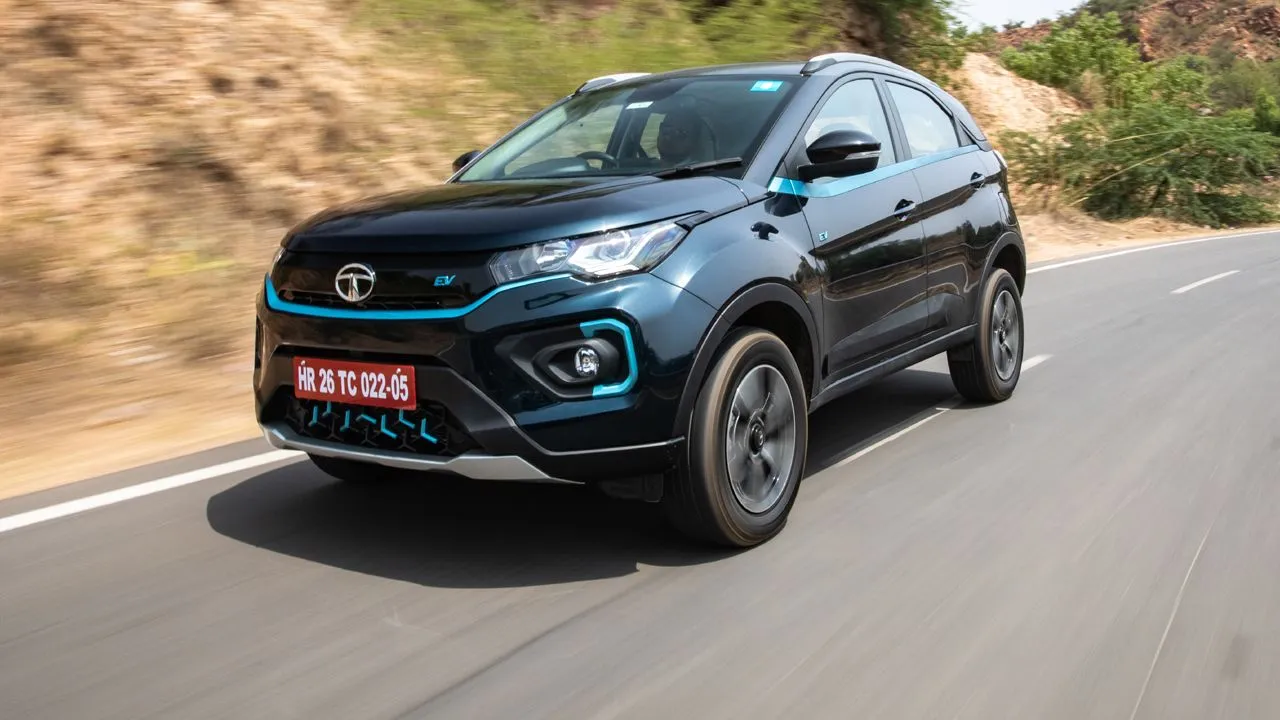
Tata Motors is poised to rock the Indian automobile market once again. The carmaker has launched an enormous expansion plan that will span five years. This foray is set to redefine Indian car options in customers’ minds—petrol, diesel, CNG, and electric vehicles segments combined—trying to address every segment and customer need.
Massive Expansion Strategy Unveiled
At the 2025 Investor Day, Tata Motors indicated that it aims to launch 30 models in 2030. 7 of them will be new products and the remaining 23 would be facelifts or improved versions of existing products. The move is a robust step towards future-proofing the product portfolio of Tata, in view of shifting customer demands and market trends.
Harrier EV Points the Way Forward
Recently launched, the Tata Harrier EV is a sizeable benchmark for the mid-segment electric SUV space. Its blend of performance, technology, and premiumness has made the Tata Harrier EV a sizeable competition contender in the growing EV space. Tata’s clear goal is to enhance this presence even more and lead the electric revolution in India.
₹35000 Crore Investment to Drive the Dream
To fund this aggressive plan, Tata Motors will invest ₹33,000 to ₹35,000 crore in FY26 to FY30. Interestingly enough, the company is looking to double its existing investment in the electric vehicle segment. Doubling the EV contribution to overall sales to 20% by FY27 is a significant goal. This shows clearly India’s vision for widespread adoption of electric mobility.
Sierra and Avinya to Strengthen Premium Segment
Sierra and Avinya are not just innovation or retro—it’s strategic. Sierra’s scheduled comeback in three fuel variants strengthens Tata’s premium SUV brand position. Avinya, meanwhile, has already created buzz through its future-tech design and technology. Their launch will allow Tata to consolidate its position in the new-age premium and EV segment.
Focus on After-Sales and Charging Network
Tata is not making cars alone—it’s building infrastructure. Efforts are being made to enhance after-sales service, especially in tier-2 cities and rural areas. At the same time, the company is strengthening its EV charging network so that the switch to electric is easy and supported at every level.
Latest News
- PM Kisan Samman Nidhi Yojana: नहीं मिल रही 2000 रुपये की किस्त तो किसान तुरंत करवा लें यह काम

- Aadhaar Card Update Rules – How Many Times Can You Change Address, DOB & Number?

- Train Ticket: How to book a confirmed train ticket without an agent? Learn the Easy Steps

- Indian Railways– 155 Trains Express Declared High-Speed, Thousands of Railway Staff to Benefit

- Monsoon Alert – Warning Heavy to Very Heavy Rain alert & thunderstorms in 22 States Over Next 4 Days

- America-Iran War: मिडिल ईस्ट में तनाव होगा खत्म! ईरान ने होर्मुज रास्ते पर कही बड़ी बात

- PM Surya Ghar Yojana 2026: Get Up to Rs 78,000 Subsidy within 6 Easy Steps, Know Here

- Cheapest Available 5G Smartphones in India Under 10000

- UPSC Prelims Answer Key 2026 – How to Download UPSC Prelims Answer Key at upsc.gov.in

- 8th Pay Commission: एनपीएस और पुरानी पेंशन में कौन सी बेहतर, जानिए बड़ा अपडेट