



How many times can you withdraw money from an ATM? Know the daily limit
There are usually no restrictions on cash withdrawals from ATMs. That is, you can withdraw cash as many times as you want in a day, provided your daily cash limit is not over. However, there is a limit on how much money can be withdrawn.
For example, if the daily cash withdrawal limit on your debit card is ₹50,000, then you will be able to withdraw only ₹50,000 in total at one time or even 10 times in a day. This limit is fixed in advance in the ATM machine and no more money can be withdrawn from it.
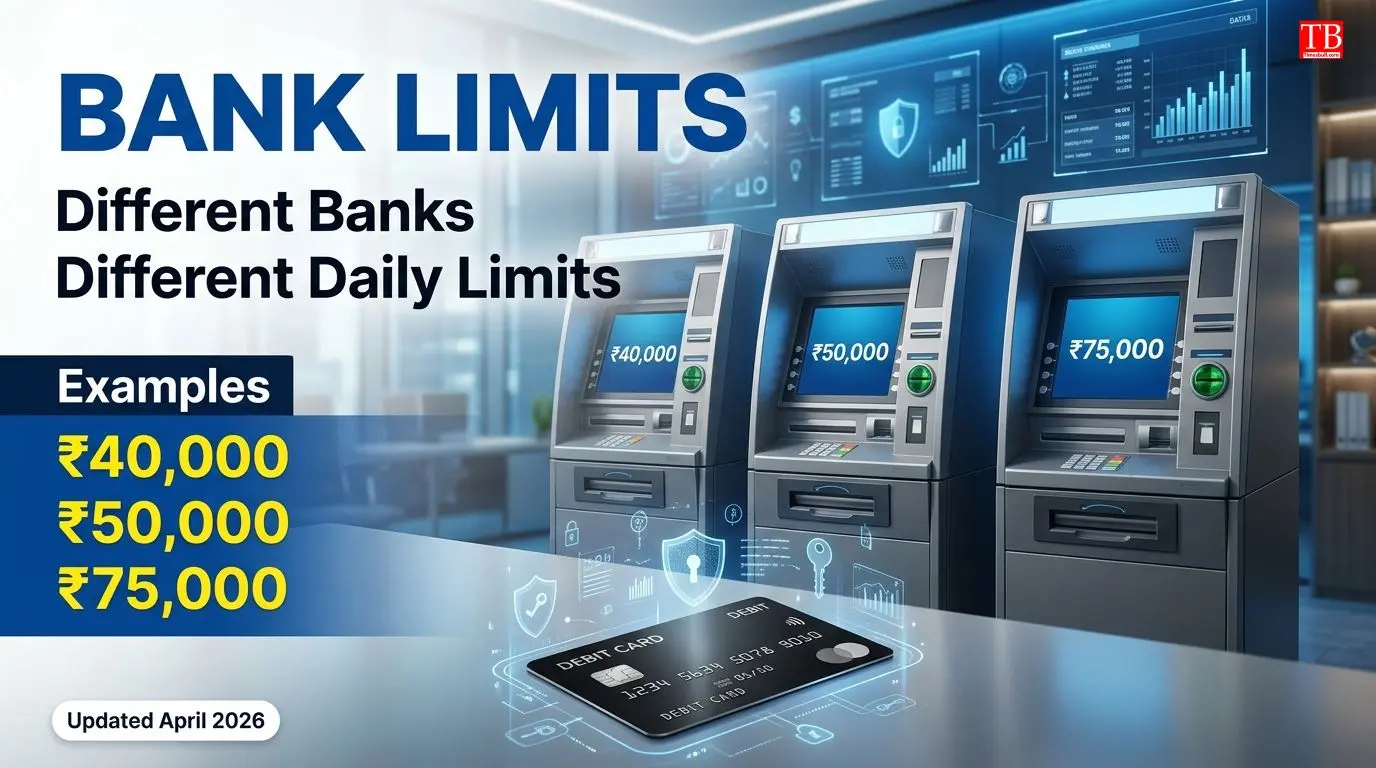
Different banks, different daily limits What's your bank's policy?
Each bank has its own daily cash withdrawal limit. No single number is fixed for all banks, but it depends on your bank and the type of your debit card. Recently, some big banks have changed their limits from April 1, 2026:
Punjab National Bank (PNB) The daily ATM cash withdrawal limit on some select debit cards has been reduced from ₹1,00,000 to ₹50,000.
PNB Premium Cards (RuPay Select, VISA Signature) The limit has been reduced from ₹1,50,000 to ₹75,000.
State Bank of India (SBI) SBI's Classic and Maestro cards usually have a daily limit of ₹40,000, while Platinum cards have a higher limit.
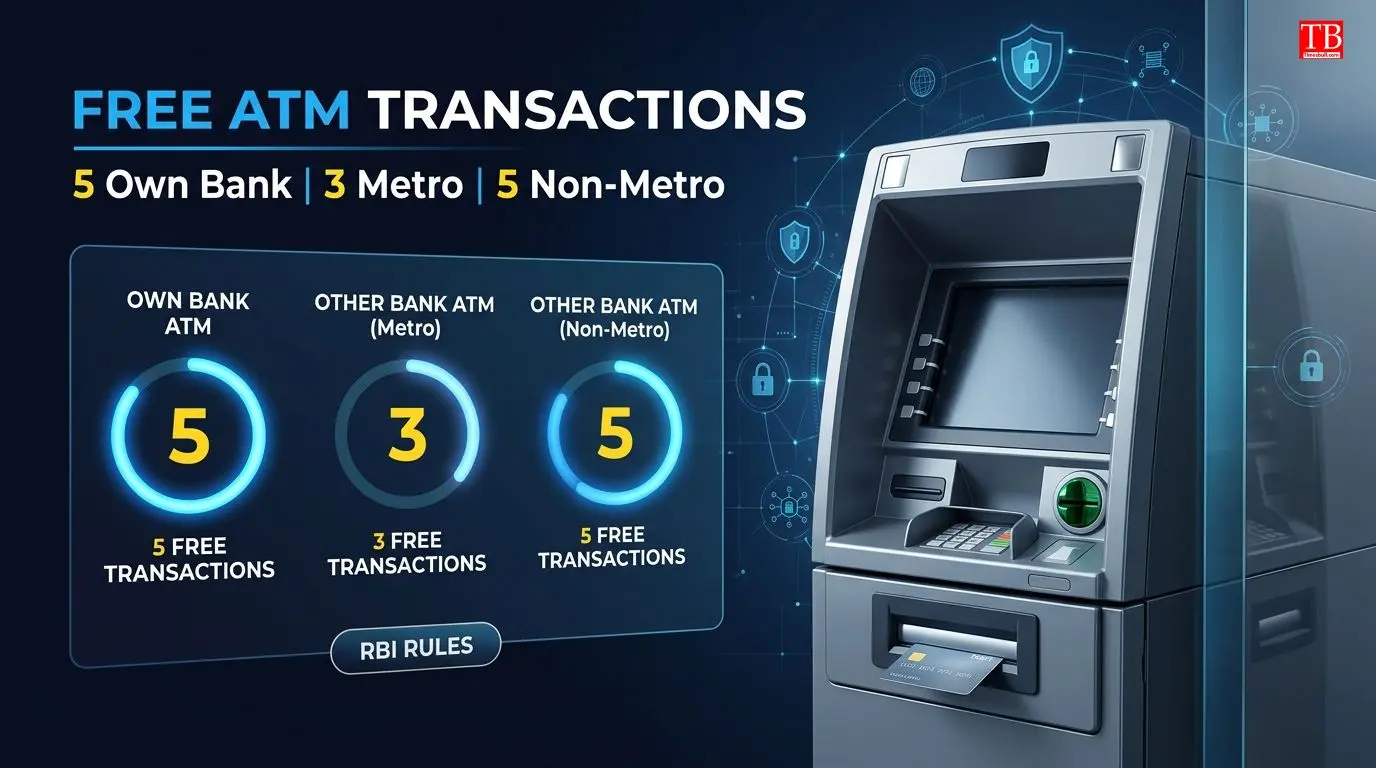
Free ATM transactions How much do you get each month?
As per RBI rules, every savings account holder gets a few free ATM transactions every month:
At the bank's ATM: 5 free transactions every month (both financial and non-financial).
ATMs of other banks (in metro cities) 3 free transactions per month (metro cities - Mumbai, Delhi, Chennai, Kolkata, Bengaluru, Hyderabad).
ATMs of other banks (in non-metro cities) 5 free transactions per month.
These free transactions include not only cash withdrawal but also services like balance check, mini statement and PIN change. Keep in mind, non-cash transactions (such as balance checks) at your bank's ATM are not counted in these 5 transactions.

New changes in HDFC Bank, PNB, Bandhan Bank (from April 2026)
From April 1, 2026, many big banks have made changes in ATM rules:
HDFC Bank: Now UPI-based cardless cash withdrawals will also be counted in the limit of monthly free ATM transactions. That is, if you withdraw money from UPI without a card, then that will also be included in your limit of 3 or 5 transactions.
PNB: The daily cash limit on some cards has been reduced (see above).
Bandhan Bank: It offers unlimited non-financial transactions at its ATMs, while a free limit will be applicable on financial transactions.
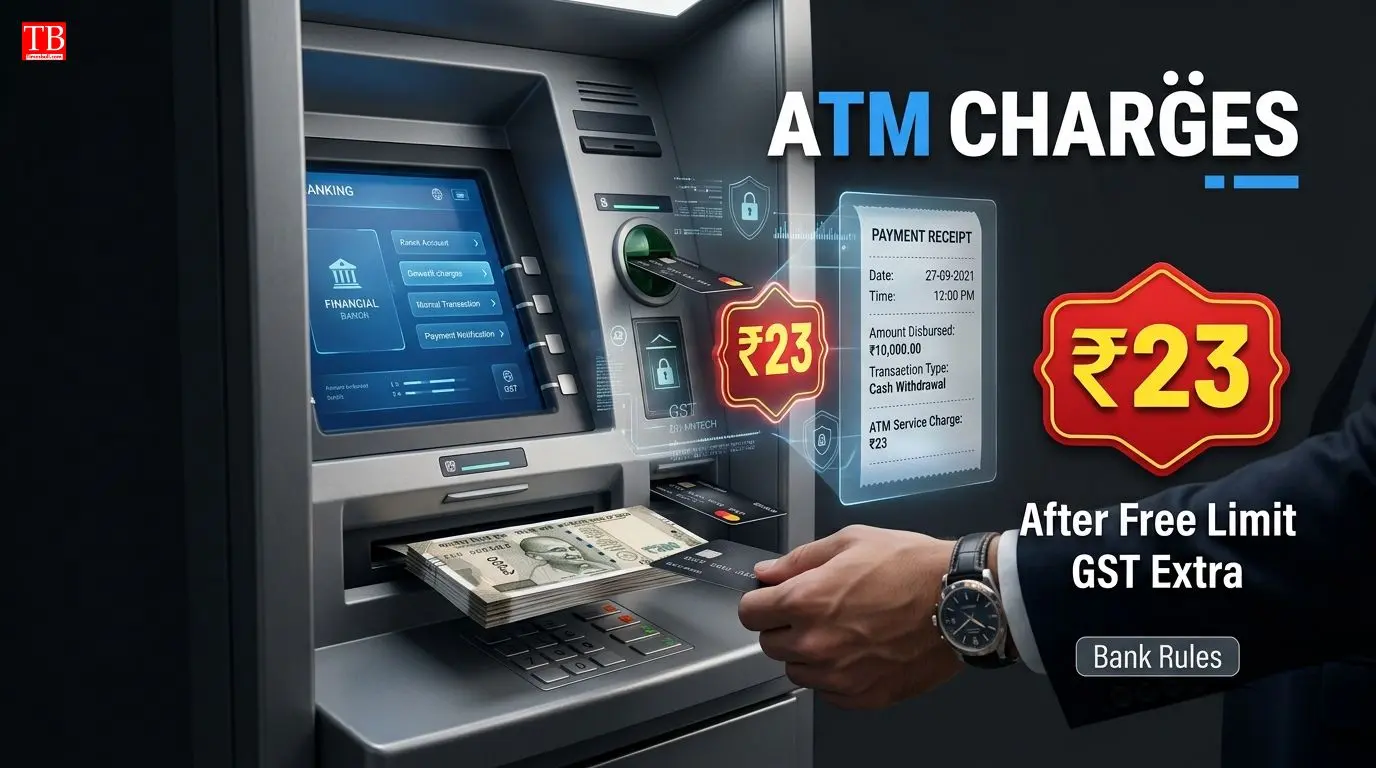
How much will be charged when the free limit expires?
If you cross the free ATM transaction limit every month, the bank charges for every additional transaction. According to the RBI, this charge can be a maximum of ₹23 per transaction (GST extra). However, the charging of different banks may be different:
HDFC Bank: ₹23 per transaction.
PNB: ₹23 on financial transactions and ₹11 on non-financial transactions.
SBI: ₹15 + GST on SBI ATMs and ₹23 + GST on other bank ATMs (till September 2024).
ICICI Bank. ₹21 financial and ₹8.50 non-financial (GST extra).
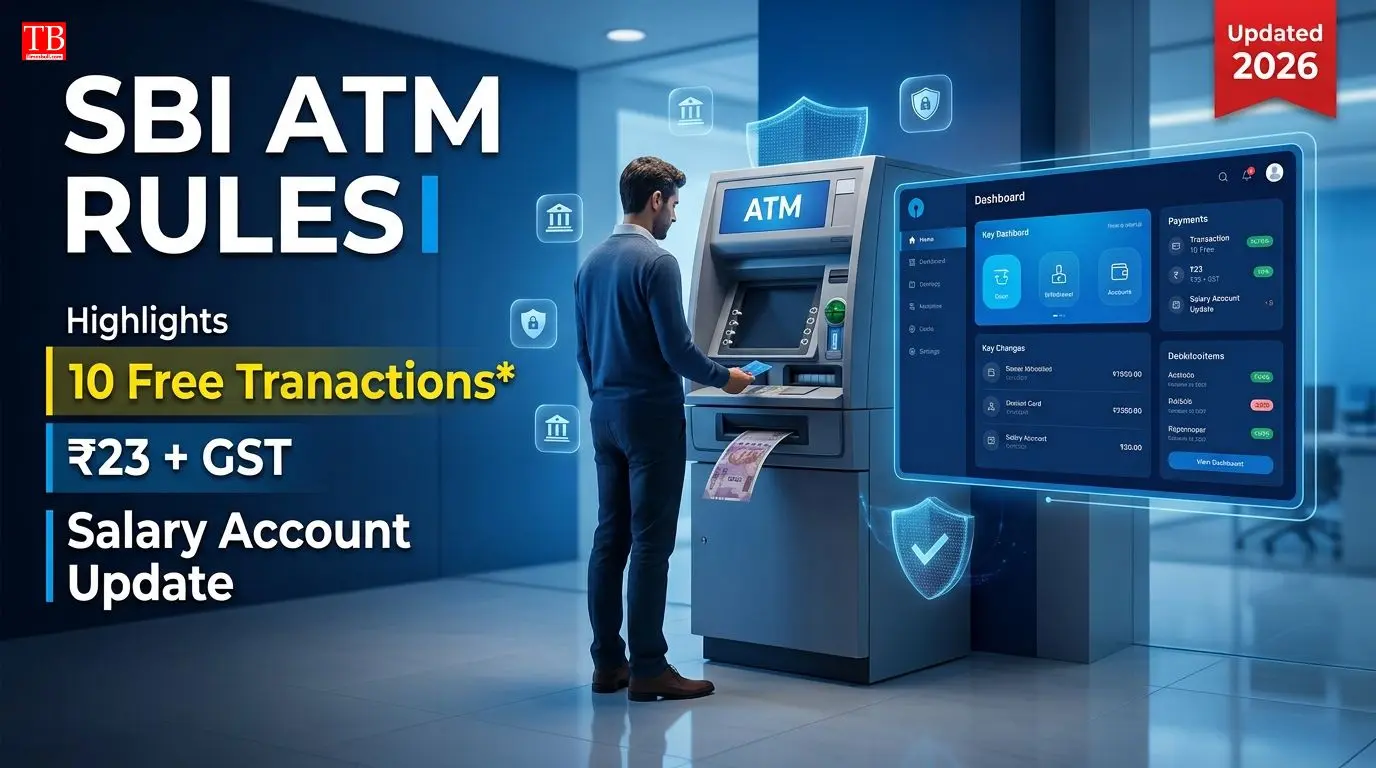
Special rules for SBI - what has changed?
SBI has also recently made changes in its ATM charges:
Salary Account Holders: Earlier, they used to get unlimited free transactions at other banks' ATMs, but now this limit has been increased to 10 transactions per month from December 1, 2025.
Savings account holders: The limit of 5 free transactions at other bank ATMs continues as before, but the charge has increased - Now ₹23 + GST (earlier ₹21 + GST).
There has been no change in charges at SBI's own ATMs.
Is it free to withdraw money from an ATM using UPI?
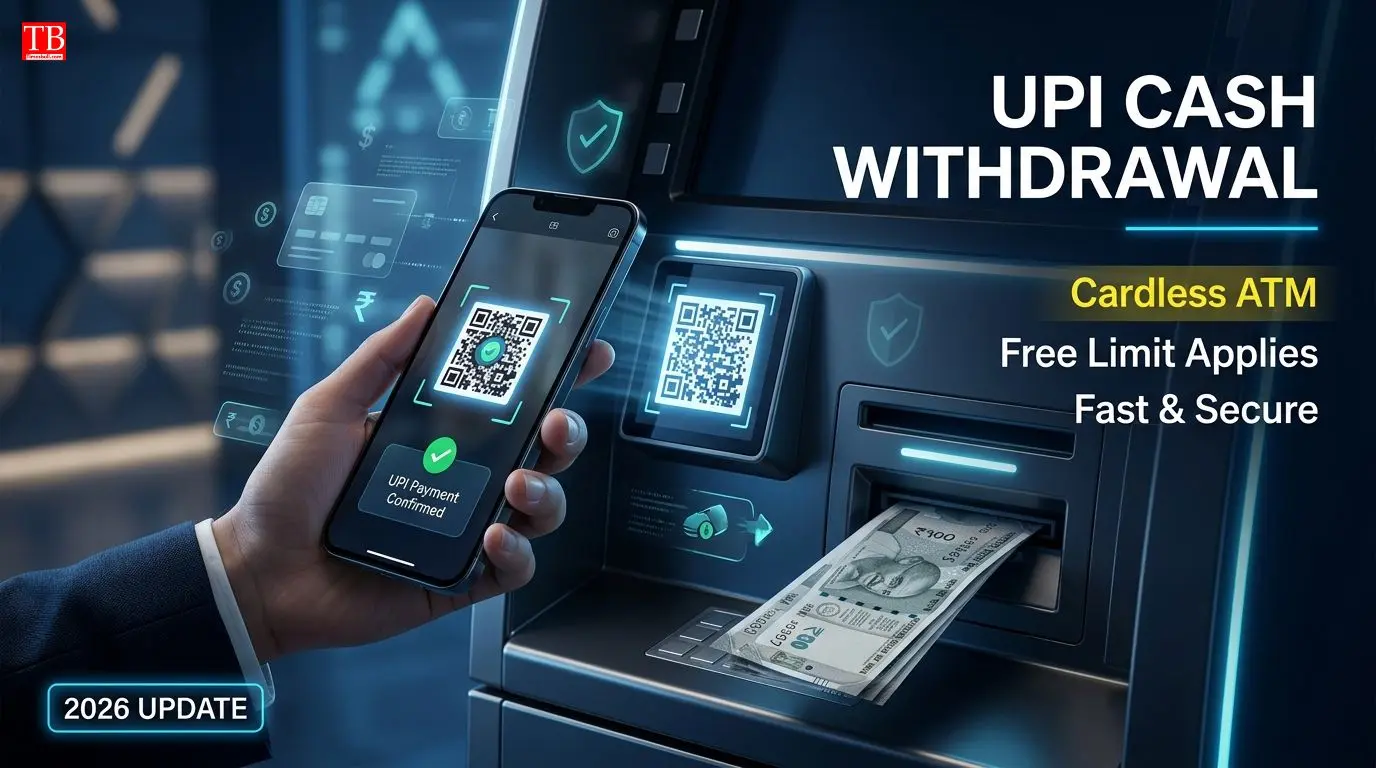
The cardless cash withdrawal facility from ATMs through UPI (Unified Payments Interface) has been launched recently. But HDFC Bank has made it clear that from April 1, 2026, UPI-based cash withdrawals will also be counted in your monthly free ATM transaction limit.
That is, if your limit is over, then a charge of ₹23 can also be charged for withdrawing money from UPI. However, SBI has kept cardless cash withdrawal free for now.
What to do to avoid ATM charges?
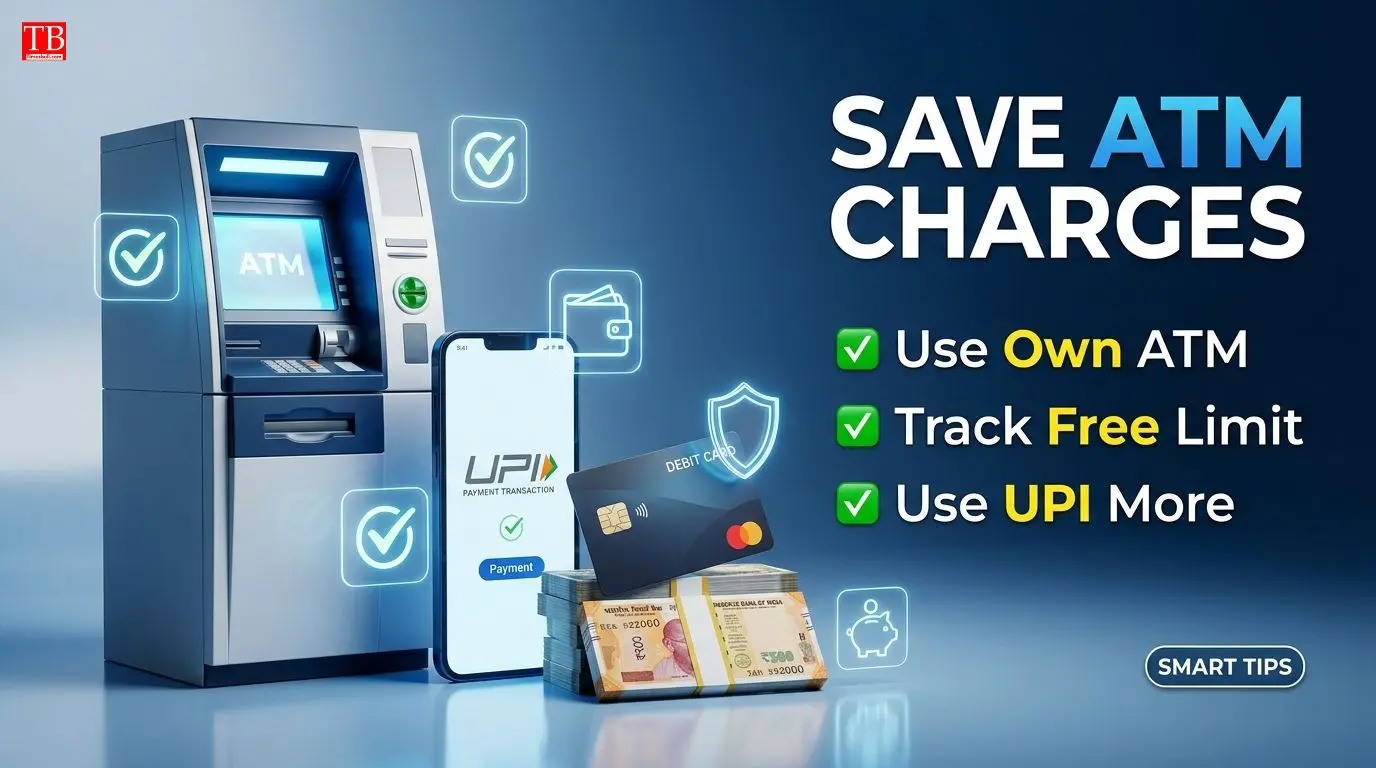
If you want to avoid unwanted ATM charges, follow these tips:
Keep a count of your free ATM transactions every month and try not to cross the limit.
Whenever possible, use your own bank's ATM. Even after the free limit is over, some banks (such as SBI) charge less.
Make a habit of withdrawing a large amount of money in a small number - Withdrawing ₹10,000 at once is better than withdrawing ₹1,000 10 times.
Use digital payments (UPI, net banking) for more transactions so that dependence on ATMs is reduced.
Some banks offer unlimited free ATM transactions in premium accounts. If your account falls in that category, take advantage of it.
What happens when an ATM transaction fails?
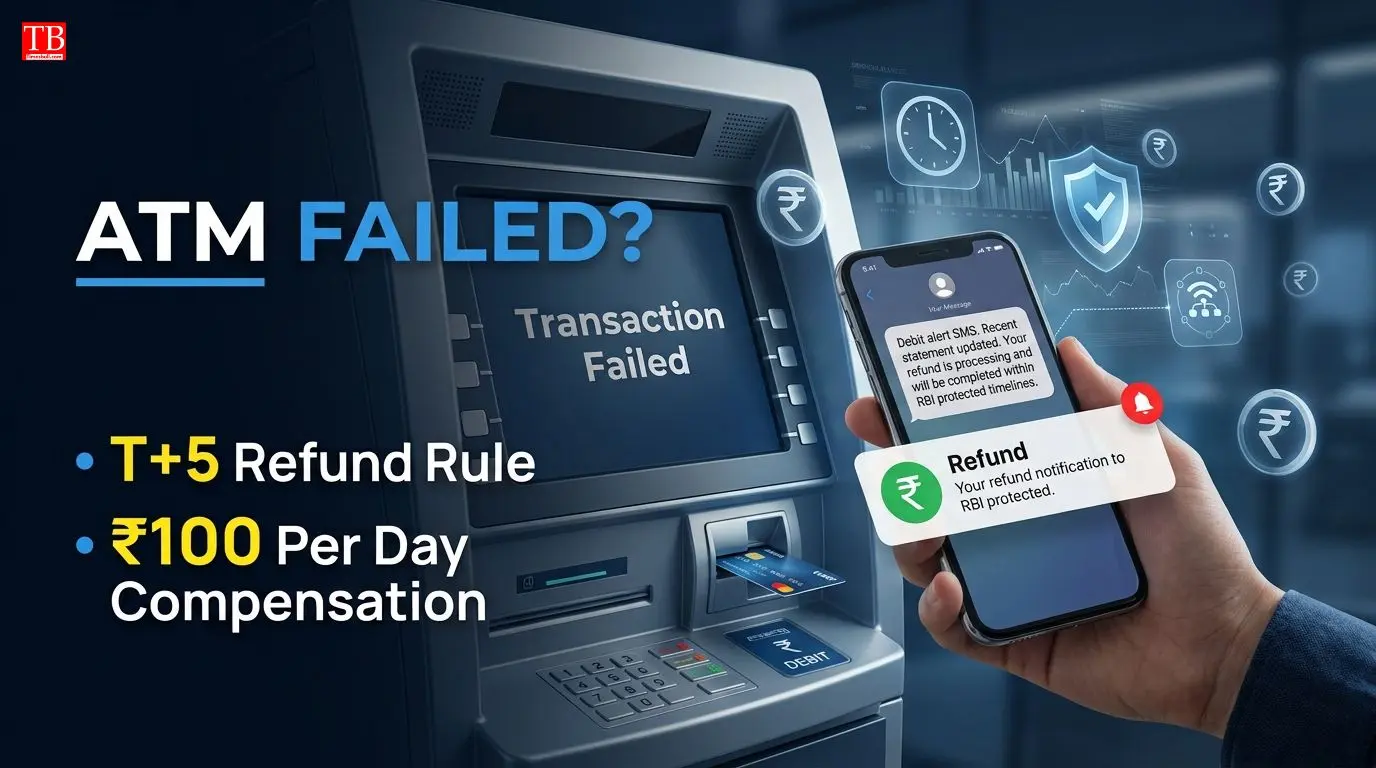
As per RBI rules, if your ATM transaction fails due to a technical reason (such as network issue, no money in the ATM) and the money is deducted, the bank has to refund the amount within T + 5 (5 working days).
If this does not happen, the bank is liable to pay a compensation of ₹100 for every day of delay. If this happens to you, contact your bank immediately and file a complaint.

Can you increase the limit of your ATM card?
Yes, many banks give you the facility to increase your ATM cash withdrawal limit. For this, you have to go to the bank's mobile app, net banking or branch and make a request. However, it depends on your account type, your banking history, and the debit card you're using. Premium cards (such as Platinum, Signature) usually have a higher limit.

Conclusion
The rules for withdrawing cash from ATMs vary from bank to bank and card to card, but the RBI has set a limit on free transactions and maximum charges. 5 free transactions at own bank ATMs, 3 in metro and 5 in non-metro ATMs of other banks. After the free limit is exhausted, a charge of ₹23 per transaction can be levied.
The best way is to use your bank's ATM more, adopt digital payments and take care of the free limit every month. Recently, many banks have changed their daily limits and charges from April 1, 2026, so be sure to check the latest rules of your bank. timesbull.com will continue to provide you with similar important financial information.
If you have any queries, let us know in the comments.