

Mokshada Monday Remedies for Lord Shiva – Powerful Rituals to Remove Obstacles-what-to-offer-on-shivling-for-divine-blessings-669935.html" class="tb-related-post-link" rel="bookmark">Paush Putrada Ekadashi Rituals – What to Offer on Shivling for Divine Blessings? is regarded as one of the most sacred fasting days in Hindu tradition. This year, the auspicious day falls on 1 December during the Shukla Paksha of the Margashirsha month.
According to belief, those who worship Lord Vishnu with a pure heart on this day receive freedom from the cycle of birth and rebirth. Here are the special remedies and rituals associated with Mokshada Ekadashi.
Gita-Related Rituals
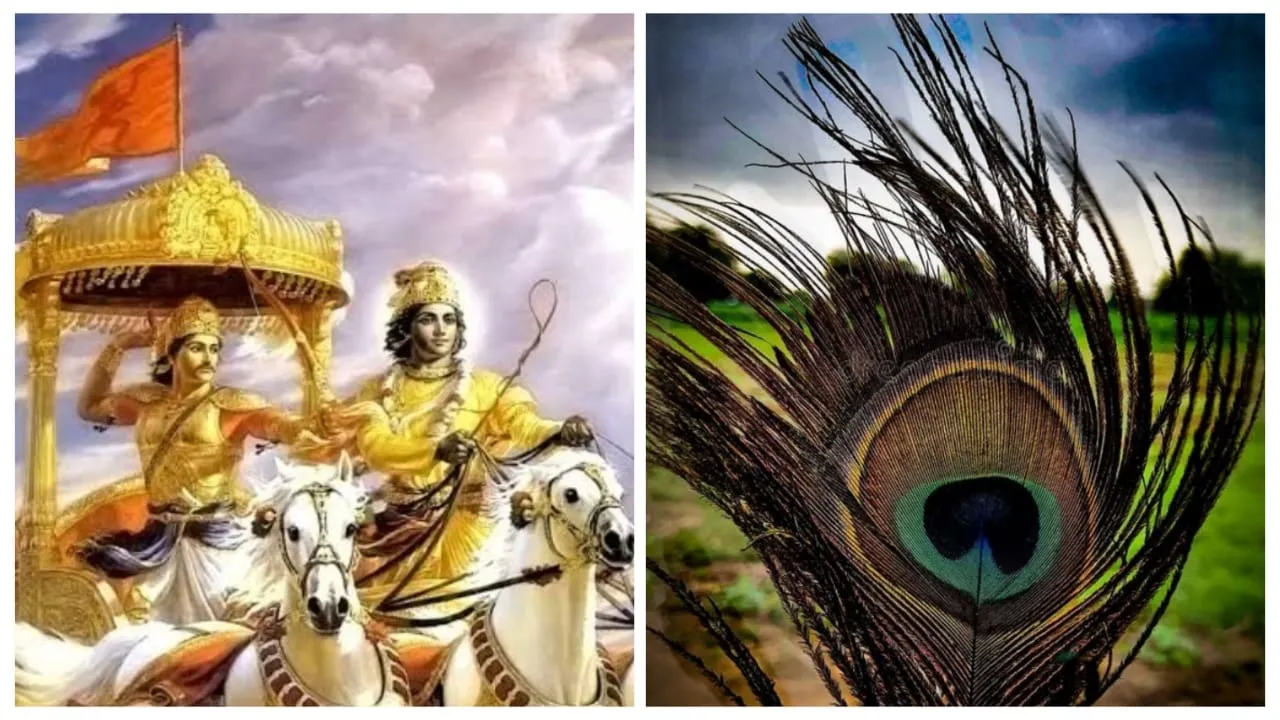
Mokshada Ekadashi also marks the occasion of Gita Jayanti. Devotees believe that reading the entire Bhagavad Gita on this day brings wisdom and spiritual upliftment. If reading all chapters isn’t possible, reciting Chapter 11 is considered highly beneficial.
Feeding Brahmins or donating food at a temple is also believed to grant spiritual merit. Some devotees also offer a copy of the Bhagavad Gita as charity, said to bring knowledge, peace and progress.
Offering mishri mixed with Tulsi leaves to Lord Krishna is another everyday ritual. While doing so, devotees silently remember the teachings of the Gita. Chanting even a single verse from the scripture is considered auspicious.
Peacock Feather Remedies
Many traditional practices involve the use of peacock feathers, symbolising protection and prosperity.
Placing one or three peacock feathers in front of Lord Krishna’s idol in the prayer room and purifying them with water and incense on Ekadashi is said to bring divine blessings.
For those facing financial struggles, placing the feather in the money locker or wealth area after worship is believed to attract the blessings of Goddess Lakshmi and open pathways for prosperity.
Keeping peacock feathers at the home’s main entrance is also believed to remove negativity and bring long-lasting peace and abundance.
Mokshada Ekadashi Puja Vidhi & Parana
Devotees begin the day by waking up early and taking a holy bath. Wearing yellow clothes is considered auspicious as yellow is associated with Lord Vishnu.
During the puja, offerings include yellow flowers, fruits, Tulsi leaves, incense and a ghee lamp. Those observing the fast usually follow a strict routine and consume only fruits or light satvik food.
The fast is broken the next day on Dwadashi, only after feeding Brahmins and offering charity. This marks the completion of the sacred Ekadashi vrat.

