


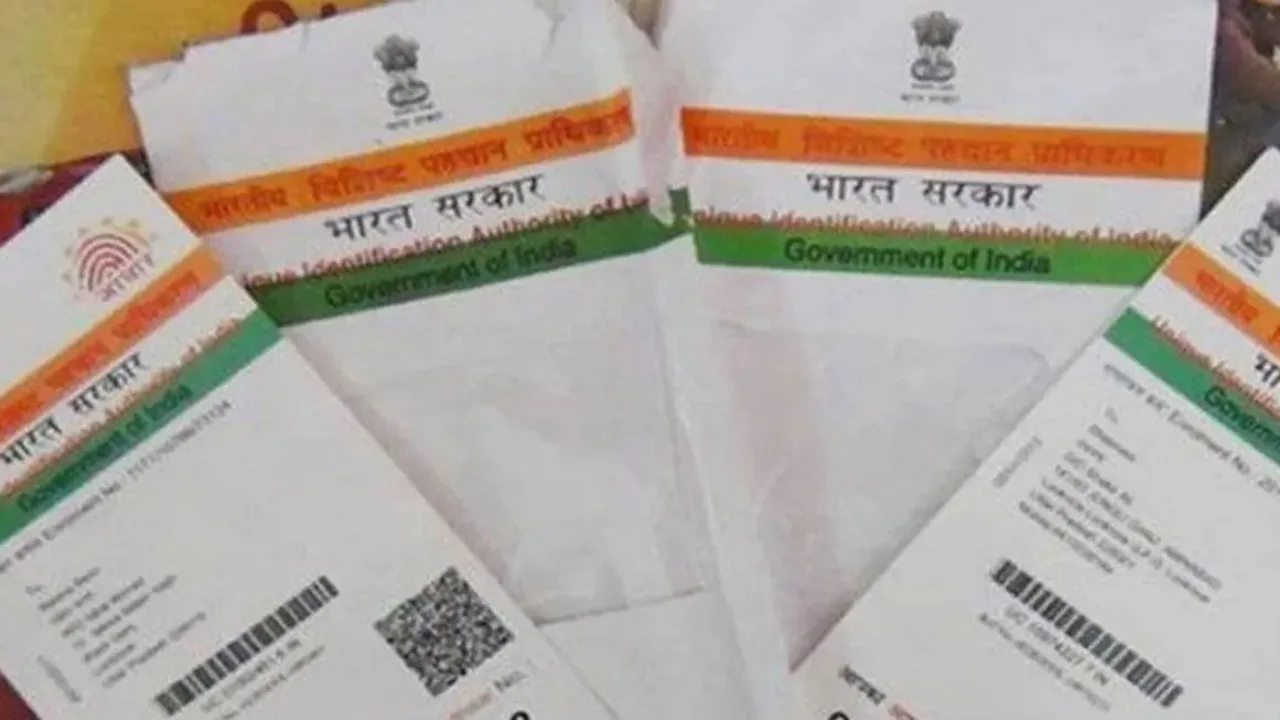
Aadhaar Card: Big news for Aadhaar Card holders. The Delhi High Court has delivered a significant verdict concerning the Aadhaar card. In a case hearing, the court clarified that the Aadhaar card does not serve as proof of date of birth. The High Court ruled that the Aadhaar card is solely valid as proof of identity, not as evidence of date of birth. The court further stated that an employee cannot be retired based on the date of birth mentioned on the Aadhaar card.
Delhi High Court rejects the petition
The case under consideration involved JJ Electronics and its employee, Rozamma Joy. The dispute arose when the company terminated her employment, asserting she was 58 years old according to the 1959 birth year on her Aadhaar card. However, her ESIC records indicated her date of birth as 20 May 1960. The High Court supported the Labour Court’s ruling and dismissed the company’s petition.
Know the Details
JJ Electronics contested the Labour Court’s decision in the Delhi High Court. In an order dated 13 November, Justice Manoj Kumar Ohri rejected the company’s petition, stating that the Aadhaar card is legally accepted as proof of identity but not as conclusive proof of date of birth.
The Delhi High Court also referred to a 2018 directive from the Unique Identification Authority of India (UIDAI), which specifies that the date of birth on Aadhaar can be based either on documents provided by the cardholder or on their self-declaration.
The company must pay the pending salary
During the hearing, the High Court found that Rozamma Joy had not reached the retirement age in 2017. Therefore, the company was not justified in terminating her employment based on a birth year different from that on her Aadhaar card. The court also ruled that the company failed to comply with the necessary provisions of the Industrial Disputes Act when dismissing the employee. As a result, the termination was deemed unlawful, and the Labour Court’s order to pay the outstanding wages was upheld.