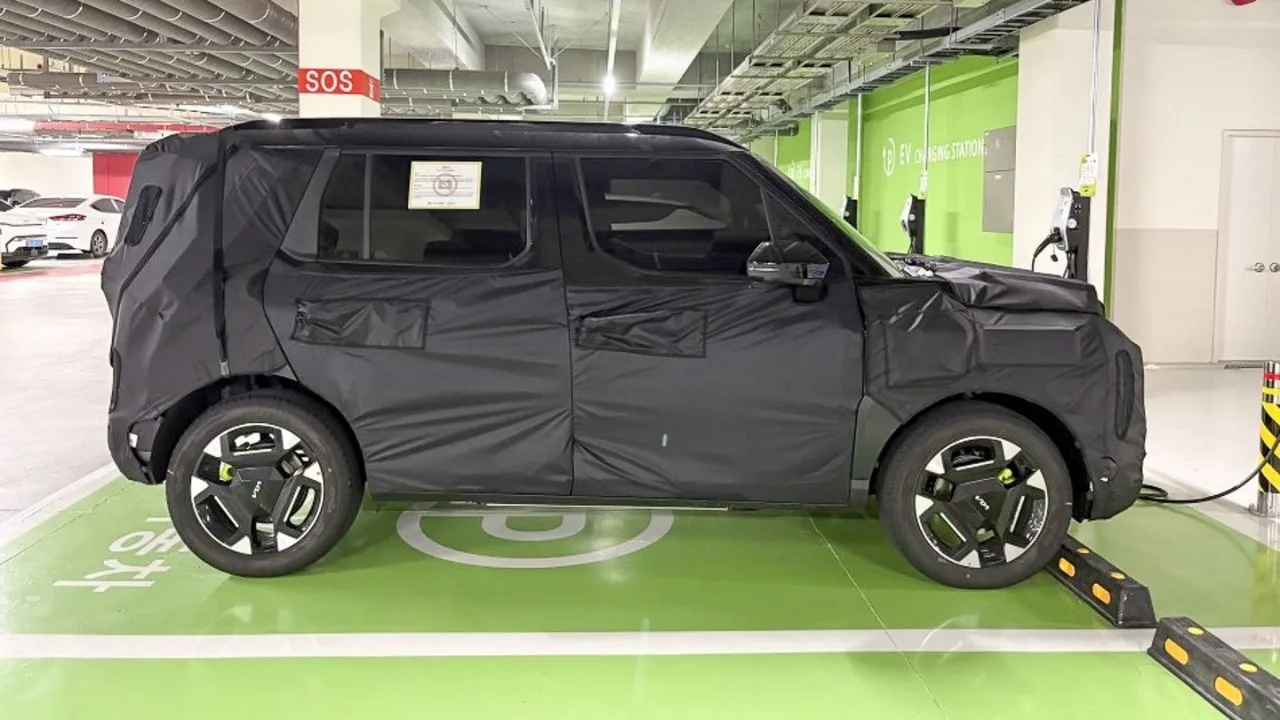
Kia Syros EV 2026 – The competition in the electric SUV segment has become truly intense. Every company is entering the fray with its new EV, and now Kia is about to take a big step forward. The Kia Syros EV was recently spotted testing, and the company is preparing to launch it this year.
The model will be Kia’s fourth electric car in India, after the EV6, EV9 and Carens Clavis EV. That is, the brand is now rapidly strengthening its EV portfolio. So let’s know its details.
Design
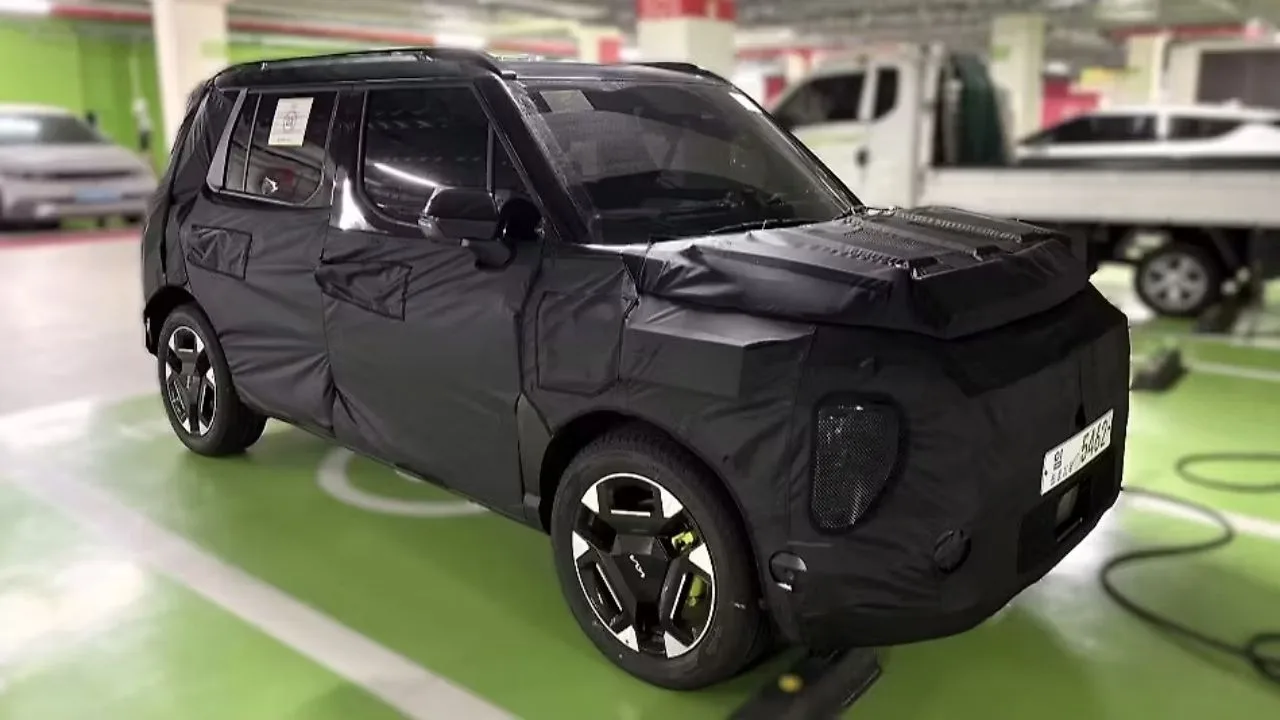
First of all lets talks about its design, at first sight, the silhouette of the SUV looks the same as the Syros, but the EV version will see some special changes. It will get split headlamp setup, but the design of the front grille will be different. While the ICE model has two grill openings, the Syros EV may have the same grill opening at the bottom.
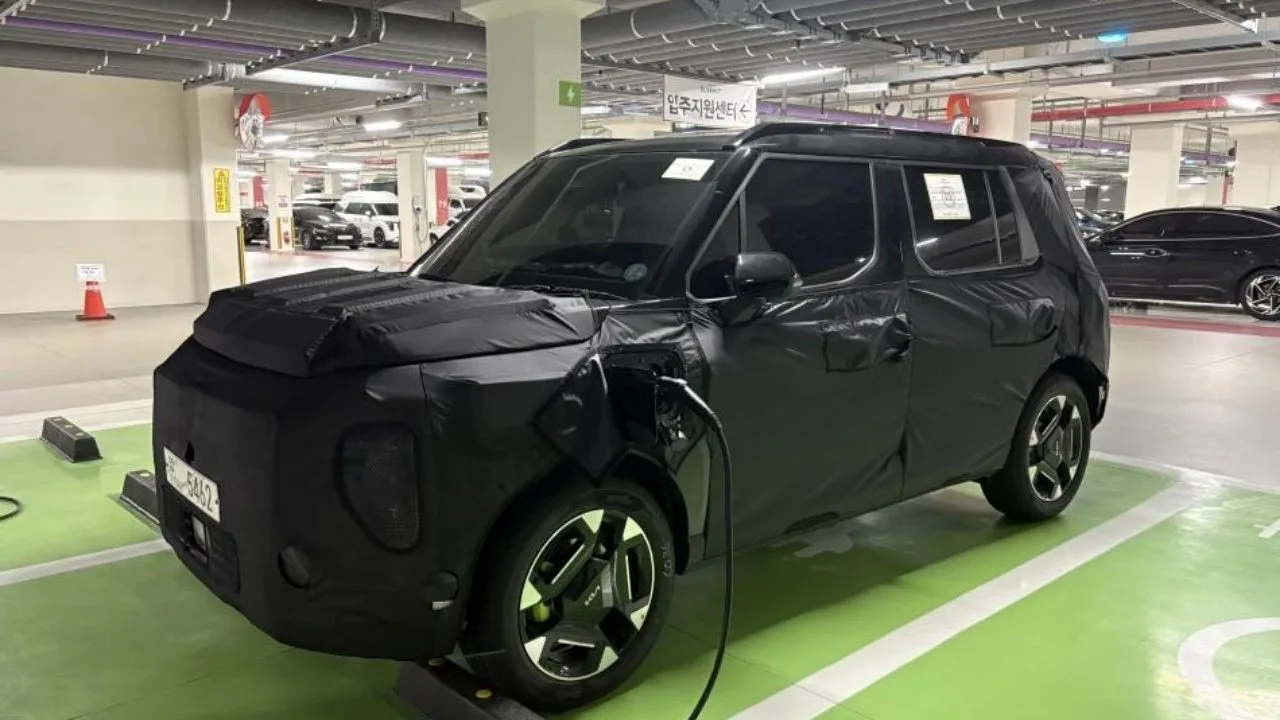
The special thing is that this grill may have active flaps, which will open when needed and remain closed for the rest of the time. This will improve aerodynamic efficiency and also save battery. The 17-inch two-tone alloy wheels will also be found in special designs. Roof rails will be flush-fitted, reducing drag.
Interior
If we talk about Interior, the world inside is going to be special. Syros EV will get a new color theme, which will further strengthen its eco-friendly identity.
Both the instrument cluster and the infotainment system will receive a 12.3-inch HD display. These displays may include EV-special functions such as battery status, range analysis, and energy flow graphics.
Features
Now let’s talk about its features, ventilated front seats, driver side 4-way power adjustment, automatic climate control, sliding and reclining rear seats, 64-color ambient lighting and 8-speaker Harman Kardon sound system.
Syros EV will not lag behind even in terms of security. The 360-degree camera, Level 2 ADAS, dual-camera dashcams and six airbags can be typical of this.
Battery, Range and Power
Kia Syros EV can come in two single-motor front-wheel-drive variants. One will get a small battery pack and the other will have a larger battery pack.
LFP cells will be used in these battery packs, which can be sourced from Exide Energy. Large battery variants can range from 475 to 500 kilometers.
Another interesting feature would be the V2L (Vehicle-to-Load) function. With this, electronic devices outside the car’s battery can be run. This feature can be quite useful in picnics or outdoor trips.
Related Stories
 Business
 Business
 Business
 Hindi News
 Education
 Gadgets
 Hindi News
 Business
 Business
 Gadgets