


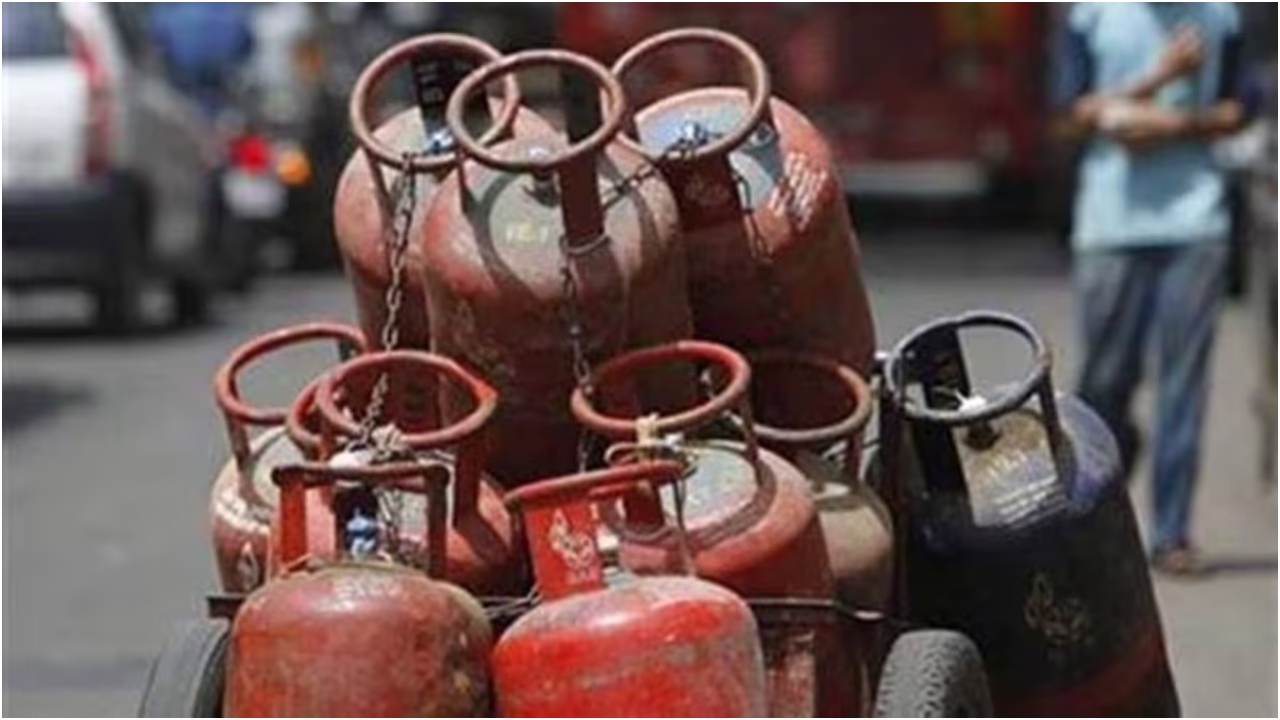
New Delhi: Across India, most families, rich or poor, now prefer cooking with LPG cylinders. The PM Ujjwala Yojana scheme is also in operation, aimed at freeing housewives from the burden of pollution. This scheme has distributed gas connections to a large number of poor families.
It’s important to keep certain things in mind when using a gas cylinder. There are some features on the gas cylinder that are important to know. Do you know why there are small holes at the bottom of the cylinder? When we look at the bottom of the cylinder, we see small holes. Most people overlook these holes. We are going to tell you about the importance of these holes, which will clear up any confusion you might have.
📌 Also Read: Government Amazing Scheme - Invest Just ₹250 Annually, Earn ₹50 Lakh in Interest Alone
Why are LPG cylinders red?
Did you know that red is a symbol of danger? Gas cylinders are also red. This is because LPG is highly flammable, and the red colour serves as a warning of the potential danger. Another reason is that red has a long wavelength, making it easily visible from a distance. This makes it easier to identify.
Why are there holes at the bottom of the cylinder?
The ring at the bottom of domestic gas cylinders has several small holes. These holes are for air circulation and to prevent moisture buildup. Another reason is that they protect against rust. When the cylinder is placed on the floor, rust marks can appear on the floor.
📌 Also Read: PAN Card Security Alert: How to Protect Your PAN from Misuse and Fraudulent Loans?
In such situations, moisture can accumulate. These holes allow for airflow, which helps in drying the moisture. The holes maintain air circulation around the cylinder.
This helps in controlling the temperature and prevents pressure buildup due to heat. Rust weakens the cylinder. In such a situation, the risk of an explosion inside the cylinder increases. These holes help reduce this risk.