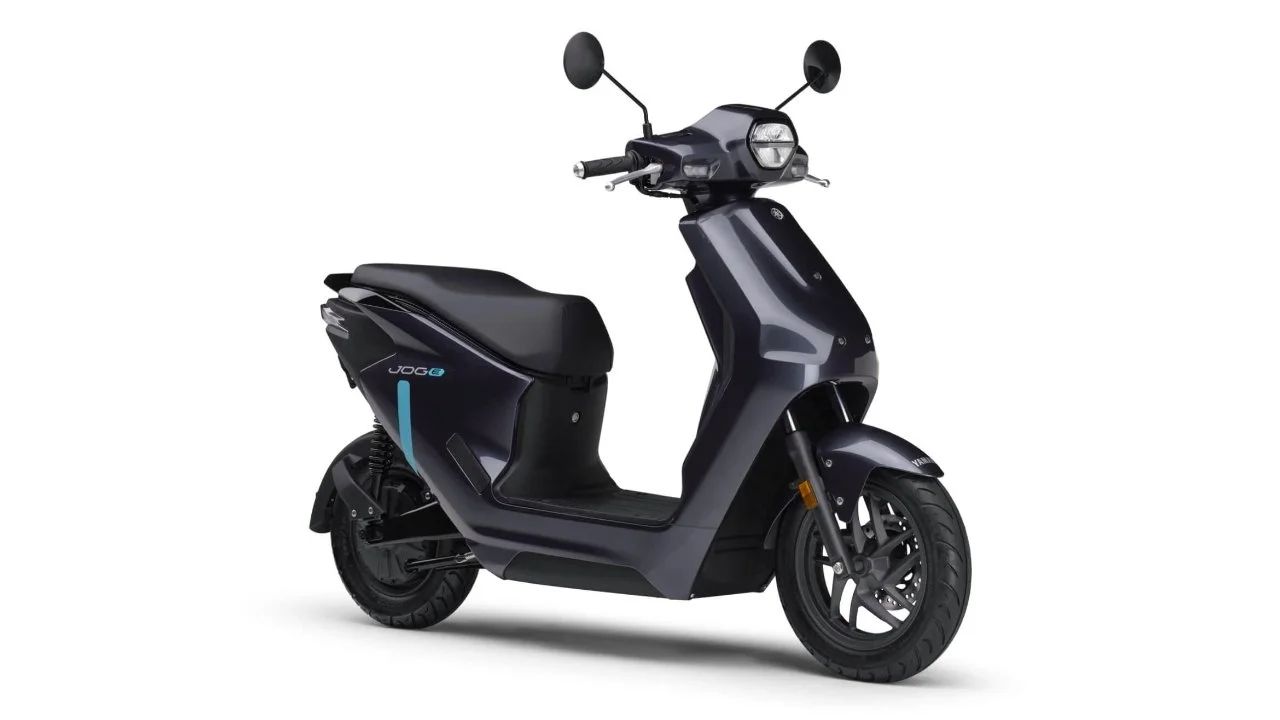
Have you ever wondered how beneficial it would be if scooters from different companies shared the same battery? Yes, friends, this fantasy is now becoming a reality! Yamaha has introduced its new all-electric scooter for the Japanese market, the Yamaha Jog E. This scooter is special for two reasons: first, it replaces the old petrol-powered Jog scooter, which was discontinued due to stricter pollution regulations. And second, the most interesting thing is that the heart of this Yamaha scooter is a Honda battery! Is this the result of a partnership between four major companies? Will it benefit a market like India? Today, let’s bring you every detail about the Yamaha Jog E electric scooter.
Read more: Monday Food Restrictions – Foods You Should Never Eat on Monday for a Calm Mind
Performance and Range
Now you might be wondering how much power this scooter has? So, let’s talk about its heart, the motor, and its brain, the battery. The Yamaha Jog E features an AC synchronous motor that produces 1.7 kW (approximately 2.3 PS) of power and a whopping 90 Nm of torque. This torque is sufficient for accelerating on crowded city streets and climbing slopes. But the most interesting aspect of this scooter is its battery.
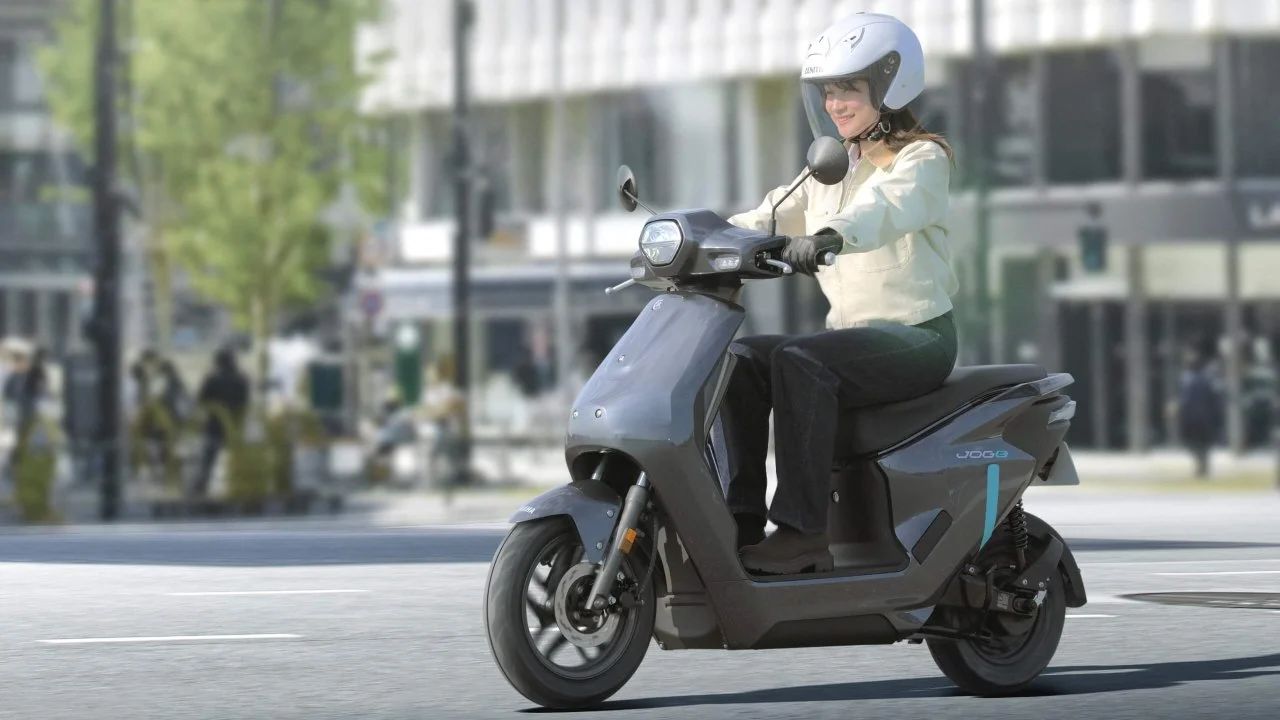
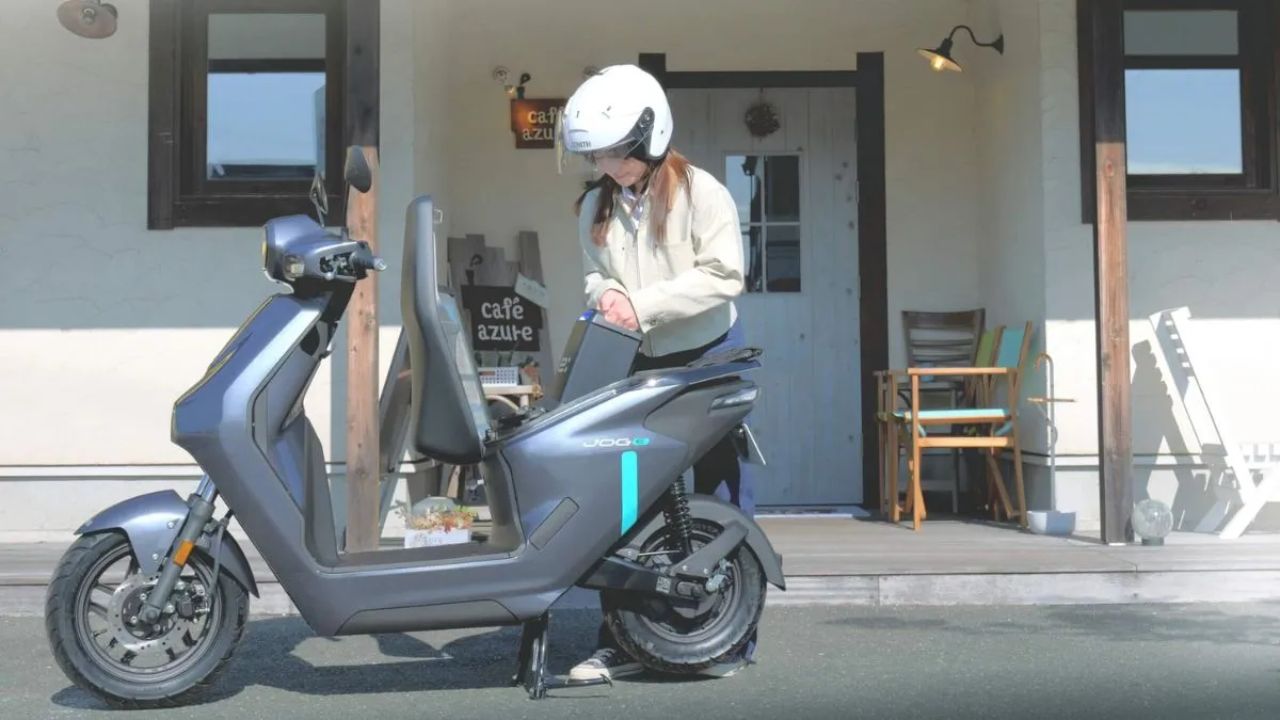
The Yamaha Jog E uses Honda’s “Mobile Power Pack e:.” This is a swappable battery, meaning you can quickly replace it with a charged one when the battery runs out. This battery is the result of a collaboration between Honda, Suzuki, Yamaha, and Kawasaki, where they decided to use a common battery platform. This scooter offers a range of 53 kilometers on a single battery pack, which is good enough for everyday city tasks.
Battery Swapping System
Do you think swapping batteries would be a difficult task? No, Yamaha has made it incredibly easy. In fact, Yamaha will only sell the Jog e-scooter, while battery swapping will be provided by a separate company called Gachaco. This means that when you purchase the scooter, you’ll need to sign a separate contract with Gachaco for the battery. This is similar to purchasing a new mobile phone and then installing a SIM card and recharge plan from a different company. The biggest advantage of this system is that you’ll never have to worry about range. When your battery runs out, you can simply go to the nearest swapping station, replace your empty battery with a charged one, and continue your journey.
Design and Features
Just looking at the Yamaha Jog e, you’ll realize it’s a very practical and stylish scooter. Its design is simple yet elegant. The scooter is available in two colors: Dark Grey Metallic and Light Grey. Its highlight is the all-LED lighting, which includes a polygonal headlamp and a horizontal tail lamp with integrated turn indicators at the corners. It has a flat floorboard, making it easy to store luggage. There’s a handy 500ml front pocket, a USB Type-A charging socket, and a large hook for bags. There’s also ample space under the seat for small items. An inverted LCD screen provides all the necessary information for the driver, and you can choose from three riding modes: Econ, Ready, and Speed.
Specifications and Price
The Yamaha Jog E measures 1,795 mm in length, 680 mm in width, and 1,140 mm in height. Its wheelbase is 1,300 mm and ground clearance is 135 mm. The seat height is 740 mm, which is comfortable for most riders. It weighs 93 kg, including the battery, making it lightweight and easy to maneuver. It rides on 12-inch front and 10-inch rear wheels, shod with 90/90 and 100/90 tire sizes, respectively. Braking is handled by front disc brakes and rear drum brakes, which work in conjunction with a Combi-Brake System (CBS).
Read more: Land Rover Defender Dakar D7X-R: An Unstoppable Warrior Ready for the 2026 Dakar Rally
Suspension duties include telescopic forks at the front and dual rear shock absorbers. The scooter’s starting price in Japan is JPY 159,500 (approximately ₹90,000). However, this price is for the scooter only; the battery is not included. Battery service will be charged separately to Gachaco. Sales will begin in select Japanese cities, including Tokyo and Osaka, on December 25, 2025.