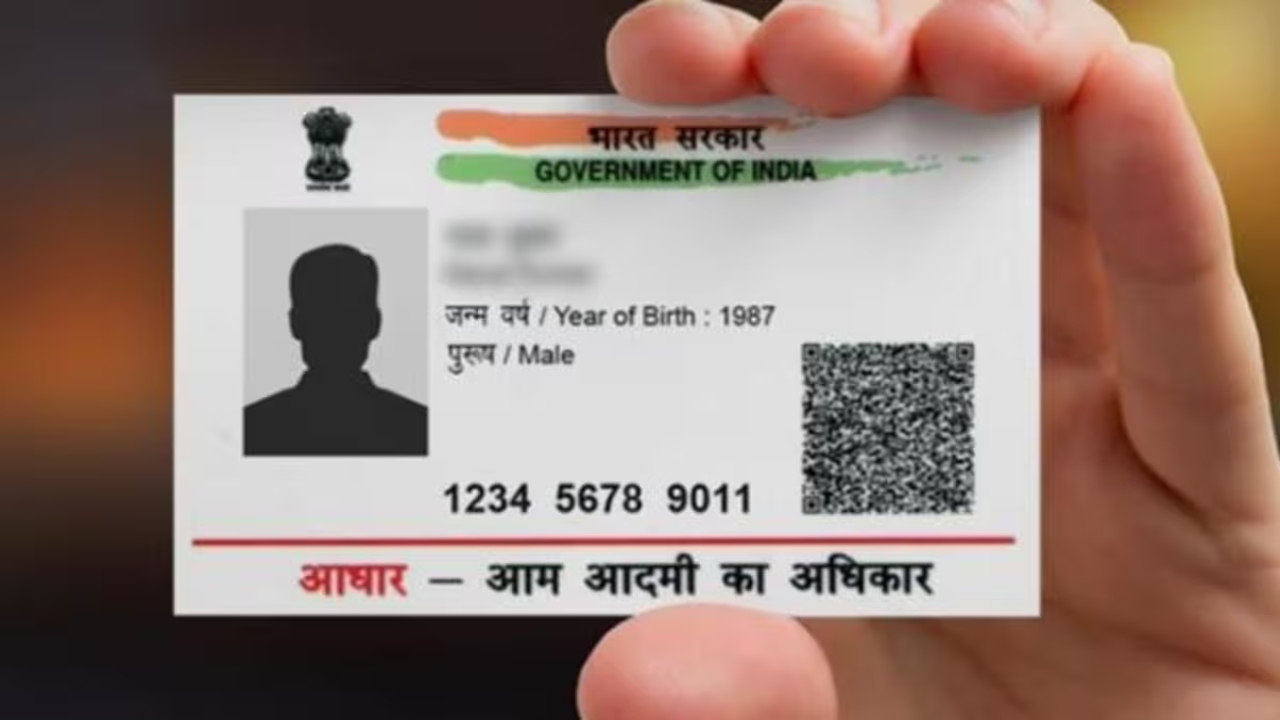
Aadhaar Card: Not deactivating an Aadhaar card after a loved one passes away raises the chances of identity theft and financial fraud. The UIDAI states that an active Aadhaar card can result in the creation of fake bank accounts, pension embezzlement, misuse of subsidies, and keeping fake names on voter lists. Deactivating it on time helps avoid these issues.
Risks and significance of misuse
If the Aadhaar of a deceased person gets into the wrong hands, criminals might take loans in their name or steal government benefits. So far, UIDAI has deactivated over 11.7 million Aadhaar cards of deceased individuals, which is a significant move to prevent misuse. Family members need to stay alert, as delays can lead to major losses. Experts emphasize that this is a vital aspect of digital security.
Easy online deactivation process
– Go to www.myaadhar.uidai.gov.in.
– Click on ‘Report Death of a Family Member’.
– Upload the Aadhaar number, death certificate, and proof of relationship (like a ration card) of the deceased.
– The Aadhaar will be deactivated within 15-30 days after verification.
This feature is currently available in 24 states and will soon be introduced in the remaining areas. If it was deactivated by mistake, reactivation is also an option.
Will I get my old Aadhaar number back?
UIDAI explains that Aadhaar is a unique identification number, so the deceased’s number won’t be assigned to anyone else. The database gets updated, but new numbers are issued to maintain the system’s integrity. Family members should start the process as soon as they have the death certificate. This simple action offers significant security and helps prevent fraud. This initiative by UIDAI is bolstering Digital India.