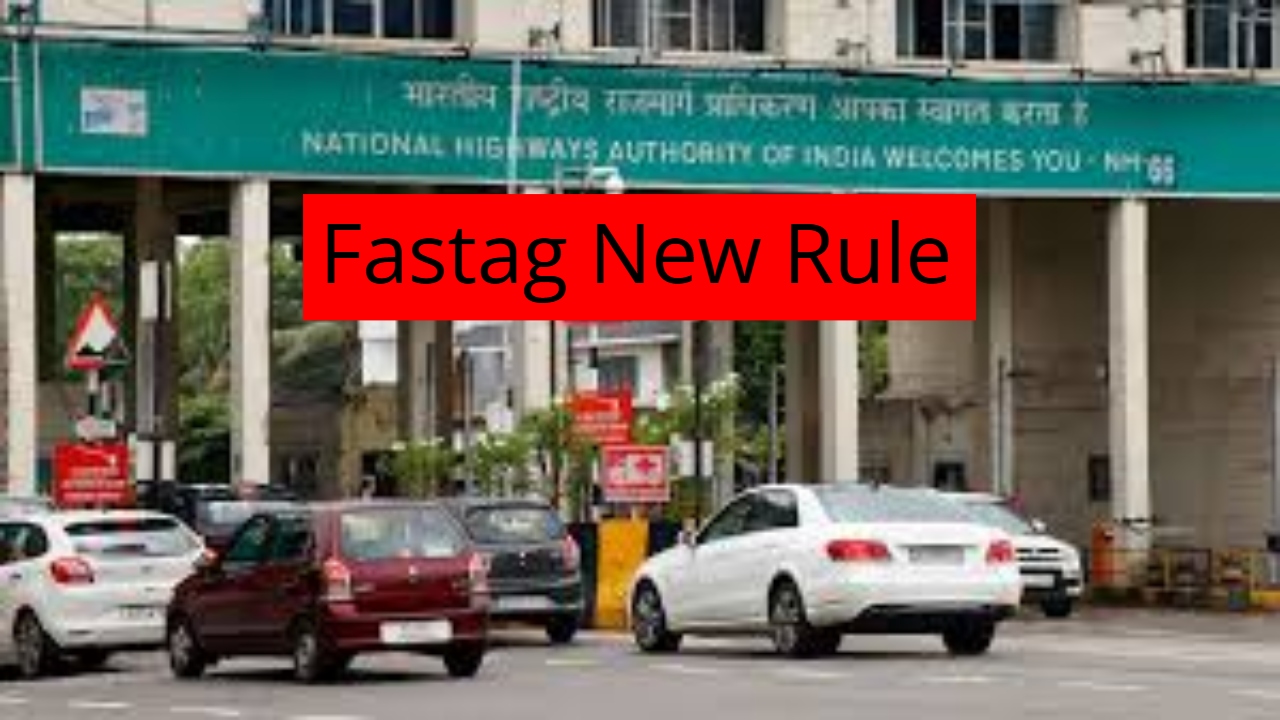
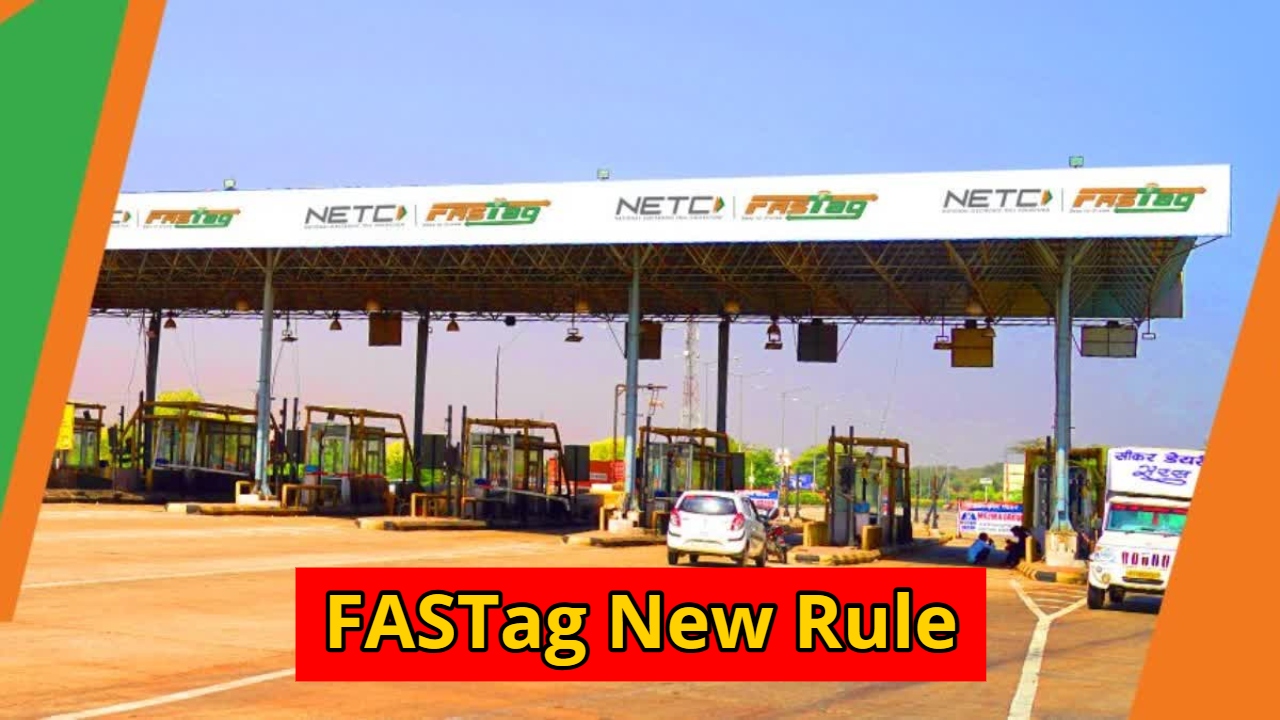
FASTag Update: To reduce long queues on highways and bring transparency to the toll system, the central government has tightened toll payment rules. According to the Ministry of Road Transport’s revised rules, effective November 15th, if a driver enters a FASTag lane but their FASTag fails to be scanned or their vehicle does not have a FASTag installed, the toll rate will no longer be a flat fee as before, but will be charged separately based on the method of payment.
This move is crucial to promote digital payments and reduce congestion at toll plazas. The government claims that this will not only make the toll system faster but will also reduce human error in the entire process.
Double the fee for cash payments, but why relief for digital payments
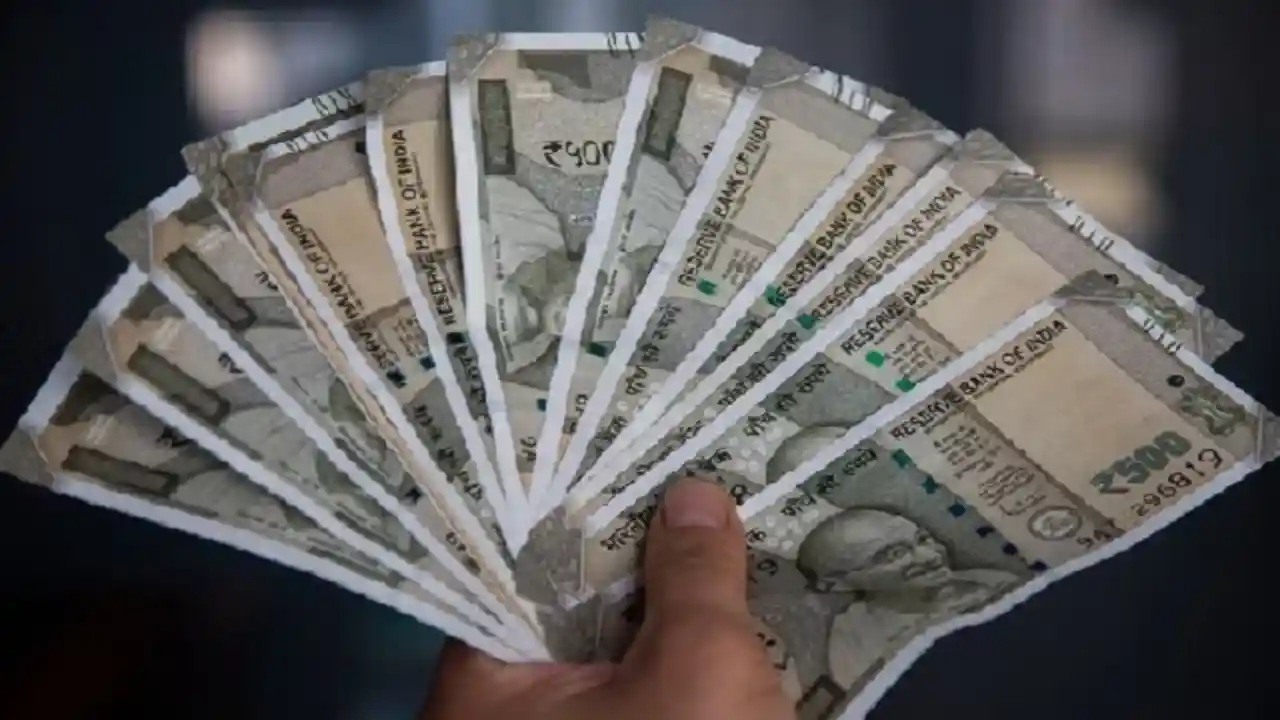
The new toll payment structure encourages drivers to adopt digital methods. According to the rules, if a driver’s FASTag fails and they make a cash payment, they will have to pay double the normal toll.
However, direct relief has been provided to those making digital payments. If the challan is made through UPI or any other digital medium such as a credit/debit card, they will only be charged 1.25 times the normal toll.
Example:
If the normal toll is ₹100, a cash payment will be ₹200 if the FASTag fails, but a UPI/digital payment will be only ₹125. This means that those who adopt digital payments will receive a direct economic benefit.
Freedom from long queues and transparency in the system
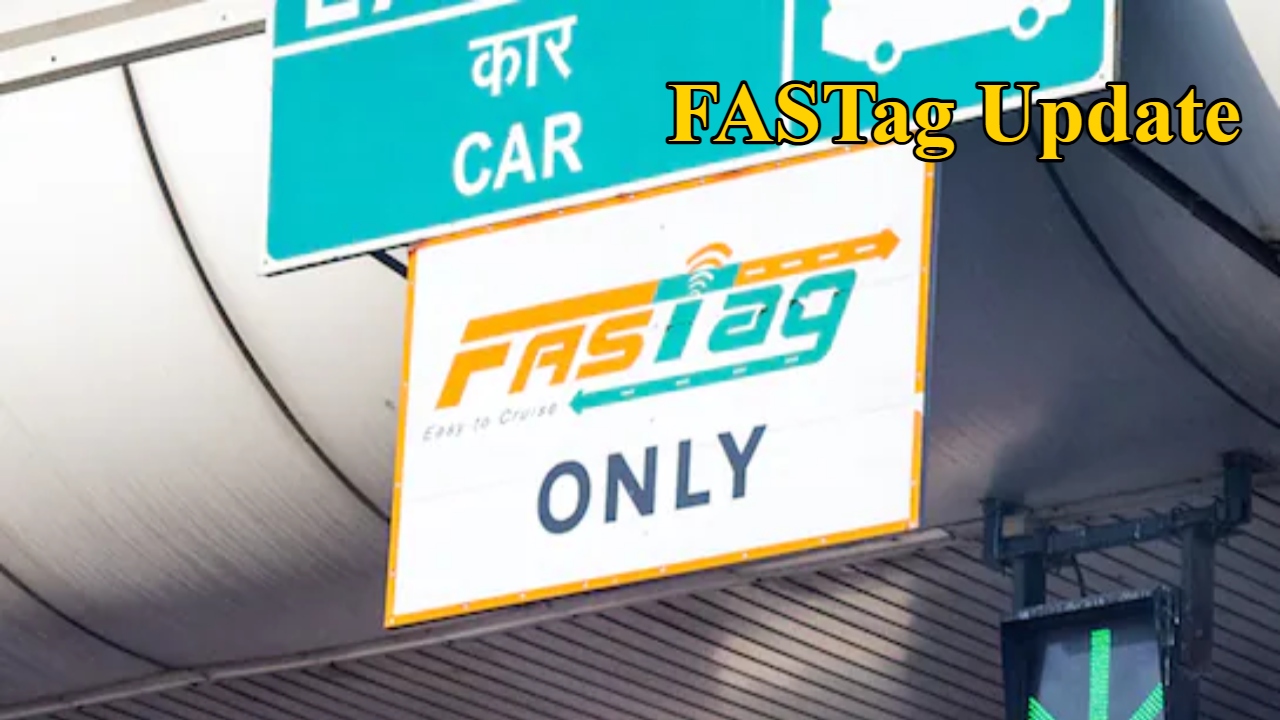
The government believes that this strict but fair rule will eliminate long queues at toll plazas. This will not only increase vehicle speed and save time, but will also make the entire toll collection system more transparent. Reducing cash transactions will also minimize theft and human errors, directly strengthening the Digital India mission.
It’s worth noting that FASTags sometimes fail to scan due to technical glitches, FASTag expiration, or reader problems. Previously, drivers were forced to pay double the toll without any option. However, with the new rule, people can avoid this burden by choosing digital payments and proceed by paying only 1.25 times the toll.