
Providing unprecedented support to the common man, the country’s retail inflation rate fell to just 0.25% in October, the lowest level in the last 10 years. This impressive decline shows that inflation has remained below the Reserve Bank of India’s (RBI) target of 4% for four consecutive months. The sharp decline in food prices and the reduction in GST rates have contributed the most to this historic slowdown. Find out how this extraordinary decline will positively impact your pocket and what decision the RBI may take on interest rates now.
Historic Fall in Inflation
The inflation rate falling to 0.25% in October is an unprecedented financial event. In September, the rate was 0.54%. This is the seventh consecutive month that the inflation rate has remained below the central bank’s upper limit of 6%.
Significant Reduction in Food Prices
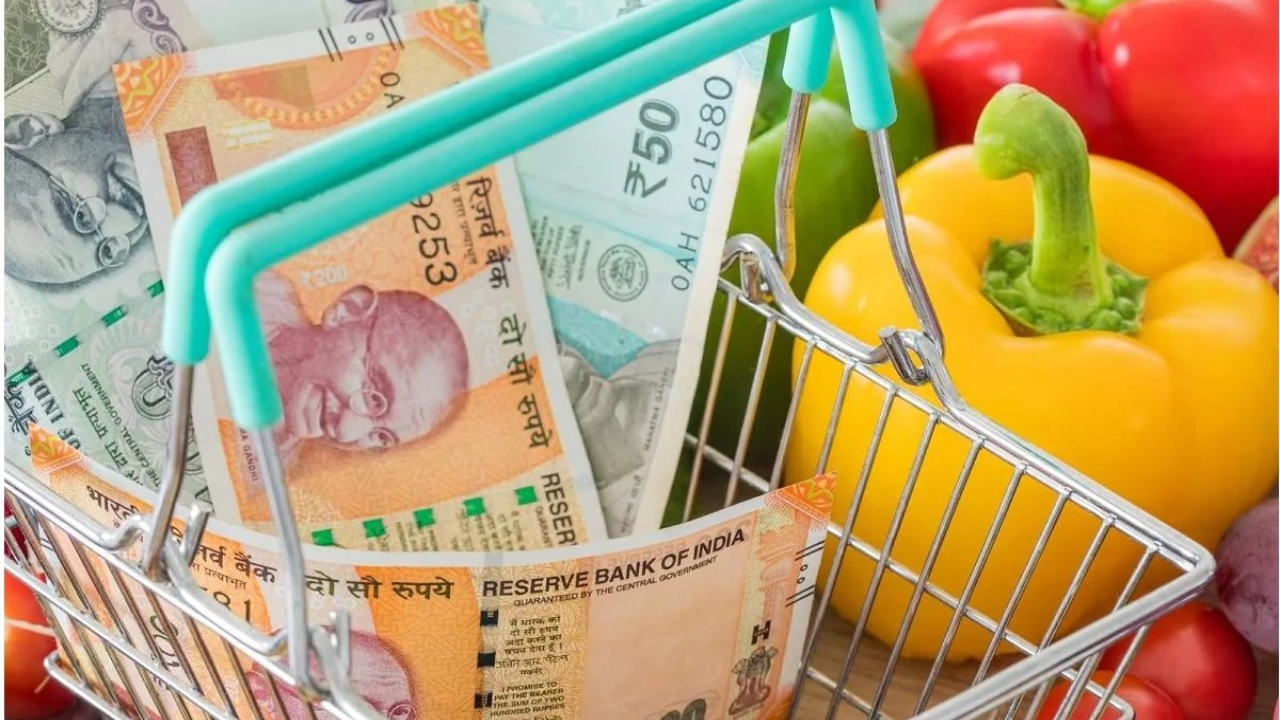
The biggest reason for this extraordinary decline in inflation is the steady decline in food prices. Food items account for nearly half of the Consumer Price Index (CPI), so the decline in their prices has had a direct and significant impact on overall inflation. Vegetable prices have been experiencing double-digit declines for the past six months.
Positive Impact of GST Rate Reduction
Experts believe that the reduction in GST rates has also strongly supported this decline. Tax rates on many essential commodities were reduced in late September, the positive impact of which is now clearly visible in the inflation data.
Strength of the Economy and Expectations of Interest Rate Reduction
It is extremely interesting that despite this significant decline in inflation, the country’s economy remains robust. India’s GDP grew at a robust rate of nearly 8% in the April-June quarter.
This means that prices are not rising despite increased production and expenditure. Due to this favorable situation, it is now expected that the RBI may cut interest rates in the coming months to further boost growth.
RBI’s New Forecast

The Reserve Bank of India stated in its recent meeting that the current situation is conducive to a rate cut, although the bank has kept interest rates stable for now. The RBI estimates that inflation could fall to 2.6% in FY2026, significantly lower than the previous estimate of 3.1%. Quarterly estimates suggest that the rate could reach 1.8% in the second and third quarters, which is unprecedented.
Cautious and Positive Outlook for the Future
The central bank has provided relief regarding inflation, but at the same time, it remains cautious. RBI Governor Sanjay Malhotra has clarified that factors such as geopolitical tensions, trade disruptions, and changes in import duties could influence future inflation trends. However, the sharp decline in food prices and rationalisation of GST rates have turned the overall inflation outlook overall favourable.