The era of “green fuel” has now started in the automobile industry. After petrol and diesel, companies are now increasingly moving towards alternative fuels. Suzuki has taken a major step in this direction.
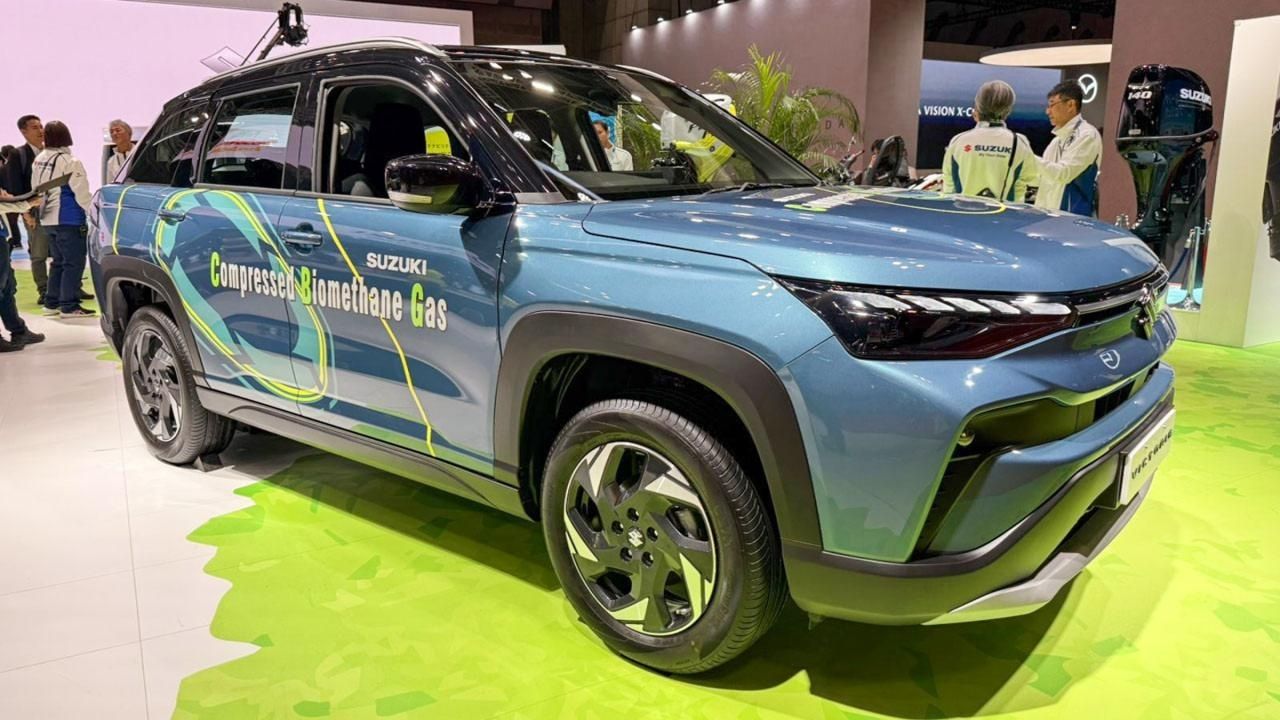
The company has introduced its new SUV Suzuki Victoris CBG (Compressed Biomethane Gas) at Japan Motor Show 2025. This SUV is the first biomethane running car of its kind, which is not only better for the environment, but can also become a new opportunity for the rural areas of India.
Read More – Mahindra BE 6 Base Pack One Variant Arrives in Showrooms – Priced at Just ₹18.9 Lakh
CBG variant’s global debut
Let me tell you that Suzuki Victoris CBG’s global unveiling took place in Japan Motor Show 2025. The model is based on the CNG version of Victoria, but is specifically tuned to run on Compressed Biomethane Gas (CBG). Suzuki reported that the technology is the result of their biogas project running since 2022, developed in conjunction with India’s dairy cooperative sector.
Design
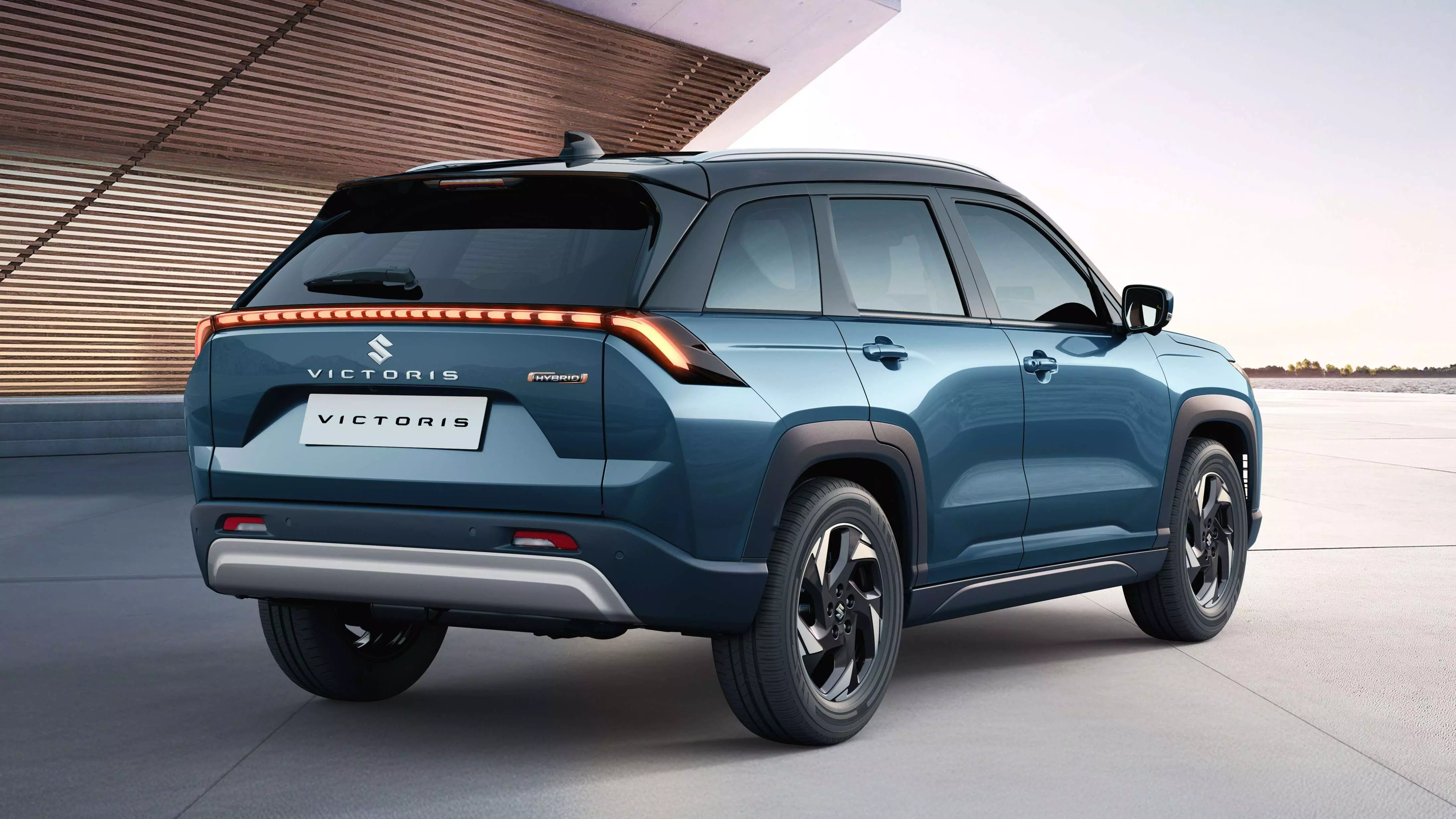
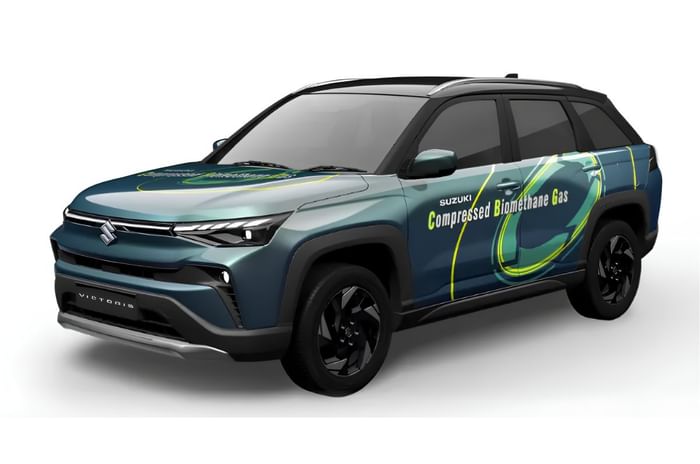
Talking about of design, Suzuki Victoris CBG has a length of 4,360 mm, width 1,795 mm and height 1,655 mm. The SUV features stylish vinyls and raps of “Suzuki Compressed Biomethane Gas ”, which give it a distinct identity from the rest of the models.
Its maximum design is the same as the Victoris CNG version, which has a special nozzle in the fuel filler area so that CBG can be easily filled. Its CNG tank is placed under the boot area, leaving enough space for passengers.
Difference between CNG and CBG
Let me tell you that CNG (Compressed Natural Gas) is a fossil fuel, which is made naturally in millions of years. It has limited resources and is likely to end.
Read More – Get a credit card without a bank account, learn the complete process
At the same time, CBG (Compressed Biomethane Gas) is a renewable fuel, which can be made in just a few weeks from organic waste, dairy waste and crop residues. Meaning, this is a great example of sustainable energy.