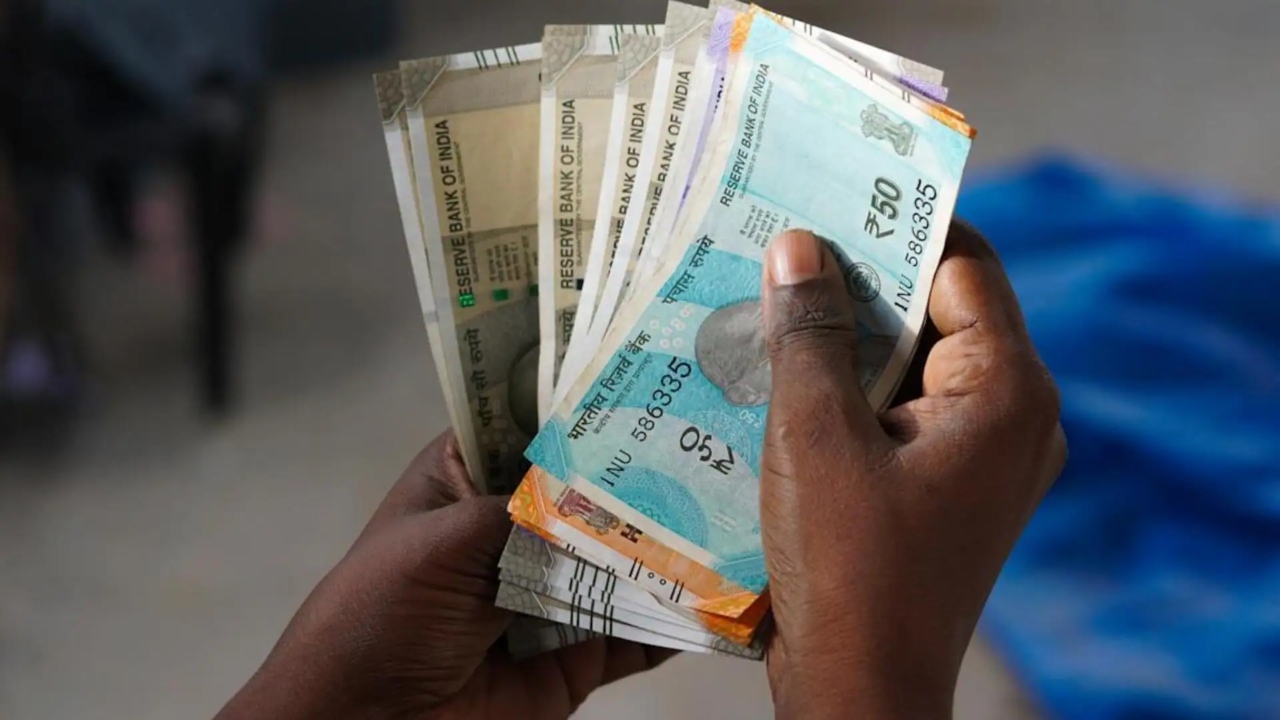
Emergency Money: Sometimes, life throws up situations where you suddenly need money. Whether it’s a medical emergency, a payment due date approaching, or an unexpected expense, people are often confused. There are several financial options available to provide relief in this situation, including personal loans, bank overdrafts, and credit cards. However, each of these options has its own set of terms and benefits.
Read Here:Mahindra XUV700 and Scorpio-N Facelift 2026: Launching soon with new design and features.
A Personal Loan is a Reliable Option
When someone needs a large lump sum, a personal loan is the best option. This option can be used for marriage, education, home purchase, or a serious medical condition. Before approving a personal loan, the bank examines your CIBIL score, income, and financial situation. The loan is then approved at a fixed interest rate. The borrowed amount is repaid in installments (EMIs). If you are employed, the EMI is determined based on your salary, which reduces the burden on your financial planning.
The Great Convenience of Bank Overdrafts
Banks offer bank overdrafts to their trusted customers. Under this facility, customers can withdraw more than the balance in their account. For example, if you have ₹50,000 in your account and the bank has granted you an overdraft limit of ₹20,000, you can withdraw a total of ₹70,000. The bank charges interest on this, but this option is ideal for those who need money for a short period of time and can repay the amount within a stipulated time.
Instant Solutions with Credit Cards
Credit cards have become a convenient financial tool in modern times. They allow you to purchase goods immediately and pay later. Each card has a fixed limit within which you can spend. If you have a regular income and can repay your card balance on time each month, this option can be quite beneficial. But if your income is unstable, using it can prove risky, as late payments attract both interest and penalties.