


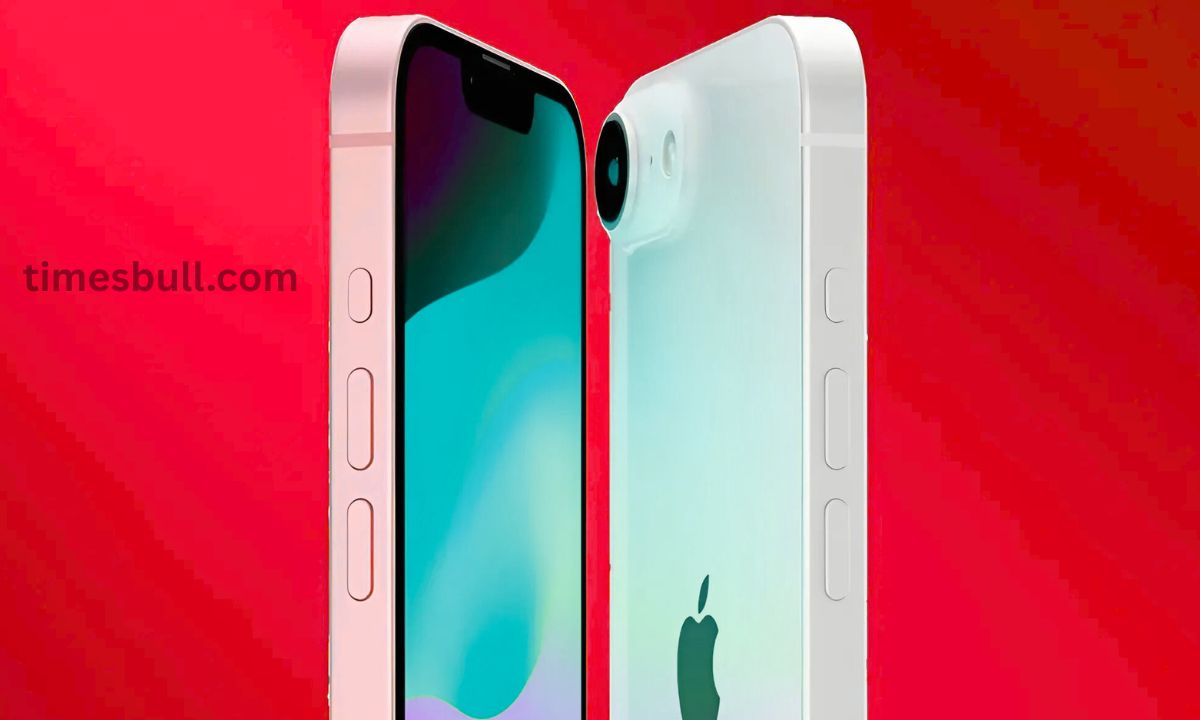
The comparison between the rumored Samsung Galaxy A96 5G and the released Apple iPhone SE 4 highlights the different approaches of the two companies in the mid-range smartphone market.
iPhone SE 4 vs. Samsung Galaxy A96 5G: A comparison (based on rumors and speculation)
Performance and processor
iPhone SE 4: Apple emphasizes raw power and performance, equipping the SE 4 with the A18 Bionic chip, the same processor as the flagship iPhone 16 series. This translates to top-tier speed for tasks like gaming, multitasking, and demanding applications. The iPhone SE 4 also boasts 8GB of RAM, further contributing to its smooth and responsive user experience.
Samsung Galaxy A96 5G (rumored): Samsung often prioritizes a balance of features and affordability in its A-series. The rumored Snapdragon 695 5G processor in the Galaxy A96 5G is a capable mid-range chip, but it won’t match the raw performance of the A18 Bionic. The Galaxy A96 5G is expected to include 8GB of RAM.
Software and user experience
iPhone SE 4: The iPhone SE 4 runs on iOS 18, offering a seamless and intuitive user experience. iOS is known for its strong security features, regular software updates, and a vast app ecosystem. It also integrates with Apple’s services and other Apple devices, providing a cohesive ecosystem for users.
Samsung Galaxy A96 5G (rumored): The Galaxy A96 5G would run on Android with Samsung’s One UI skin. This provides a highly customizable experience with a wealth of features. Android’s open-source nature offers flexibility and a broad range of apps, but the update schedule might not be as consistent as iOS.
Design and display
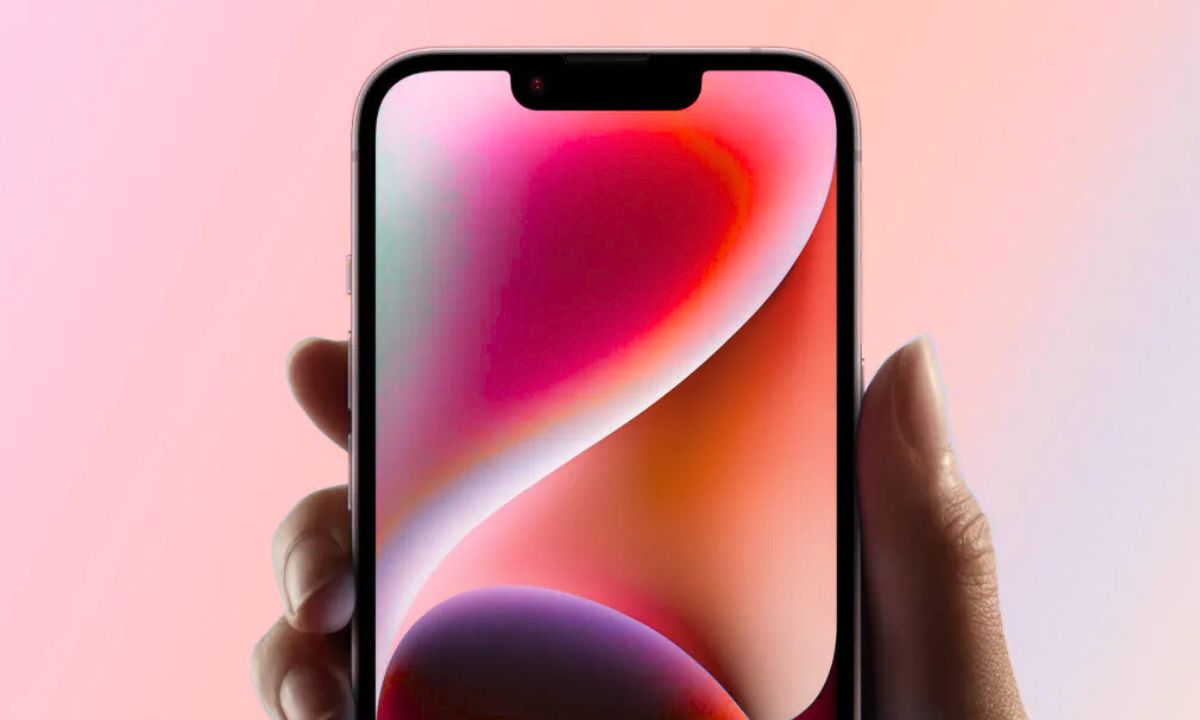
iPhone SE 4: The iPhone SE 4 adopts a modern design similar to the iPhone 14, featuring a 6.1-inch OLED display with a notch and Face ID. While an improvement over previous SE models, the 60Hz refresh rate might feel less smooth than the higher refresh rates found on some Android phones.
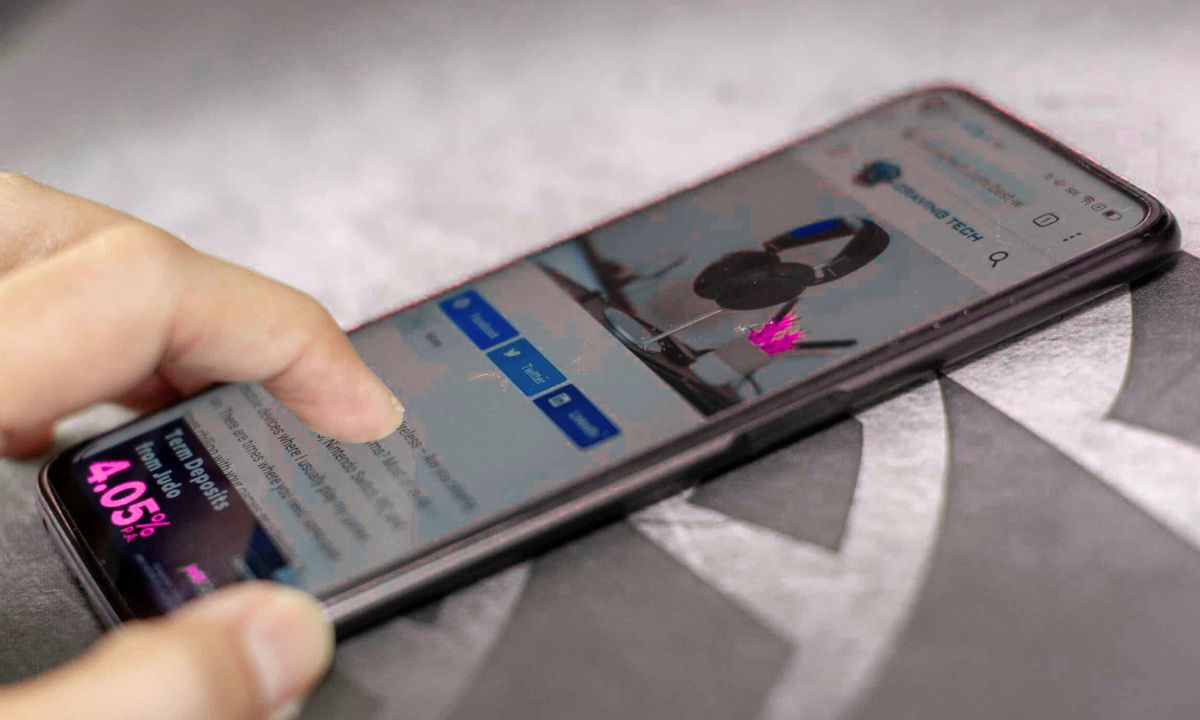
Samsung Galaxy A96 5G (rumored): Rumors suggest a larger display, perhaps around 6.43 inches, with a punch-hole design instead of a notch. It’s expected to feature a 90Hz refresh rate, offering a smoother visual experience compared to the iPhone SE 4.
Camera and battery
iPhone SE 4: The iPhone SE 4 features a single 48MP main camera with OIS, offering excellent image quality and advanced computational photography capabilities. The 12MP front camera supports Face ID for secure authentication. It houses a 3,279mAh battery supporting 20W USB-PD wired charging and 15W MagSafe and Qi2 wireless charging.
Samsung Galaxy A96 5G (rumored): The Galaxy A96 5G is expected to have a 48MP main camera and may include additional lenses like an ultrawide and a depth sensor. It’s rumored to have a larger 5000 mAh battery with 33W fast charging.
Other considerations
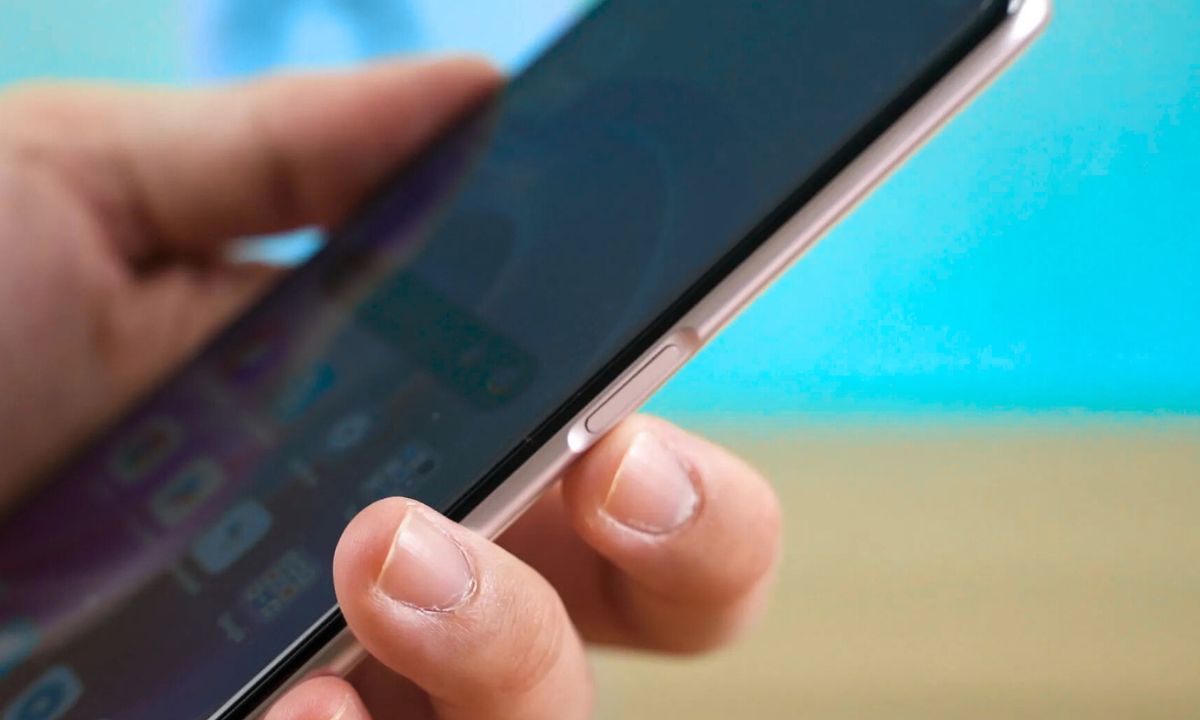
iPhone SE 4: The iPhone SE 4 includes a customizable Action button and features like Emergency SOS via satellite and crash detection. It features a USB-C port, in line with Apple’s latest devices.
Samsung Galaxy A96 5G (rumored): The Galaxy A96 5G will offer expandable storage via microSD card, a feature not available on the iPhone SE 4.
Conclusion
The iPhone SE 4 caters to users prioritizing flagship-level performance and the iOS ecosystem, even if it means compromising on features like a high refresh rate display or a multi-lens camera system. The Galaxy A96 5G, on the other hand, is likely to appeal to those seeking a larger display, higher refresh rate, and potentially longer battery life, at a potentially more affordable price point. The choice between the two will depend heavily on individual needs and preferences regarding operating system, performance, camera features, and design aesthetics.