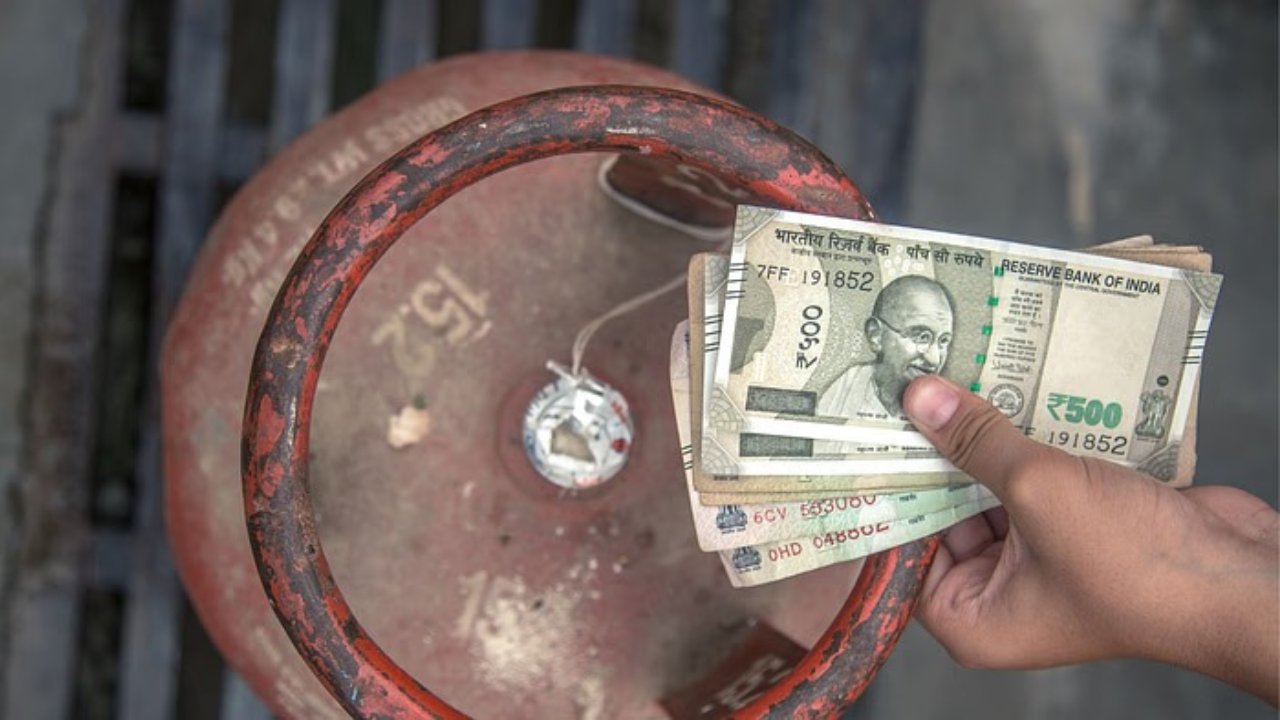


Most people face the same problem every month: their salary disappears gradually as soon as it hits their account, and by the end of the month, they have no idea where the money went. Every day, bills, EMIs, rent, shopping, eating out, and many small expenses combine to eat up their entire income. If you also feel that your income is decent, yet you can’t save, the problem isn’t with your income, but with your financial habits. The good news is that if you take the right steps as soon as you receive your salary, you can save 15,000 to 20,000 rupees every month without any additional income.
Read More- KYC Online – Update Your KYC Online From Home – Know The Easy Process
Save first, as soon as you get your salary
Most people think about saving at the end of the month, but the reality is that hardly anything is left by then. Therefore, the most effective way is to transfer a fixed portion of your salary directly into savings as soon as you receive it. Typically, 20 to 30 percent of your income can be transferred to an SIP, RD, or savings account. For example, if your salary is 50,000 rupees, setting aside at least 10,000 rupees at the beginning keeps this money out of sight, and gradually, these small savings build up into a large fund.
Pay EMIs and essential bills at the beginning of the month
Essential expenses like rent, home loan EMIs, personal loan EMIs, electricity and water bills, children’s school fees, and mobile recharges cannot be avoided under any circumstances. Paying them on time offers two advantages. First, it provides peace of mind because the necessary responsibilities are fulfilled, and second, it saves you from late payment fees. When the major expenses are taken care of at the beginning of the month, you have better control over your spending for the rest of the month.
Plan your monthly household budget in advance
Often, small expenses cause the most damage to the budget. Vegetables, milk, petrol, cabs, online orders, and impulse purchases add up to a significant expense. Therefore, it’s beneficial to estimate your household expenses for the entire month as soon as you receive your salary. Setting aside a fixed amount for groceries, travel, and essential items will help you avoid unnecessary expenses and prevent running out of money by the end of the month.
Spend wisely by dividing your expenses into three categories
Money is saved only when expenses are controlled. For this, it’s wise to divide your entire income into three parts: Needs (such as rent, food, EMIs, and travel); Wants (such as eating out, traveling, movies, and shopping); and Savings (which include schemes like SIPs, RDs, or FDs). If you reduce your spending on wants by just 5,000 to 7,000 rupees every month, you can save an additional 70,000 to 80,000 rupees in a year.
Make the first week of the month a “no-spend” week
Most people spend the most at the beginning of the month because that’s when they have money in their accounts. If you spend only on essential expenses during the first 7 days and avoid eating out, online shopping, or entertainment expenses, you can easily save 2,000 to 5,000 rupees. This method proves extremely effective in curbing unnecessary expenses.
How to save 15,000 to 20,000 rupees every month
If the above five habits are followed consistently, saving a reasonable amount every month becomes easy. Investing a fixed amount, such as 10,000 rupees, in an SIP or RD, cutting down on non-essential expenses, adopting a “no-spend” week, and paying bills on time (which also saves on late fees) can lead to significant savings. Small changes create big savings every month, and within a few months, a clear improvement in your financial stability will be visible.
Read More- Apply For A Passport From Home, Know The Step-By-Step Process
The right decisions can quickly strengthen your financial position
Saving money every month is not difficult; you just need to take a few smart steps as soon as you receive your salary. Prioritizing savings, controlling expenses, and avoiding unnecessary spending will strengthen your financial position. If you adopt these five rules starting today, your money management life can improve significantly within a few months.