


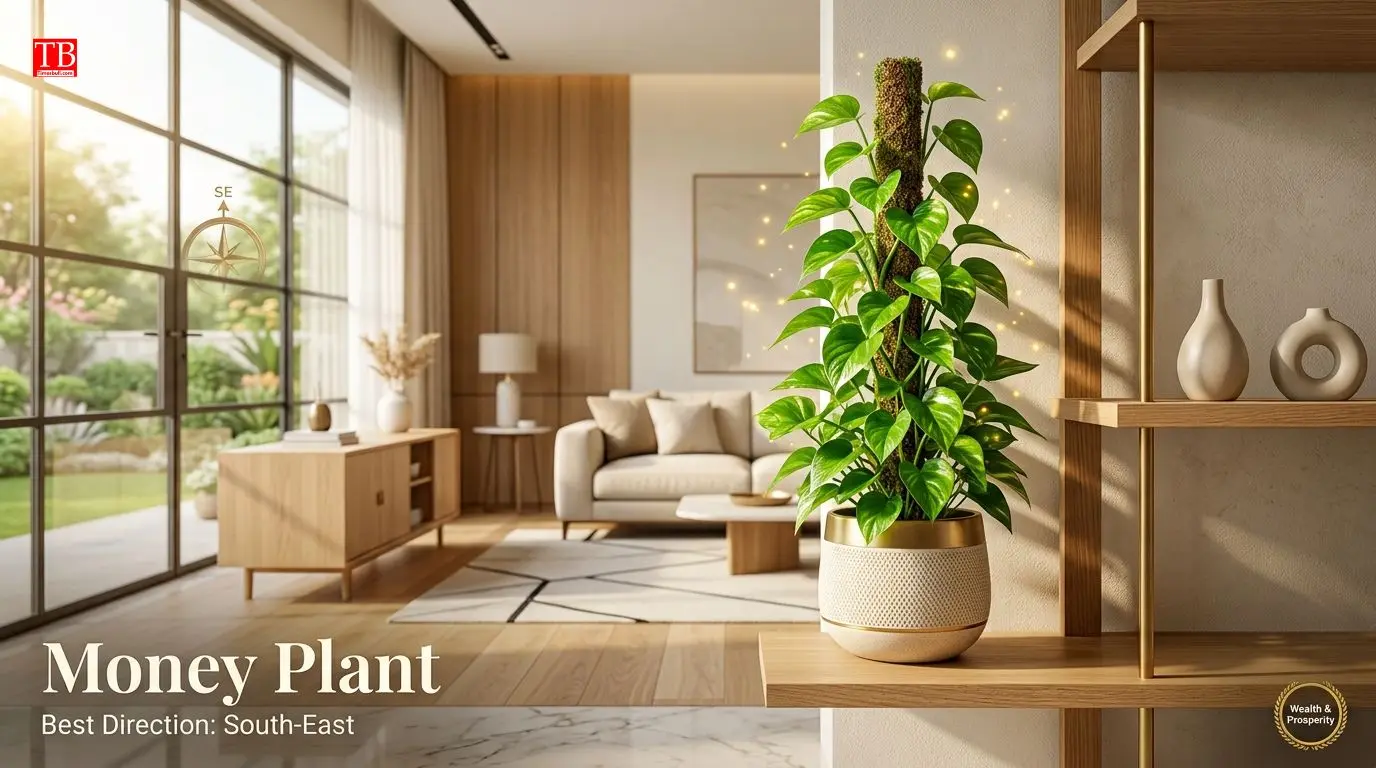
The Money Plant: Place it in the direction of Lord Ganesha, not in the north-east
As soon as we hear the name of the money plant, we often start thinking that by installing it anywhere in the house, money will start coming. But, if Vastu Shastra is to be believed, there is also a special direction to install a money plant at home.
This plant should always be planted in the south-east direction of the house. The deity of this direction is considered to be Lord Ganesha, who removes obstacles. The money plant should never be placed in the north-east direction, as it can lead to loss of money.
Apart from this, you should also take care that the vines of the money plant are never scattered on the ground, help them to climb upwards with the help of a rope or stick. According to Vastu, the upward movement of vines is a symbol of prosperity and progress.
Many people put it in the bedroom, but the active energy of the money plant can disrupt sleep, so it's better to put it in the living room or kitchen.
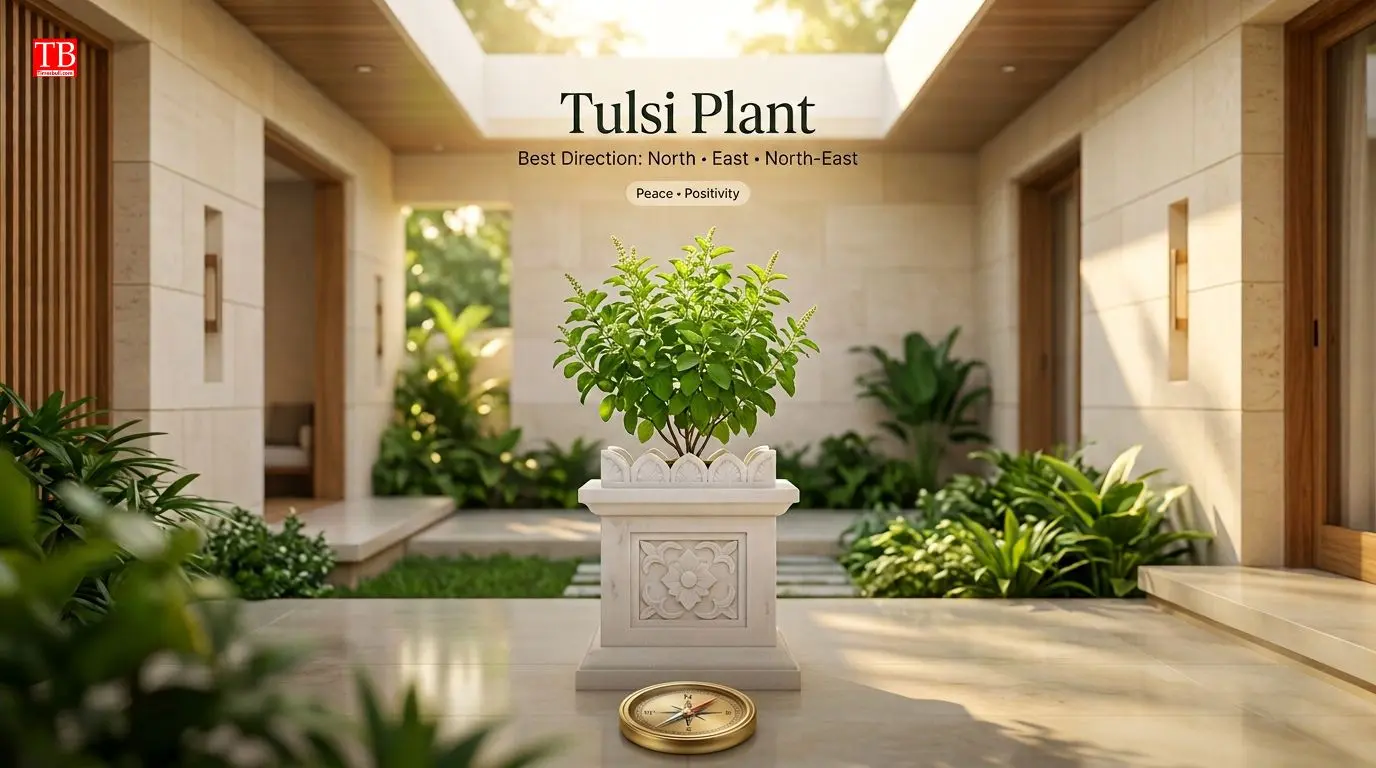
The Tulsi plant: This is the most auspicious direction for holy basil
Tulsi has been considered the most sacred and revered in Hinduism and you can find a Tulsi plant in the courtyard of almost every house. According to Vastu Shastra, the Tulsi plant should always be planted in the north, east or north-east direction of the house.
These directions are considered to be the directions of the gods. The north-east direction (north-east angle) is considered to be the most favorable for Tulsi because it gets a lot of sunlight and is related to the water element, which increases the energy of Tulsi.
Apart from this, do not keep the Tulsi plant in the south direction, as it can increase the unrest in the house. The south-west direction is also forbidden for Tulsi as it is related to Rahu and Earth element, which does not match with the water element energy of Tulsi.
Apart from this, on Sunday, Ekadashi and the day of solar or lunar eclipse, the leaves of Tulsi should not be broken and you should not offer water to it. Remember, never plant the basil directly on the ground, but on a raised platform.
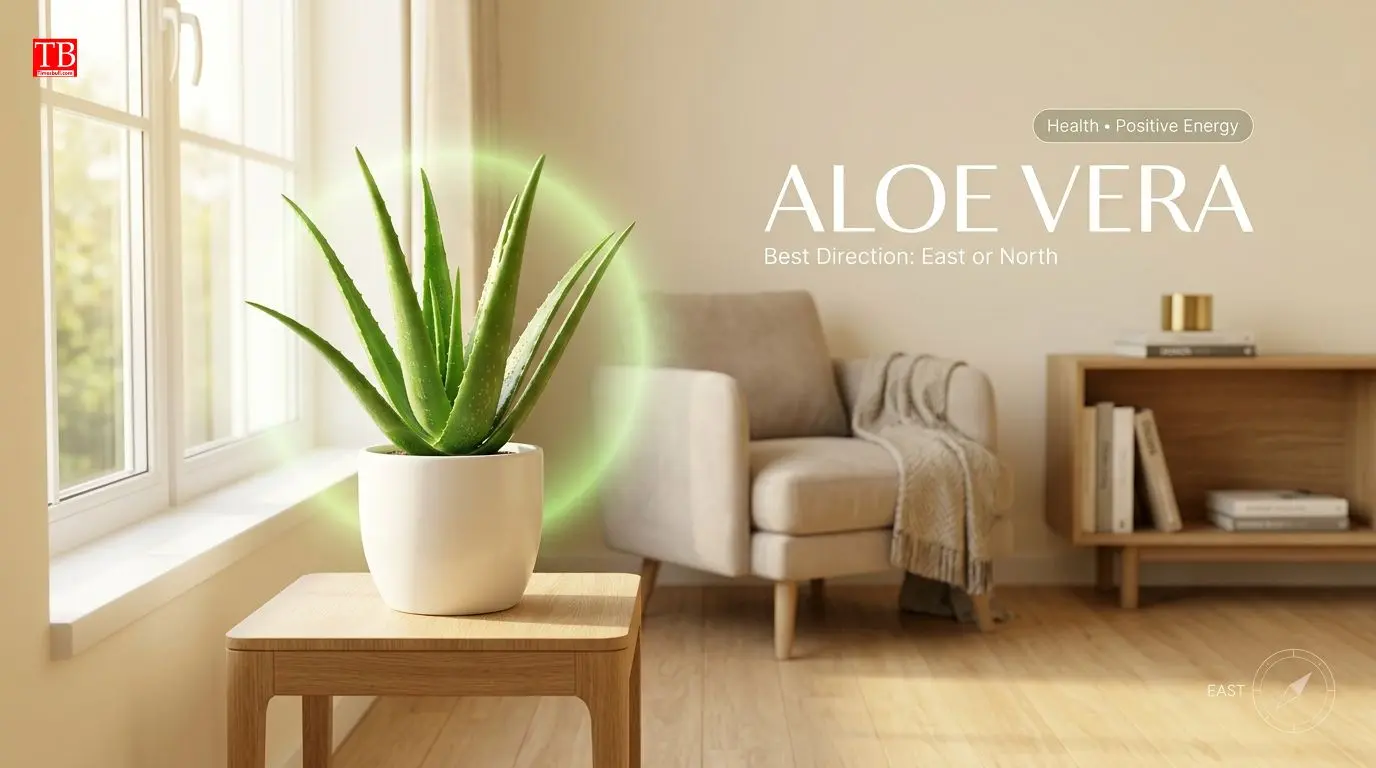
The Aloe Vera: Keep it in the right direction for health and happiness
Aloe vera plant is considered very beneficial for health and skin, due to which most people have started planting it in their homes nowadays. In Vastu Shastra, Aloe Vera is also considered a symbol of progress and happiness and peace. But it's important to put it in the right place.
According to Vastu Shastra rules, the aloe vera plant should always be kept in the north or east direction of the house. This will remove the obstacles coming in the work of the people of the house.
Be careful not to let the aloe vera plant dry out completely. If it starts drying up or turns yellow, remove it and plant a new plant. According to Vastu, a withered or dried plant attracts negative energy.
Aloe vera is not only kept for beauty and health, but also because it infuses positive energy in the house and protects from the evil eye.

The Shami Plant: This is the right place for Shani Dosha Nidhi
According to the belief, the plant of Shami is very dear to Lord Shiva and Shanidev. It is believed that by planting a Shami plant in the house, Shani Dosh is reduced and progress is brought in the house.
According to Vastu Shastra, the Shami plant should be planted on the left side of the main door of the house, so that when you leave the house, it falls on your right hand side. If you are installing it on the roof, the south direction is the best.
Apart from this, you should always keep the surroundings of this Shami plant clean and light a lamp near it every evening.
Doing this will remove all such problems. Shami's plant absorbs negative energy and provides a protective shield to the house. Let us tell you, Shami and Tulsi should not be kept together, although it is auspicious to keep them in separate pots in the house.
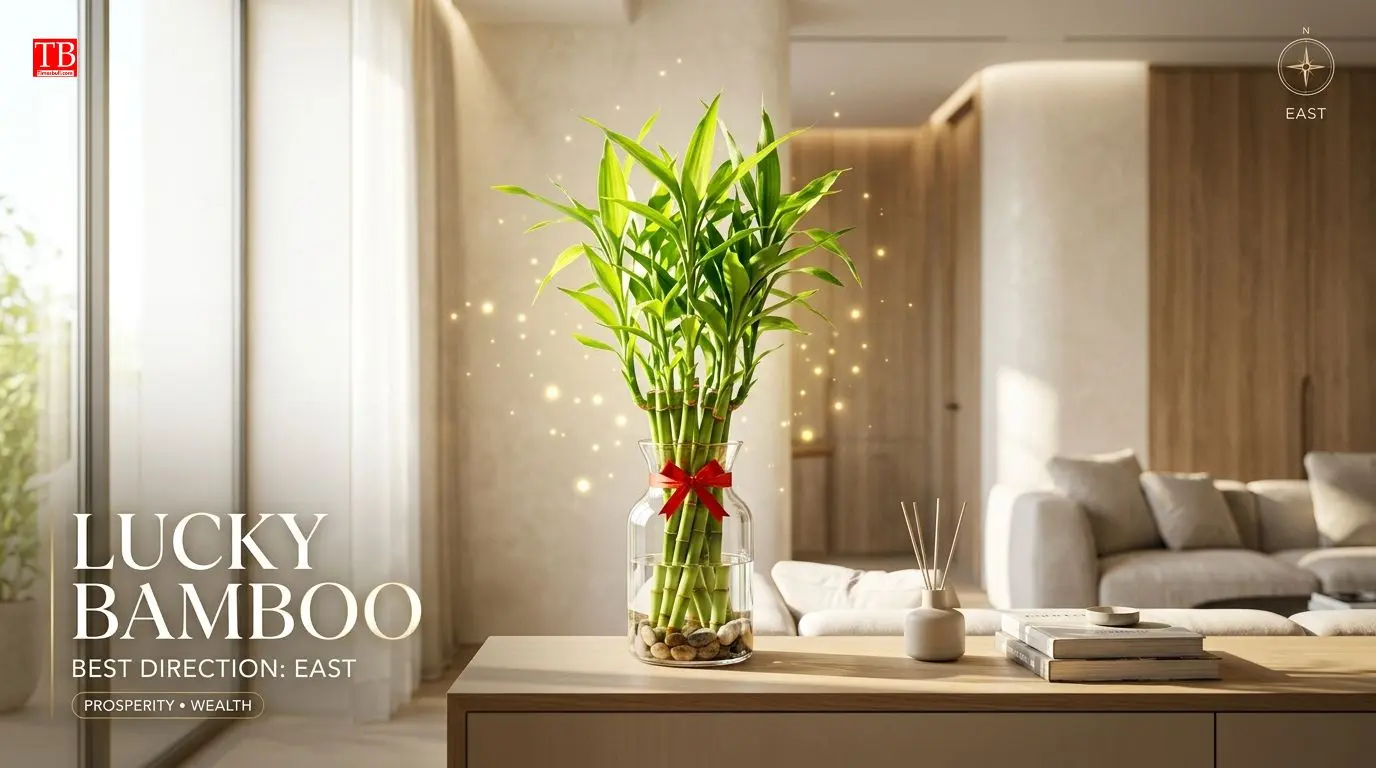
The Bamboo Plant: This plant of Feng Shui and Vastu brings happiness and prosperity
Along with Vastu Shastra, in Feng Shui, it is considered very auspicious to keep a bamboo plant at home. This plant brings happiness, longevity and good health to the house.
According to Vastu Shastra, the bamboo plant should always be kept in the east or southeast corner of the house. It is best to keep it in a glass container filled with clean water.
Be sure to change the water in this pot every week, as dirty water promotes negative energy. Also, do not remove the red thread or ribbon attached to it, as it keeps the energy balanced.
The rice plant is a symbol of wealth, success and longevity not only in Vastu but also according to Feng Shui. Bamboo with yellow bark is considered more auspicious. It is also beneficial to keep it in the north direction as this direction is related to Kuber, the god of wealth.

Conclusion
So you see, planting plants in the house is not just a decoration, but a profound lore that can positively or negatively affect your life.
By following the directions given in Vastu Shastra, you can not only balance the energy of the house, but also achieve economic progress, health and mental peace. Remember, before planting any plant, be sure to check its correct direction and rules of care once.
A plant planted in the direction of addiction can neutralize your hard work, while a plant planted in the right direction can change your life. If you already have a plant in your house in the wrong direction, do not delay in replacing it.
Fill your home with greenery, but with the rules of Vastu. This is the secret of true prosperity. You will find this information on timesbull.com.