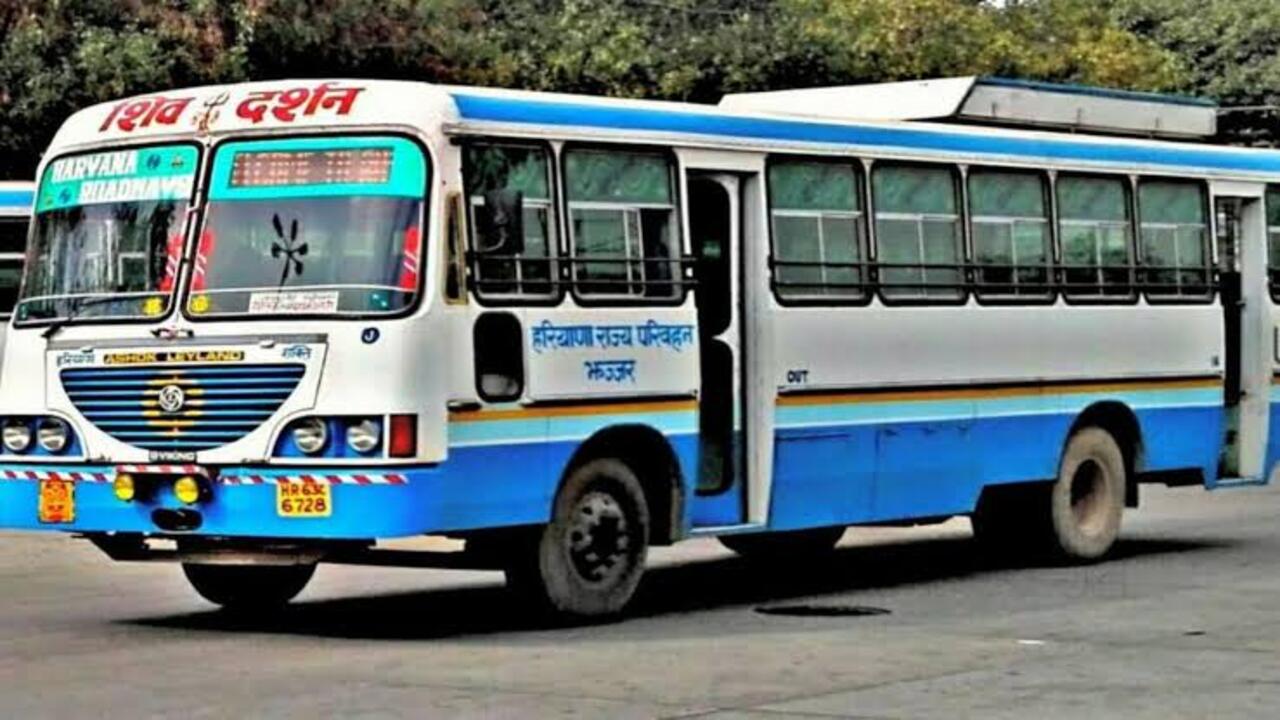
Haryana roadways Bus: A good news has come for the people of Cyber City Gurugram. Gurugram Metro City Bus Limited (GMCBL) has decided to reserve 8 seats in these buses on the 5th anniversary of city bus operation. In these 36 seater buses, four seats have been reserved for women and 2-2 seats for Divyangjan and senior citizens. Till now, the benefit of this facility was not available in these buses.
150 buses are being operated
After the order of the newly appointed Chief Executive Officer of GMCBL, Vishwajeet Chaudhary, seats have been reserved in city buses. Currently 150 city buses are being operated on 23 routes of Gurugram city. Till now there was no provision of seat reservation in any bus, due to which women, Divyang or elderly people had to face trouble during the journey. They had to travel standing but now it will be easier for these people to travel after the eats are reserved.
The most trouble is faced during the journey between Manesar and Gurugram because the number of passengers on this route is quite high. GMCBL was receiving continuous complaints in this regard, after which this decision has been taken.
The journey will become easier
GMCBL’s newly appointed Chief Executive Officer Vishwajeet Chaudhary also inspected the city buses. He also saw this problem in front of him, after which he has issued an order that 8 seats should be reserved in the city buses, so that women and elderly can sit on the seat and complete their journey easily.
That’s a great step towards making public transportation more inclusive and comfortable for everyone! The decision to reserve seats for women, Divyangjan (persons with disabilities), and senior citizens in the Gurugram Metro City Buses is a much-needed improvement, especially considering the difficulties faced by these groups in crowded buses. With 150 buses operating on 23 routes, this move should certainly make the journey more accessible, especially on high-traffic routes like the Manesar-Gurugram route, which had been a major point of concern. It’s a good example of how addressing public complaints can lead to meaningful improvements in the city’s transport system.
Latest News
- Maruti Dzire CNG Continues Dominance – Fuel Efficient Sedan Wins Indian Families
- Vivo Y600 Turbo Set to Debut: Featuring a 165Hz Display, Dimensity 8500, and a Massive 9,020mAh Battery

- HMD Vibe 2 5G Debuts in India with 6000mAh Battery & 50MP Camera: Get It For Just ₹9,499 With Launch Offers

- 8th Pay Commission लागू होते ही कितना हो जाएगा फिटमेंट फैक्टर, चेक करें अपडेट

- Oppo Find X9 Ultra Launched in India: Check Reliance Digital Price, Bank Offers, and Flagship Specs

- Electricity Bill Saving– How to Save Power During Summer Heat? Here Are the Few Tips

- Gold-Silver Rate – Gold ₹44,396 per 10 grams & Silver ₹1,85,462 per kg cheaper from the Peak

- US Green Card Rule Change, Know Before Apply

- PM Surya Ghar Scheme: खूब चलाएं एसी और कूलर, नहीं देना होगा बिल, जल्द कराएं यह काम

- ITR Filing Before May 31? You May Get Notice