


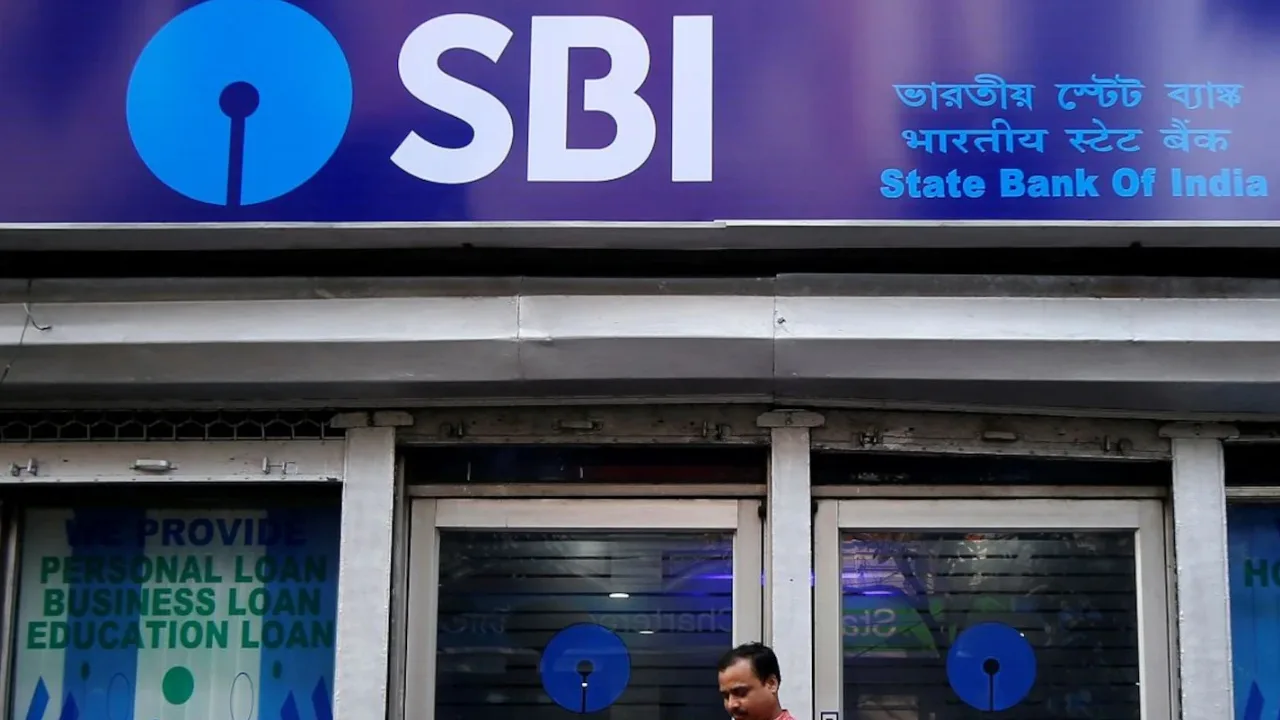
SBI: Big news is here. The State Bank of India (SBI), the largest public sector bank in the country, has raised its Marginal Cost of Funds Based Lending Rate (MCLR) by 0.15%, affecting customers with floating rate loans. This adjustment will lead to a rise in the monthly installment (EMI) for borrowers.
SBI Increases Loan Interest Rates
The new interest rates are now in effect, with the increase applicable to specific tenures outlined by the bank. Notably, the overnight and one-month MCLR remain unchanged, while the 3-month, 6-month, 1-year, 2-year, and 3-year MCLRs have been elevated by 15 basis points. Many retail loans, such as home and auto loans, are tied to the 1-year MCLR.
The impact of this decision by SBI will be felt primarily by customers with floating rate loans, resulting in increased interest rates due to the higher MCLR. Borrowers linked to external benchmarks like EBLR/RLLR will remain unaffected. It is important to note that not all MCLR-linked loans will experience an immediate impact, as these loans often have a reset clause. If your 1-year MCLR loan is due for a reset in the near future, the heightened interest rates will apply to your EMIs from the reset date, not immediately.
In response to the 0.15% interest rate hike, borrowers facing increased EMIs have two choices: either pay the higher monthly installment or extend the loan term if the elevated EMI is unaffordable. Opting for a longer tenure will result in higher total interest payments over the loan period.
State Bank of India (SBI) Chairman C.S. Setty said on Thursday that he does not expect deposit rates to increase over the next three months due to the surplus liquidity in the banking system. Speaking a day after the Reserve Bank of India’s (RBI) policy announcement, Setty said the central bank’s move towards tighter rates could help banks improve their net interest margins (NIMs) over the next three quarters.
Deposit Rate Hikes Unlikely Over the Next Three Months
Setty told reporters that deposit rates are unlikely to change over the next two to three months because there is sufficient liquidity in the banking system. However, he noted that if credit growth continues at its current high level, some banks may consider raising deposit rates to mobilise funds for lending.
He also acknowledged that depositors should receive some compensation through positive real interest rates if inflation rises.
Commenting on credit growth, Setty said India’s largest lender expects to sustain loan book growth of 14–15%. He explained that while there is no universally ideal rate of credit growth, SBI believes it should be at least 2–3 percentage points higher than nominal GDP growth. With nominal GDP growth estimated at 12%, Setty said credit growth of 14–15% would help maintain the momentum of economic expansion.