



What is the best time to invest in PPF?
Most people prefer Public Provident Fund (PPF) for safe investment, but it is not enough to invest. Investments made at the right time will be beneficial for you. If you are thinking of investing in PPF, then know that it is beneficial to invest between 1st and 5th of the month.
The reason for this is that the PPF interest is calculated by looking at the lowest balance existing after the 5th of the month till the last day of the month. That is, if you deposit money on the 6th, then the interest for that month will not be received. Imagine, if you invest before the 5th of every month, how much benefit will be there in the entire 15 years.
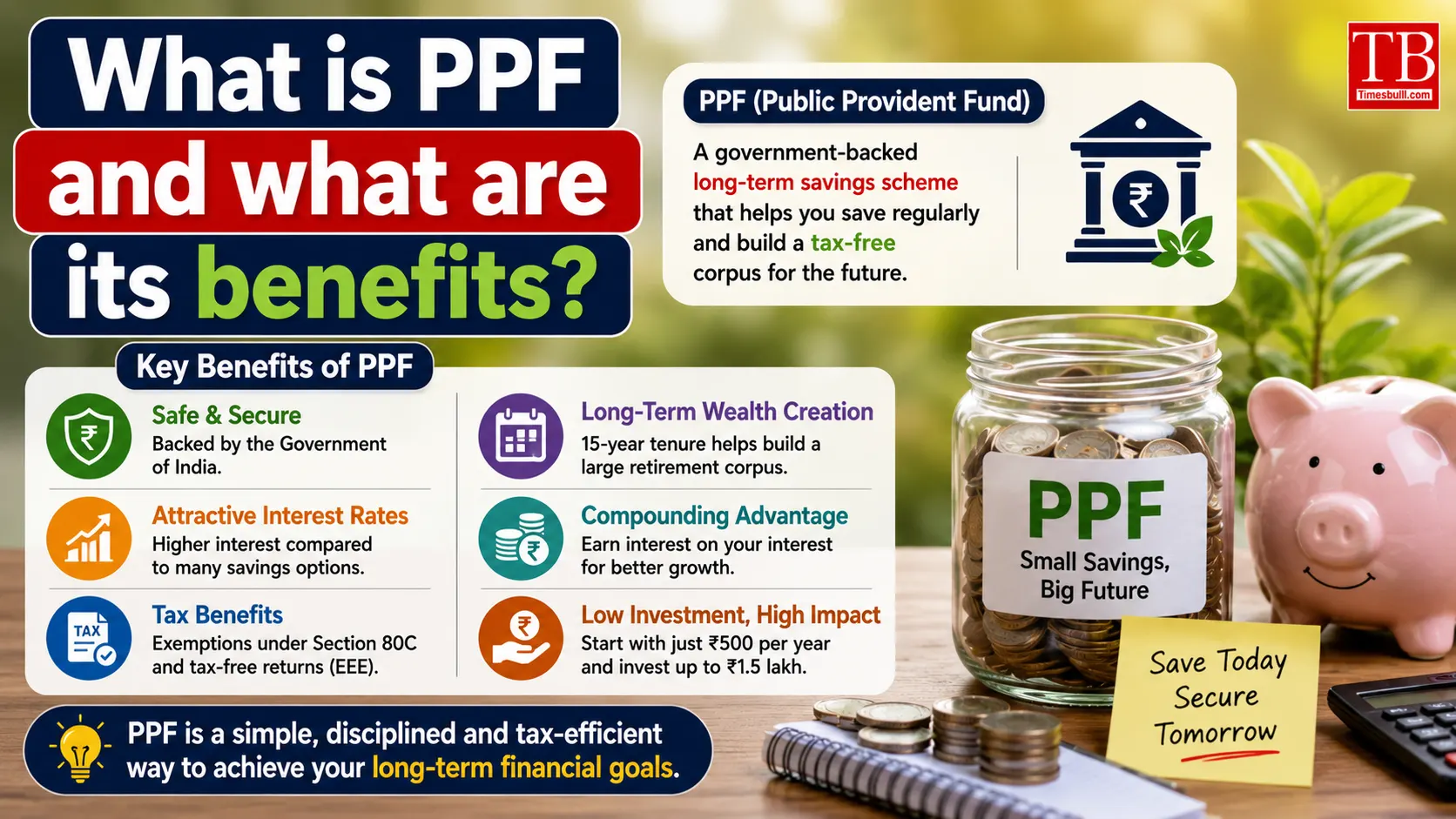
What is PPF and what are its benefits?
Public Provident Fund (PPF) is a government savings scheme launched in 1968, which is especially for long-term investors. It can be invested for 15 years and can be extended in blocks of 5-5 years. At present, the interest rate on PPF is 7.1 per cent, which is reviewed by the government every quarter.
The most important thing is that the interest received on the investment and the entire amount received on maturity is tax-free, which is called EEE (Exempt-Exempt-Exempt) status.
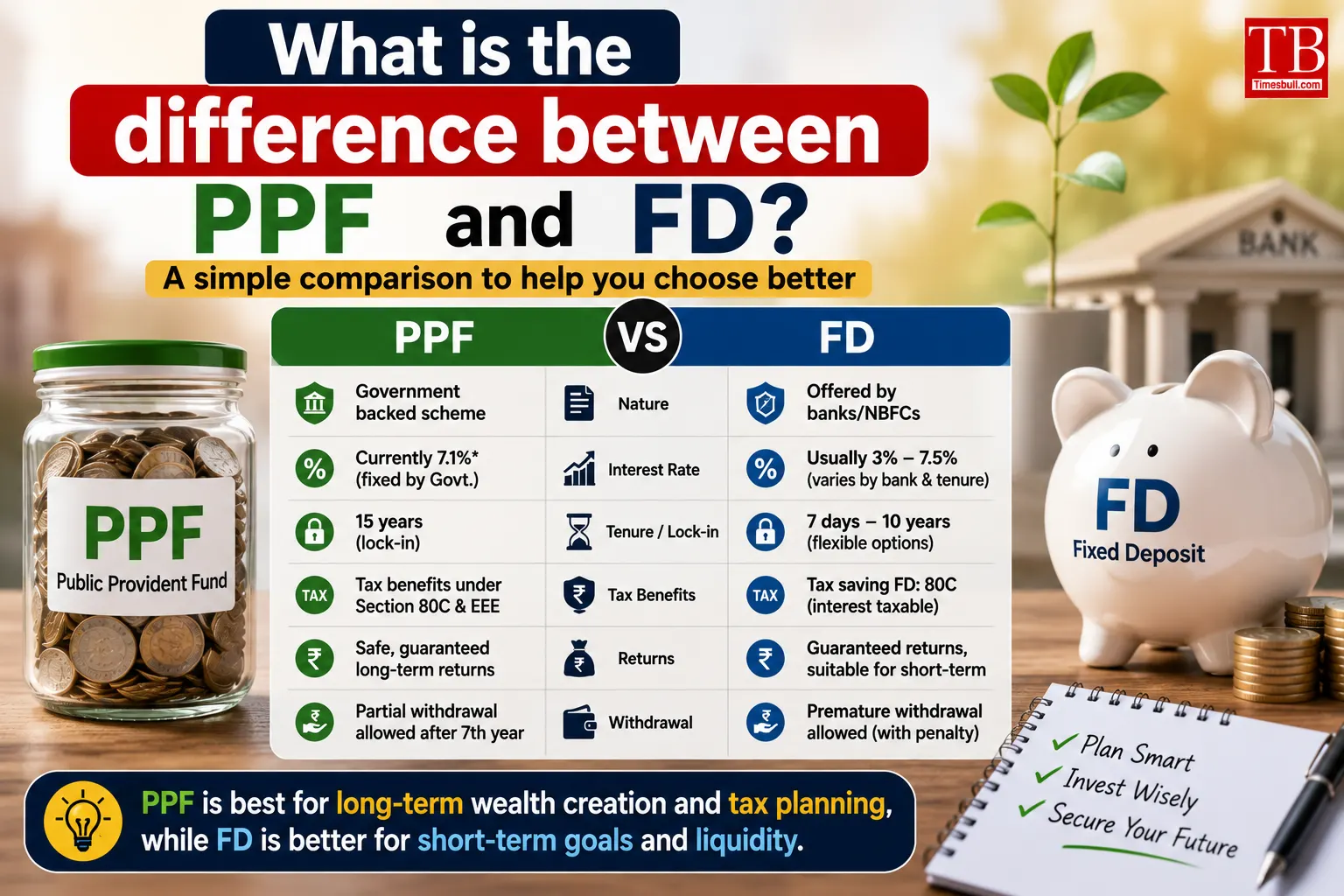
What is the difference between PPF and FD?
The tenure of an FD (Fixed Deposit) can range from 7 days to 10 years, and its interest rate is fixed in advance. At the same time, the PPF duration is a minimum of 15 years. FD interest rates range from 6.5 per cent to 7.5 per cent, while PPF interest rates range from 7.1 per cent.
Many people think that the interest on FD and PPF is the same, but in fact, the interest on FD is taxed, while PPF is completely tax-free. However, if you have to break the FD before time, the bank can take a penalty, while the money in the PPF can be withdrawn in full only after 15 years.
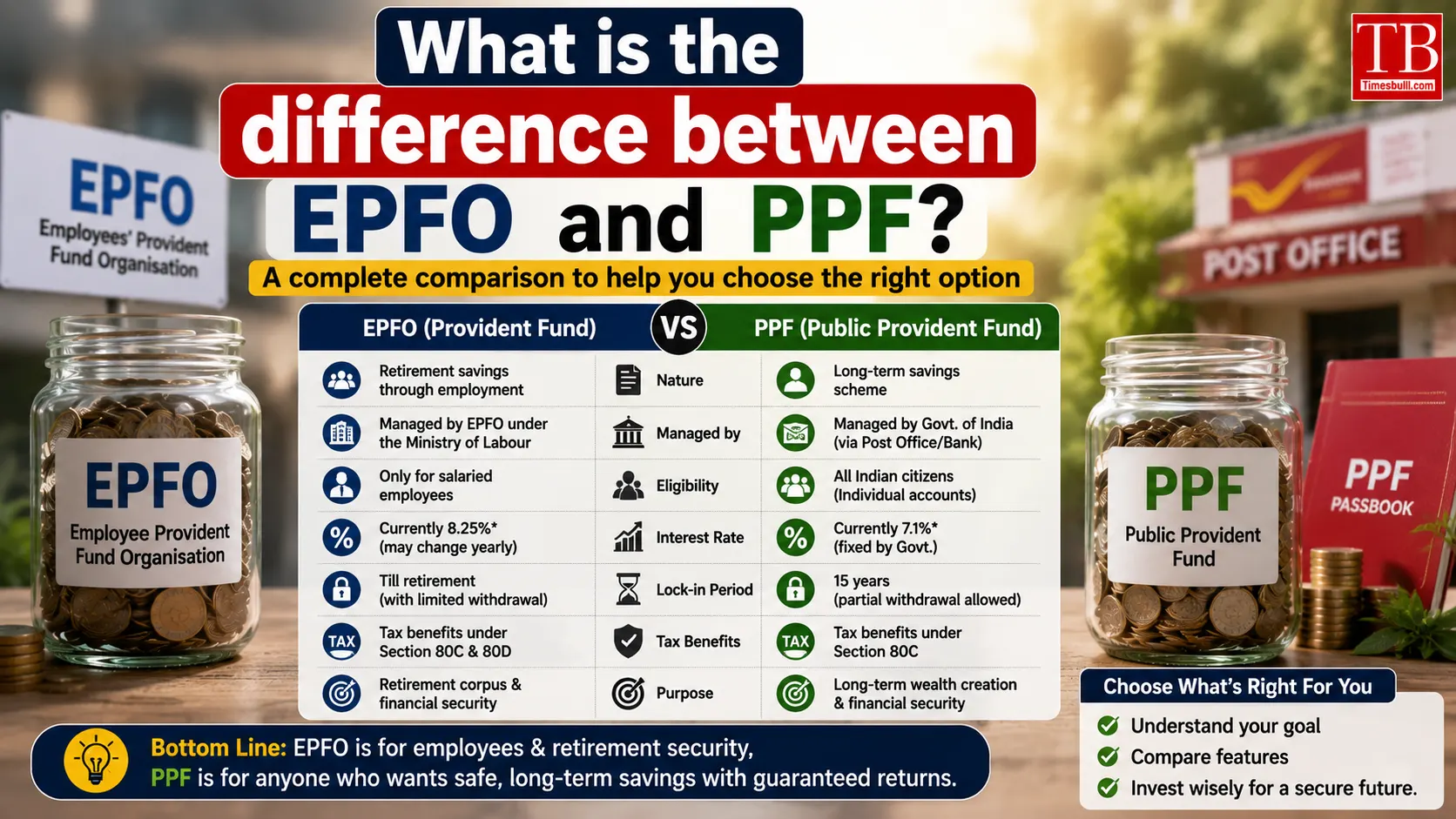
What is the difference between EPFO and PPF?
Any Indian citizen can invest in PPF while EPF is meant for salaried individuals. The interest rate in EPFO is currently 8.25 per cent, which is higher than PPF. Its maturity is at the age of 58 years, while PPF matures in 15 years. Another big difference is that both employees and employers contribute to the EPF, which increases the total savings. However, in PPF, the investor himself decides how much money to deposit (from a minimum of Rs 500 to a maximum of Rs 1.5 lakh annually).
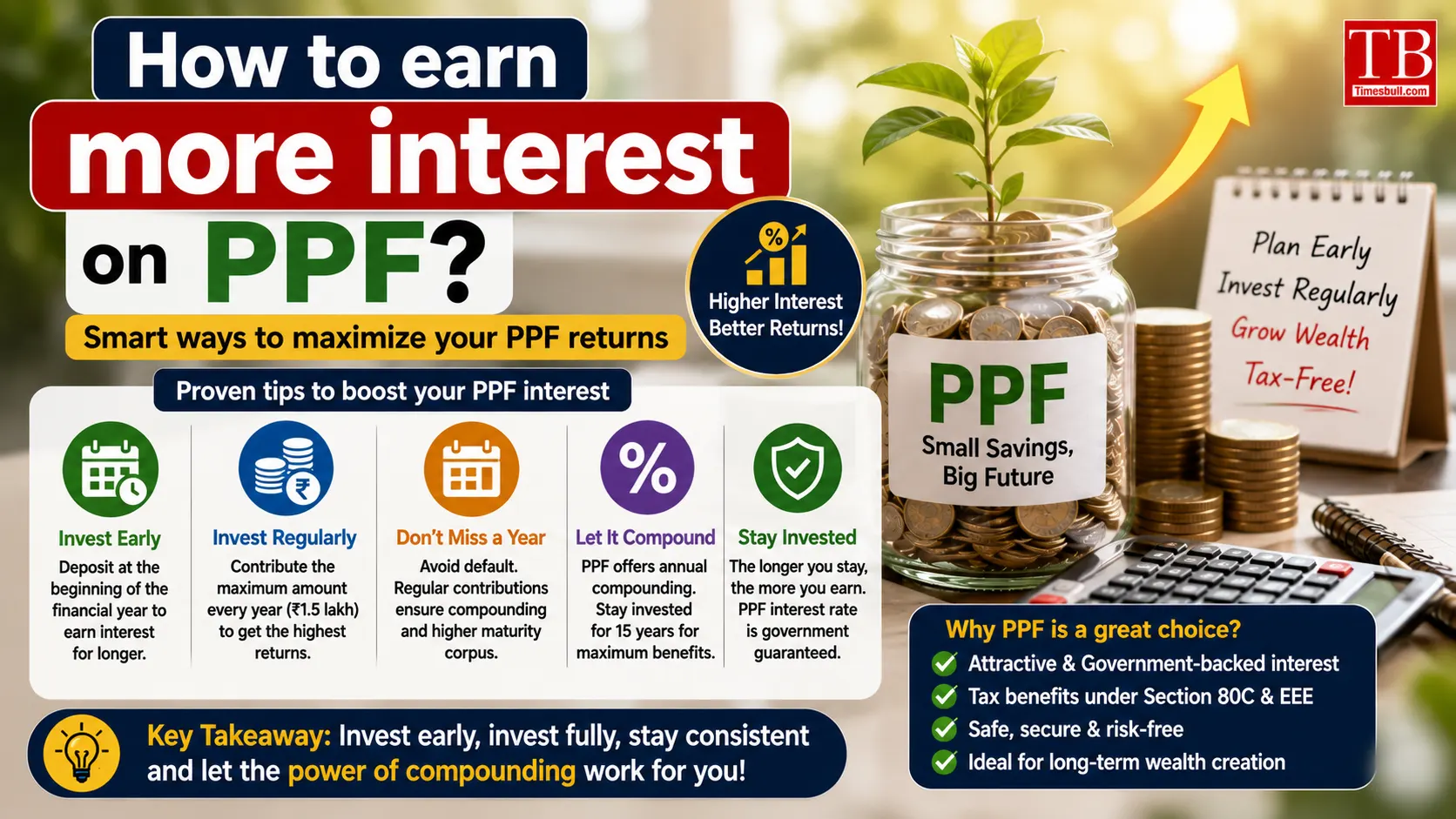
How to earn more interest on PPF?
The easiest way is to deposit your investment amount before the 5th of every month. For example, if you want to invest Rs 10,000, then depositing on the 4th will earn interest for the entire month, but depositing on the 10th will not earn interest for that month. If you have a lump sum of Rs 1.5 lakh, it is most beneficial to deposit at the beginning of the financial year i.e. before April 5, as interest is paid for the entire 12 months. With this small trick, your returns can be much better.
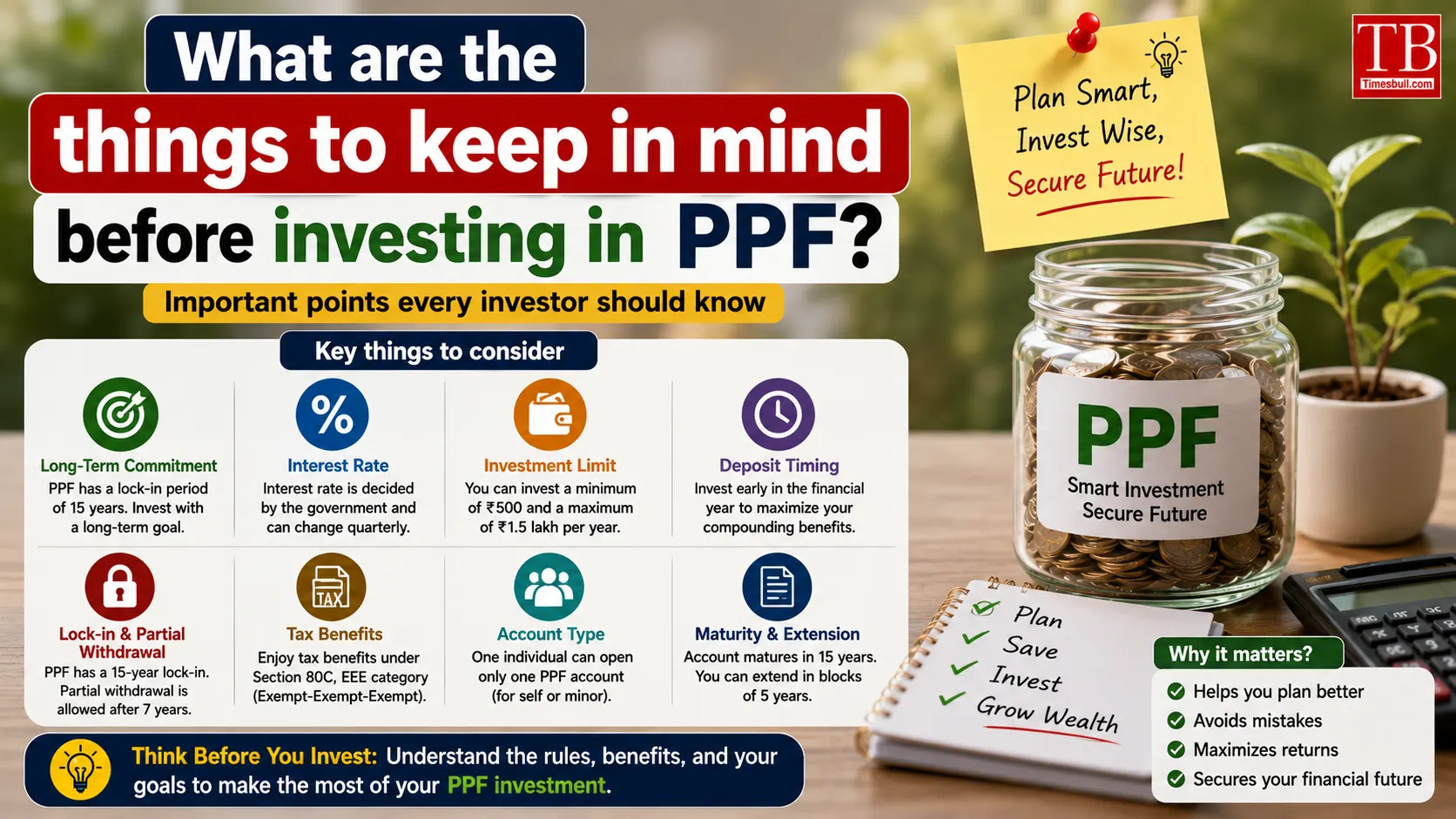
What are the things to keep in mind before investing in PPF?
It is mandatory to deposit a minimum of Rs 500 every year to keep the PPF account active, otherwise the account becomes inactive. If the account becomes inactive, it can be reactivated with a penalty of Rs 50 per year. The loan can be taken on completion of 3 years of the account and the facility of partial withdrawal is available after 6 years. Many people forget that the interest rate of PPF is not fixed for the entire 15 years - This can change every quarter.
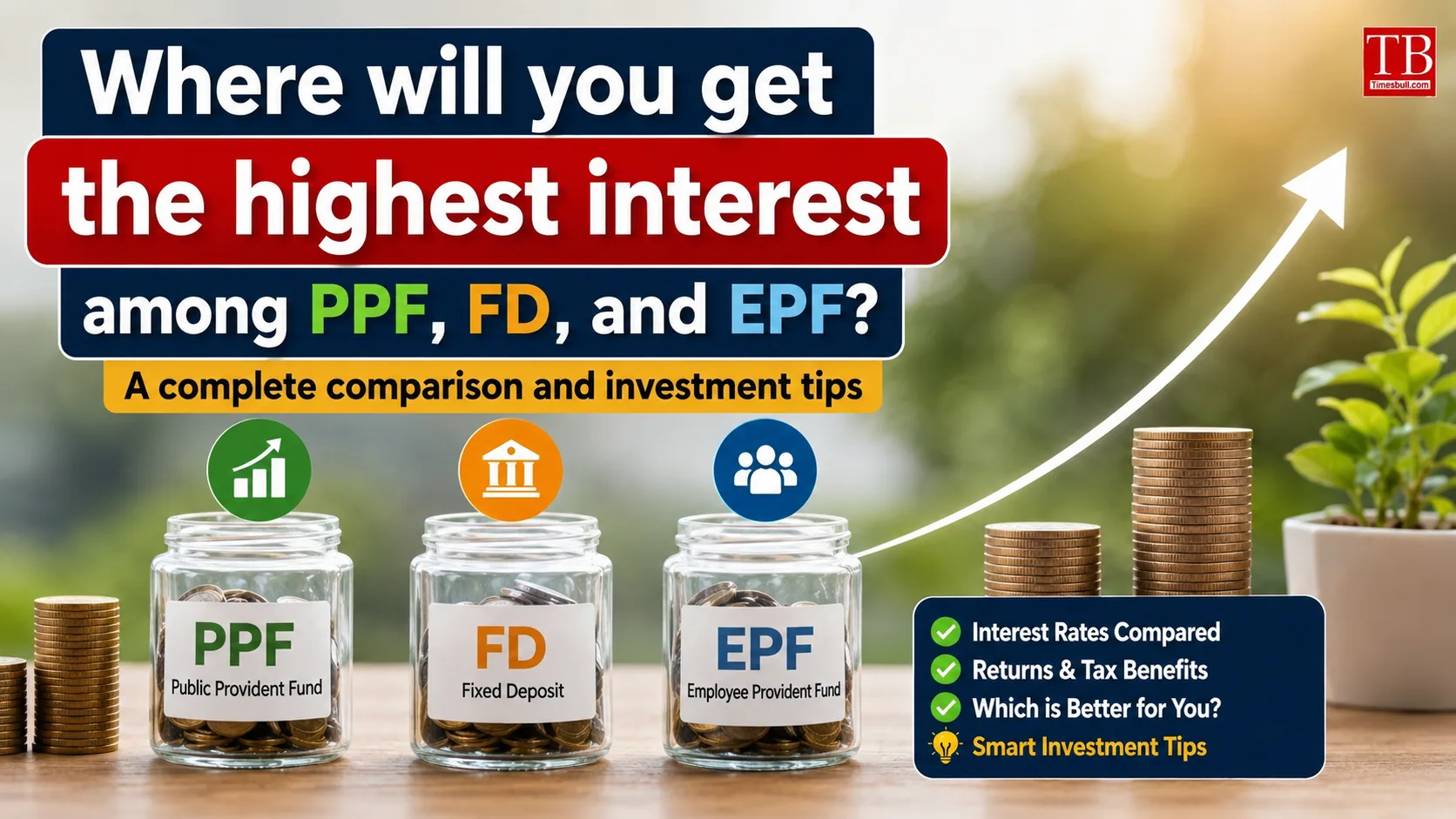
EPF vs PPF: Comparison at a glance
These three options are safe, but suitable for different needs:
EPF is best for salaried employees, as it gets 8.25% interest and employer's contribution.
PPF is best for those who want to invest on their own and want tax-free returns, even if the interest rate is 7.1%.
FD is perfect for those who have to invest for a short period (7 days to 10 years) and are willing to pay tax on the interest.

Conclusion
All three investment options - PPF, FD and EPF - have their own merits. EPF offers the highest interest rate of 8.25 per cent, PPF offers tax-free returns with 7.1 per cent, and FDs offer flexibility for shorter tenures. If you want tax-free returns for the long term, then PPF is the best option. Just remember... Don't forget to invest before the 5th of the month, and invest lump sum at the beginning of April if you can.
This little awareness will make a big difference to your 15-year investment. timesbull.com will continue to provide you with similar accurate investment information. If you have any other questions, let us know in the comments.