


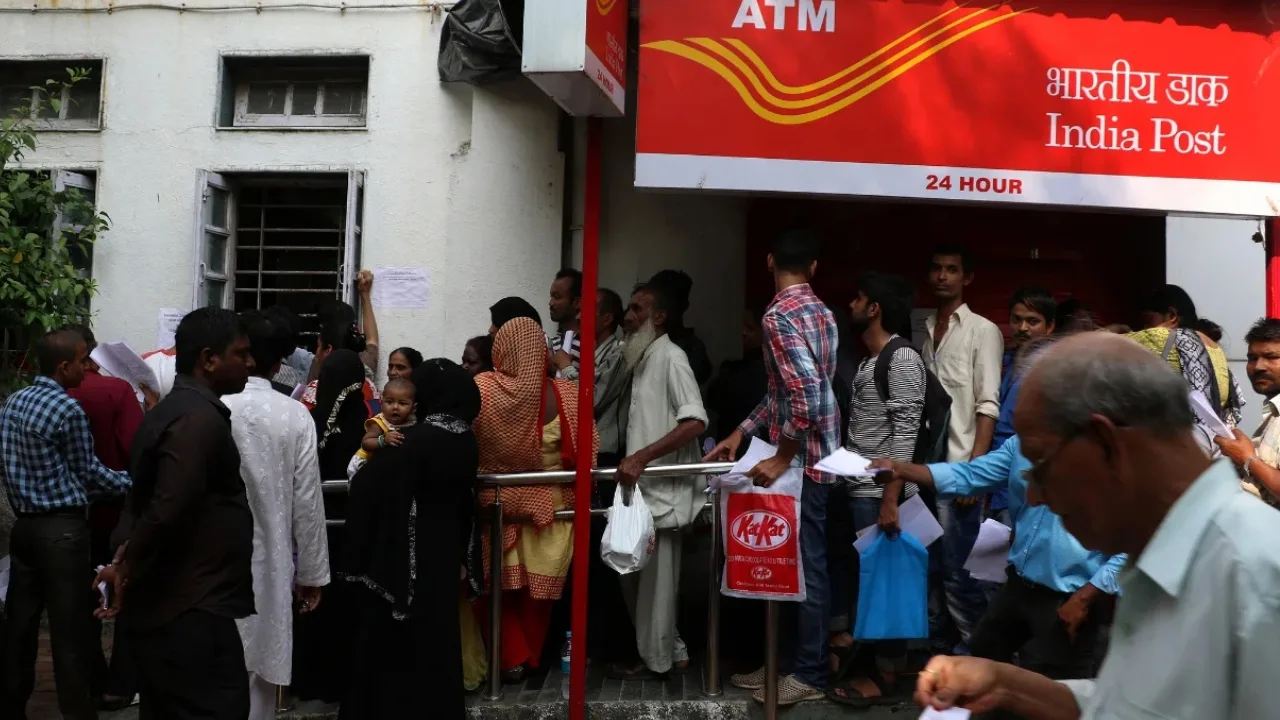
Post Office ATM Charges: If you possess a Post Office Savings Account (POSA), it is helpful to be aware of certain key regulations regarding ATM withdrawals before accessing your funds. The Post Office Savings Account allows ATM usage; however, there is a cap on the amount you can withdraw each day. Withdrawals are limited to Rs 25,000 per day, and no single transaction can exceed Rs 10,000. Below, we’ll cover how many free ATM transactions are permitted monthly, as well as the charges that apply if you surpass this allowance.
What is the daily Post Office ATM withdrawal limit?
Under Department of Posts regulations, the maximum you may withdraw in one day with your Post Office Savings Account ATM card is Rs 25,000. Nevertheless, you must abide by a particular condition.
– Daily Withdrawal Limit: Rs 25,000
– Single Transaction Limit: 10,000
– Minimum Balance: 500
To reach the daily limit of Rs 25,000, multiple transactions are necessary. For instance, you could make two withdrawals of Rs 10,000 each and one of Rs 5,000. After each withdrawal, your account should still have at least Rs 500 remaining; otherwise, transactions might not be processed.
How many free transactions are available from Post Office ATMs?
ATM cards issued by the post office come with a quota of free transactions, though the policy varies between post office ATMs and those belonging to other banks.
1- Using a Department of Posts ATM
Each calendar month, you are entitled to five free financial or non-financial transactions at Department of Posts ATMs.
2- At other banks’ ATMs
When you use your card at another bank’s ATM for cash withdrawals or balance enquiries, free transaction limits are as follows:
– In 6 metro cities: 3 free transactions per month.
– In non-metro cities: 5 free transactions per month.
Both types of transactions—cash withdrawals and balance checks—are counted towards these limits.
What are the ATM charges after the free transaction limit?
Once you exceed your monthly allowance of free transactions, additional charges will apply. Starting from 1 November 2025, the fees are listed below:
As an example, if you surpass your free transaction quota at another bank’s ATM and then make a withdrawal, you will incur a charge of Rs 23 plus GST per transaction. Checking your balance after the free limit will cost Rs 11 plus GST. It is therefore advisable to withdraw money only as required and to avoid excessive ATM usage.
What is the required minimum balance?
It is mandatory to keep at least Rs 500 in your Post Office Savings Account. If, on 31 March (the financial year-end), your account balance is below Rs 500, a maintenance fee of Rs 50 may be charged. Thus, monitoring both your ATM usage and account balance is necessary.
How is interest earned on a Post Office Savings Account?
The calculation of interest on deposits in a Post Office Savings Account is based on the lowest balance maintained between the 10th and the last day of each month. This interest is then credited yearly. When you are considering large withdrawals, it is important to be mindful of this interest calculation method.
Five important points to remember:
1- Never attempt to withdraw more than Rs 25,000 in a single day.
2- The highest amount that can be withdrawn at once is Rs 10,000.
3- Ensure your account always maintains a minimum balance of Rs 500.
4- Regularly track your monthly free ATM transaction quota.
5- Understand and anticipate the charges that apply after exceeding your free limit.
Accessing your funds is convenient with a Post Office Savings Account ATM card, but it is essential to keep the withdrawal limits, minimum balance requirements, and free transaction rules in mind. By doing so, you can avoid unnecessary ATM fees.