


EPFO Rules: The Employees’ Provident Fund (EPF) is primarily established as a compulsory savings tool for retirement safety. However, there is often a question about whether individuals can take out their entire PF account balance at any time. Particularly with talks about EPFO 3.0 and the move to digital services gaining momentum, it’s essential to grasp the PF withdrawal regulations.
If you are thinking about withdrawing all your PF savings, the straightforward answer is no. You cannot withdraw the whole sum whenever you want while you are employed. As per EPFO guidelines, full withdrawals are not allowed during active employment, but there are exceptions. Let’s delve into the key rules concerning PF withdrawals.
When is it possible to withdraw 100% of your PF funds?
As per the current EPFO policies, you are allowed to take out all the funds from your account only in two main situations:
At retirement age: When an employee turns 58 years old, they can request final settlement and withdraw the entire sum saved in their account.
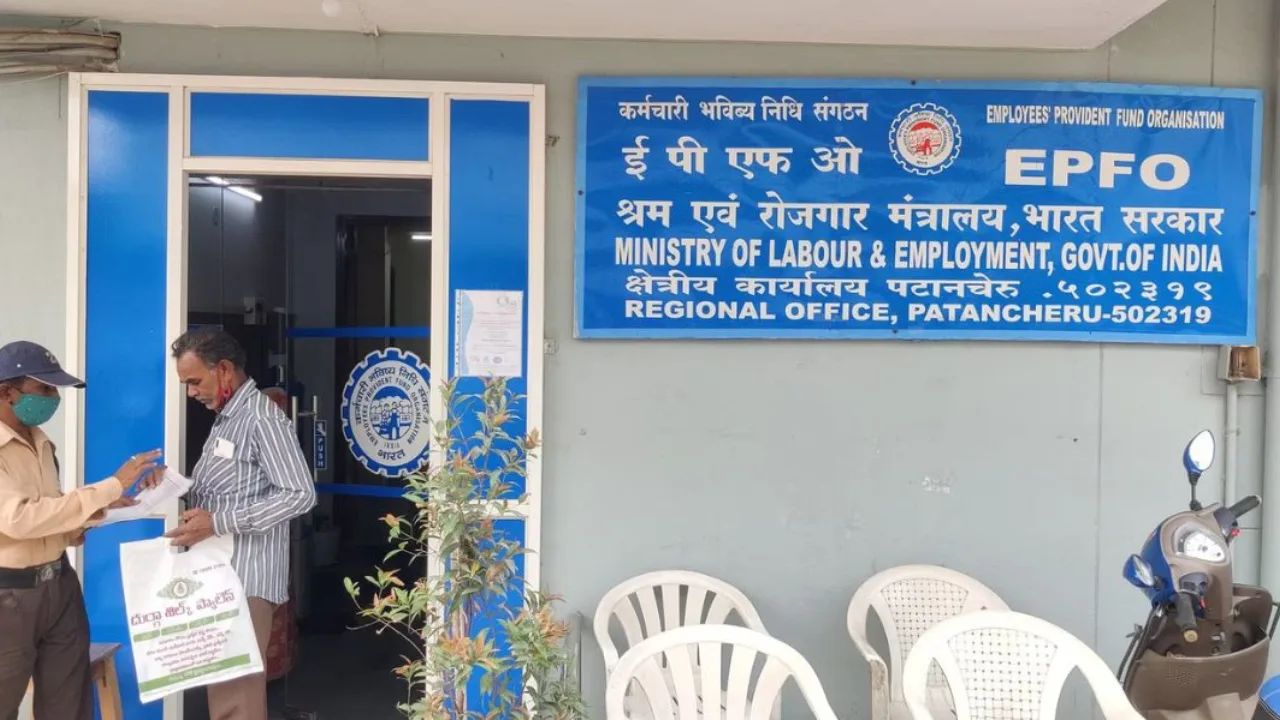
In case of job loss or being unemployed: If you lose your job, you can access funds to support yourself financially during the period of unemployment.
If unemployed for 1 month: You can withdraw up to 75% of your total PF balance.
Unemployment for 2 months or more: You can then claim the remaining 25% and thus access the full 100% of the fund.
Is it advisable to withdraw funds when changing jobs?
Many workers believe that when switching jobs, it is best to withdraw their previous PF balance. However, the EPFO recommends transferring the funds instead of withdrawing them when changing jobs, using the Universal Account Number (UAN).
Why is this transfer necessary?
No loss of interest: By transferring the funds, your money keeps earning interest annually.
Service continuity: Your employment history remains uninterrupted.
Tax implications: Withdrawing funds frequently while changing jobs not only reduces your retirement savings but may also result in taxes in some cases.
During employment, only partial withdrawals are permitted.
Although complete withdrawals are limited while employed, EPFO members can make partial withdrawals through advances for specific urgent needs. You can access funds during employment for the following reasons:
For higher education and marriages.
To purchase or construct a house or land.
To repay a home loan.
For critical medical treatments for yourself or family members.
Note: The rules differ for each category based on your service duration and withdrawal limit.
Considerations before withdrawing funds
While withdrawing PF savings can provide immediate cash, it may jeopardize your retirement security. EPF serves as a great investment tool offering a strong mix of compulsory savings, employer contributions, and tax-free annual interest. Therefore, unless in a severe emergency, refrain from tapping into your PF savings and always opt to transfer it when switching jobs.