


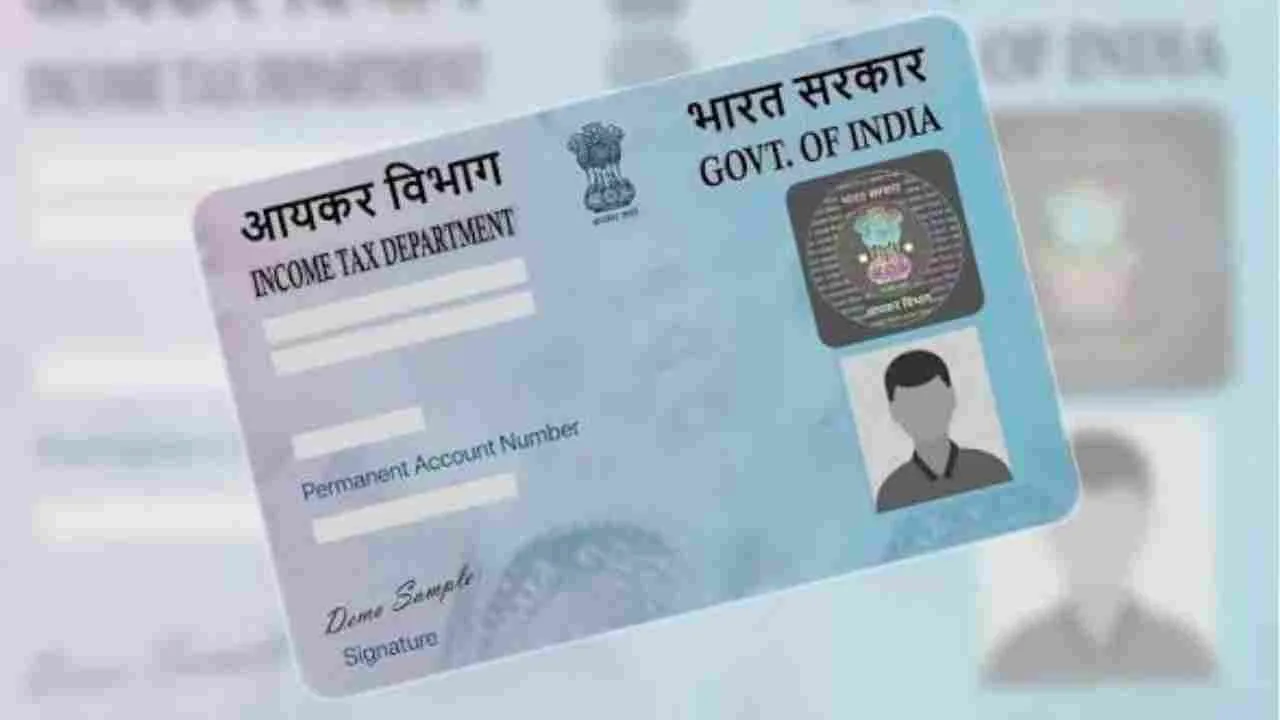
PAN Card 2.0: The Income Tax Department has launched the PAN Card 2.0 initiative to make getting and using PAN cards easier and more secure. It introduces a new QR code for quick online verification and aims to create a more paperless, digital experience. This article covers PAN 2.0 details, features, QR codes, benefits, eligibility, and the application process.
Latest Update on PAN Card 2.0
The Income Tax Department has awarded the modernisation contract to IT services company LTIMindtree. Government officials say the new system is expected to become operational within 18 months.
What Is PAN Card 2.0?
PAN Card 2.0 is the upgraded, modernised version of India’s traditional Permanent Account Number (PAN) system, which was introduced by the Income Tax Department. As part of an e-governance transformation, it aims to strengthen security, simplify procedures, and improve the user experience through digital integration and modern technology infrastructure.
New PAN Card 2.0 Image
The government has not yet released an official image of the new PAN Card 2.0. However, the card is expected to include:
Permanent Account Number (PAN)
The PAN holder’s full name
Date of birth
Father’s name
A QR code with encrypted information for instant verification
Digitally signed information to confirm authenticity
Improved print quality and design for greater durability
PAN 2.0 Project Overview
The PAN 2.0 Project is a major initiative by India’s Income Tax Department to modernise the Permanent Account Number (PAN) system with advanced technology, including a QR code.
The Cabinet Committee on Economic Affairs (CCEA) approved the project on 25 November 2024, with a financial outlay of Rs. 1,435 crore. The main objective of PAN 2.0 is to modernise the PAN card system through a fully paperless, streamlined, and technology-led process.
The project supports the government’s wider Digital India vision by improving service delivery, strengthening security, and offering taxpayers a seamless digital experience.
Key Features of PAN 2.0
PAN 2.0 introduces important improvements, including mandatory Aadhaar linkage, real-time data validation, and advanced analytics to enhance security and tackle fraud. Its key features include:
PAN Card 2.0
QR Code Integration: The PAN 2.0 card features a QR code that enables quick verification and convenient access to taxpayer information.
Unified Digital Platform: A central platform brings together all PAN-related services, making online account management easier for users.
Enhanced Cybersecurity: Stronger safeguards help protect taxpayer data from unauthorized access and security breaches.
Eco-Friendly Operations: Paperless processes reduce environmental impact as well as operating costs.
Secure PAN Data Vault: A dedicated vault securely stores PAN data for entities that use it, supporting privacy and data protection.
Mandatory Aadhaar Linkage: The system links Aadhaar to PAN to strengthen verification and help prevent fraud.
Real-Time Validation: Instant PAN detail checks improve accuracy and reduce errors.
Advanced Data Analytics: Advanced technology helps identify and prevent fraudulent activity more effectively.
Benefits of the New PAN Card 2.0
Here are some advantages of the PAN Card 2.0.
Enhanced Security
Adding a QR code to the PAN card provides an extra layer of protection. The code stores encrypted personal details, including the holder’s name, date of birth, and PAN number. These details can only be accessed with authorised scanning software.
Faster Verification
The QR code supports quick and accurate identity checks through instant scanning. This can shorten verification times for cardholders and organisations conducting checks.
Up-to-Date Information
With PAN Card 2.0, user details are aligned with the Income Tax Department’s latest formats and requirements. During a digital application or replacement process, outdated or inconsistent information may be corrected or updated.
Fraud Prevention
Advanced QR code encryption helps prevent unauthorised copying of the PAN card. Without authorised decryption tools, the embedded information is difficult to reproduce or counterfeit.