


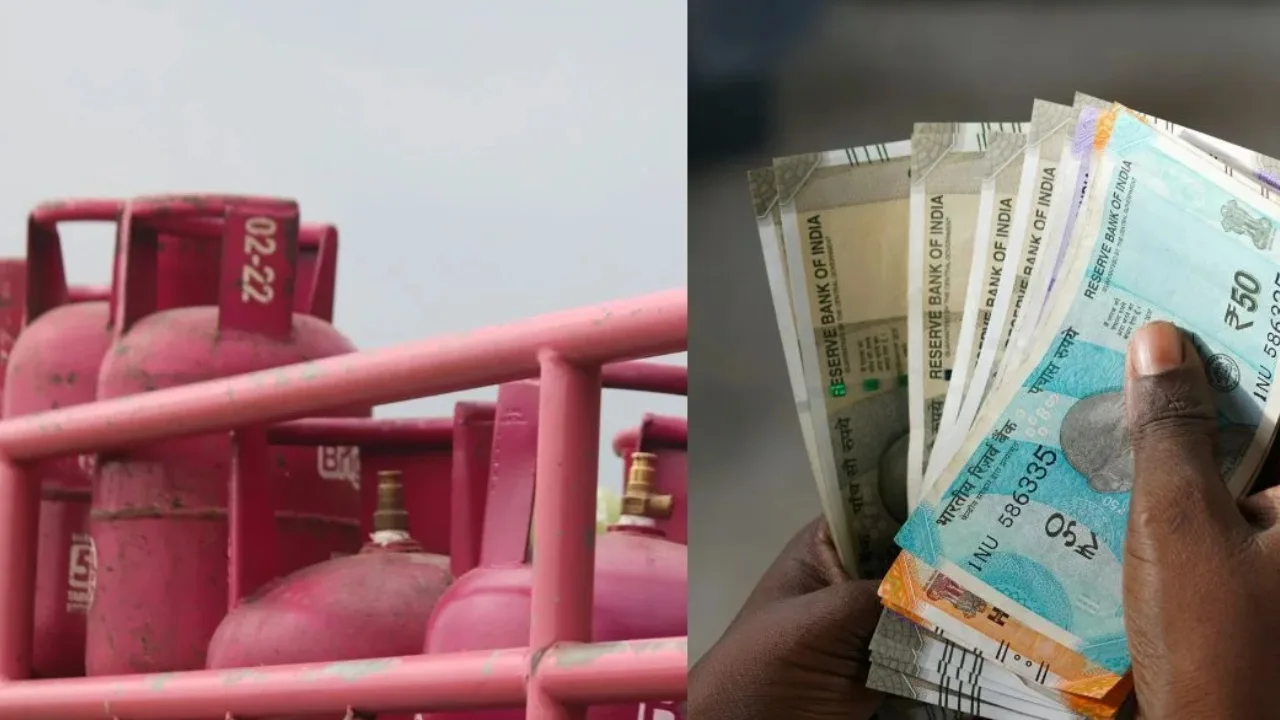
October Rule Change: Big news for everyone. October 2026 marks the onset of significant changes for the general public. Various alterations are on the horizon, ranging from subsidized domestic LPG gas cylinders to complimentary bus rides for women in Delhi, UPI payments for businesses, and modifications in the tax process for property acquisitions. Some of these changes may have a direct impact on your finances, while others are aimed at reducing administrative burdens.
Most significant financial impact
The most immediate economic effect of the October adjustments pertains to LPG subsidies. Customers eligible for subsidies who do not complete Aadhaar-based e-KYC will no longer receive the subsidy. Presently, there is no provision for imposing additional charges on customers utilizing UPI. Individuals purchasing property from NRIs will receive tax exemptions, while women in Delhi lacking smart cards might have to pay bus fares.
Mandatory Aadhaar for gas cylinder subsidy
Commencing on October 1, Biometric Aadhaar Authentication (BAA) will be mandatory to avail subsidized domestic LPG cylinders. The Petroleum Ministry reports that roughly 89.9% of the 274.3 million active domestic LPG customers have already fulfilled this requirement. Those who have completed BAA previously will not need to take any further action.
Customers who have not yet undergone Aadhaar authentication will need to complete this process to secure a subsidized rate for booking the cylinder. The government estimates an indirect subsidy of approximately Rs 210 on a 14.2 kg domestic cylinder in September. Failure to authenticate could result in the loss of this benefit. BAA can be completed during delivery, at the gas agency office, or through IndianOil ONE for Indane, HelloBPCL for Bharat Gas, and HP PAY app for HP Gas.
New UPI charges
Another significant change relates to UPI in October. As of October 15th, a 0.4% MDR will be applicable to specific P2M (customer-to-business) payments exceeding Rs 2,000. This fee will be capped at Rs 300 for payments exceeding Rs 75,000. However, regular customers will not be subject to this charge.
P2P (person-to-person) payments and P2M payments up to Rs 2,000 will be exempt from the MDR. Small businesses also qualify for exemptions. The government estimates that approximately 96% of P2M transactions will remain unaffected.
While this change may not directly impact customers’ finances immediately, businesses anticipate potential cost increases. Trade associations in certain states have announced protests, such as “No UPI Day,” in response to this issue.
TAN not necessary for purchasing property from an NRI
The TDS process for resident individuals or HUFs acquiring immovable property from NRIs will be streamlined starting October 1. The new Income Tax Act will utilize a PAN-based process and Form 141, eliminating the need for a separate TAN.
Nevertheless, the elimination of TDS on property purchases from NRIs is not implied. The obligation to deduct tax remains; only the process for depositing and reporting it will be altered. Therefore, for substantial property transactions, buyers should verify the correct rates and procedures with a tax specialist.
Expansion of ESIC coverage in 24 districts in Madhya Pradesh
ESIC coverage is set to broaden in various regions of Madhya Pradesh from October 1. This expansion will subject eligible establishments and employees covered under the notification to ESIC contributions, enhancing the range of health and social security benefits accessible to employees under ESIC. This change primarily concerns social security and health coverage for employees rather than immediate financial savings. Both employees and employers will contribute in accordance with their respective shares.
Introduction of smart card for free bus travel for women in Delhi
A significant transformation involves free DTC and cluster bus travel for women and transgender passengers in Delhi. The current system of paper pink tickets will be operational until September 30, but as of October 1, free travel will be accessible only by tapping the Saheli Pink Smart Card. Consequently, individuals without a smart card may need to purchase a regular ticket and pay the fare. The initial issuance of the card is free, while a replacement in case of loss or damage will cost Rs 59.
Potential bank strike may lead to challenges
Amidst the festive spirit, the month of October might bring about challenges. Bank unions are advocating for the implementation of a five-day banking system and resolution of several employee-related issues. Their demands include pension reforms, a uniform dearness allowance formula for all pensioners, and the option for NPS-covered employees to switch to the old pension system. If their demands are not met, the unions have cautioned of an indefinite strike starting on October 26, 2026.