


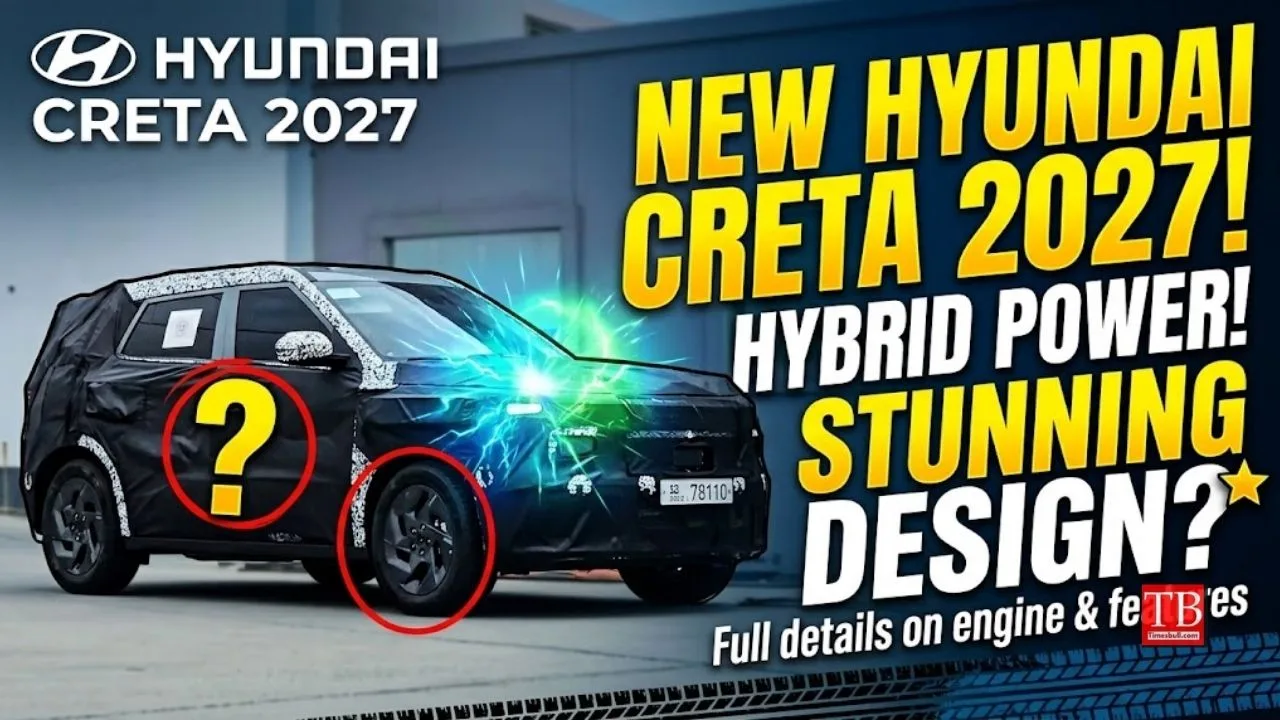
New Hyundai Creta: Hyundai Motor India is rapidly working on its next major product lineup. The company is preparing to launch new-generation versions of two of its popular cars—the Creta and the i10—in the Indian market by 2027. While both cars will be designed with different target audiences in mind, significant changes ranging from design to technology are expected this time around. Let’s look at the details.
New Design
Hyundai may introduce the new-generation Creta with a completely fresh design. Compared to the current model, the upcoming Creta is expected to be larger and feature a distinct look. Observations from test mules suggest it might sport a boxier shape and a longer wheelbase.
An increased wheelbase would directly benefit the cabin, offering more space and comfort for rear-seat passengers. Up front, a more upright profile, larger alloy wheels, and a wider stance could give it a more commanding road presence than before.
Platform
The vehicle is expected to be built on Hyundai-Kia’s new K3 platform—the same platform used for the new Kia Seltos. If this materialises, we could see significant changes in the new Creta’s size, cabin space, and technology compared to the current model.

Strong Hybrid
The introduction of a strong hybrid system could be one of the most interesting changes in the new Creta. Hyundai might implement this technology in its SUVs for the Indian market. Since Kia has already planned to launch a hybrid Seltos in India by 2027, there is a strong possibility that the Creta will also feature similar hybrid technology.
Regarding powertrains, the company is likely to retain the existing 1.5-litre petrol and diesel engines, along with the current manual and automatic gearbox options.
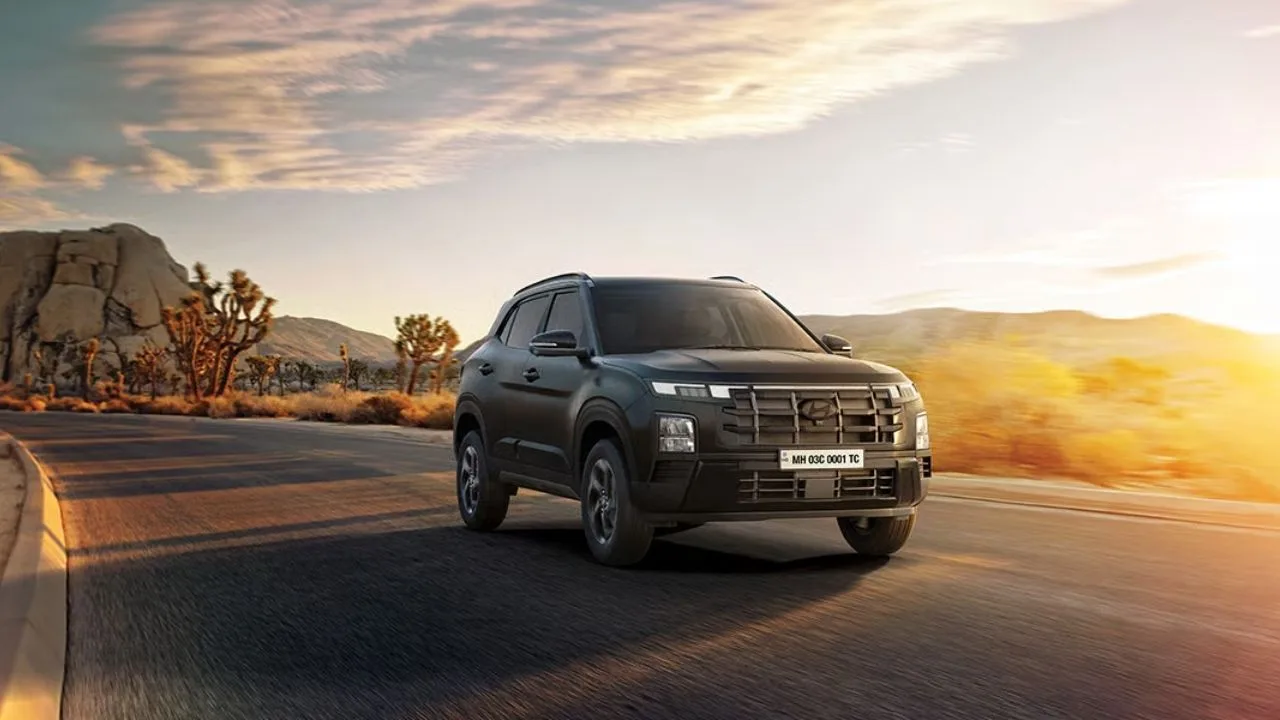
New Hyundai i10
Following the Creta, Hyundai may also launch a new generation of its compact hatchback, the i10. The new i10 is also expected to be developed with a completely new design and platform. The company may incorporate new technology and safety features to keep the car an attractive option for consumers amid the competition.
Regarding the engine, the existing powertrain options are expected to be retained. The new i10 is likely to feature the same 69bhp CNG engine and the naturally aspirated 1.2-litre petrol engine, which delivers approximately 83bhp. However, balancing the price point while adding advanced technology and safety features will be crucial for the company.