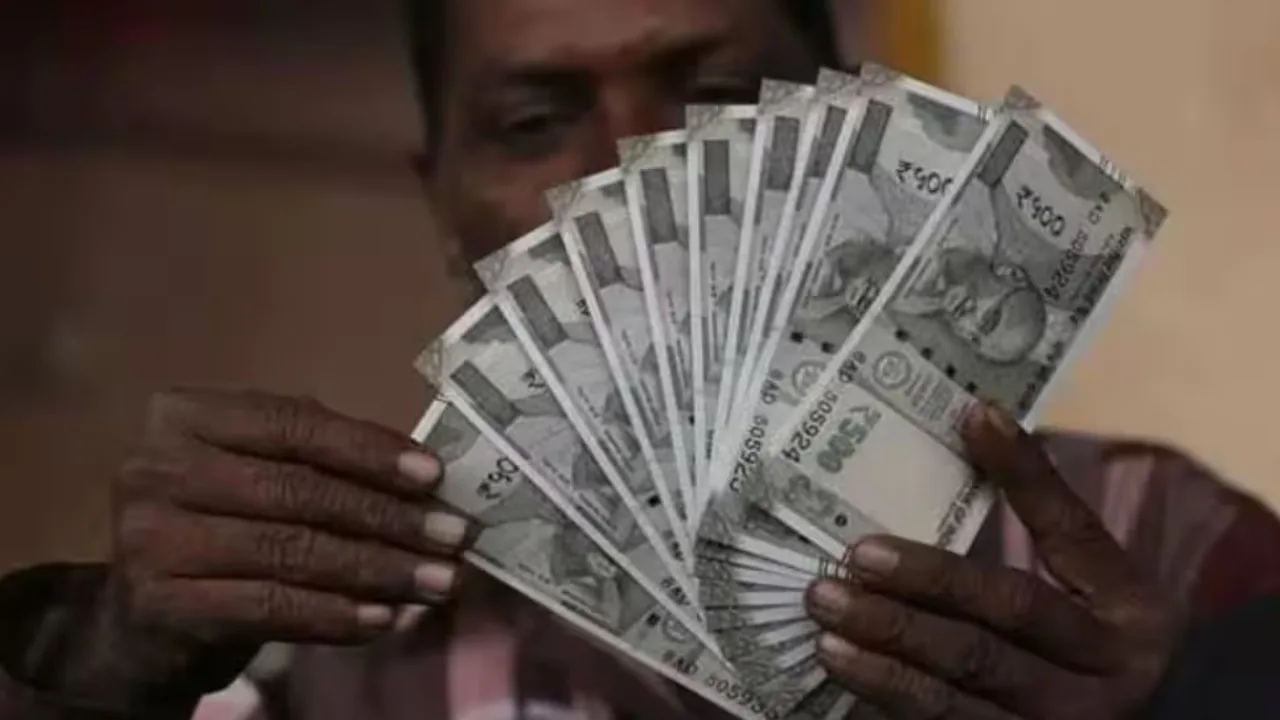
DA Hike 2026: Millions of central government employees and pensioners have been eagerly awaiting a hike in their dearness allowance (DA) for quite some time. The government usually announces a DA hike around Holi, but this time, despite the beginning of April, the announcement hasn’t been made. However, employees and pensioners may soon receive good news.
According to a report by News18 English, the Union Cabinet meeting scheduled for the second week of April is likely to approve the proposal for a DA hike. The most comforting aspect for employees is that this increase will be effective from January 1, 2026. This means that the pending arrears will also be paid to employees at the same time.
Central government employees currently receive a dearness allowance of 58%, which could increase to 60% after this revision. This will increase their take-home salary. While this increase may appear to be just 2%, it will provide significant financial relief to middle-class families in this era of rising inflation.
The reason for the delay in announcing the DA hike is related to the transition between the 7th and 8th Pay Commissions. The 7th Pay Commission’s term officially ended on December 31, 2025. Effective January 1, 2026, the salary system for central government employees has theoretically come under the purview of the 8th Pay Commission, which has led to ongoing discussions regarding the calculation rules.
The 8th Pay Commission was constituted in November 2025, but the government has given the Commission ample time of 18 months to submit its final recommendations. During this transition period, the government faced the challenge of whether to pay DA using the old system or adopt a new formula. It has been decided that until the new commission submits its report, employees will continue to receive dearness allowance according to the current formula.
This will be the first increase since the end of the 7th Pay Commission and the beginning of the 8th Pay Commission era. This decision will directly impact the financial situation of over 10 million central government employees and pensioners. These small changes made during the Pay Commission change will play a crucial role in determining employees’ basic salaries and other allowances in the future.
Typically, when a new pay commission is fully implemented, the accumulated DA up to that time is merged into the basic salary. DA calculations are then restarted from zero, resulting in a significant increase in employees’ salaries. Therefore, this current 2% increase will provide a strong and important basis for future salary revisions and restructuring.
The second week of April could bring joy to millions of families already suffering from inflation. This decision from the central government is being eagerly awaited not only by serving employees but also by elderly pensioners who desperately need this additional amount for medicines and daily expenses.
Latest News
- LSG Vs PBKS Video: ऋषभ पंत पर भड़के अर्जुन तेंदुलकर! वीडियो देखकर आप भी रह जाएंगे हैरान

- Apple MacBook Neo Deal Alert: Get It For Under ₹58,000 on Amazon Right Now

- Pakistan Attack: आत्मघाती हमले से दहला पाकिस्तान, 23 लोगों की मौत, 50 से ज्यादा घायल, जानें

- Honor Magic 9 Series Leaks: Flagship Upgrades with Massive 8,000mAh Battery and 200MP Cameras

- Motorola Edge 60 Fusion Review: Mid-Range King or Outdated?

- FD Update– Breaking Your FD Early? Know the consequences
- Bank Holiday–RBI Announces Closure of SBI, HDFC and All Banks Next Week, Save the Dates

- Samsung Galaxy S26 Ultra Amazon Deal – Get ₹23,509+ Discount with Bank Offers and Exchange Benefits

- Best Scooters For College Girls 2026 – Perfect Mix Of Mileage, Style And Lightweight Design

- Kodak Matrix QLED Google TV 2026 Series Launched in India Just Under 10,999