


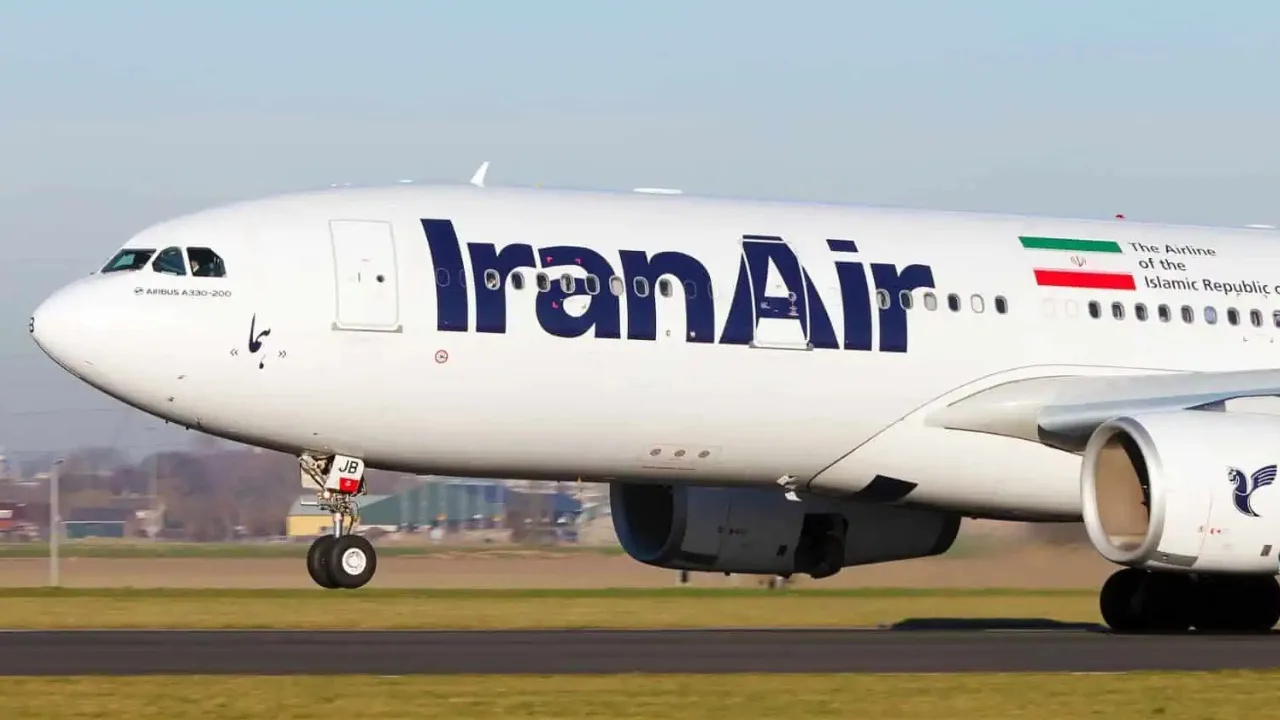
Iran Flight: The escalating tension between Iran and the United States shows no signs of abating. Both countries express a desire for peace talks to end the conflict, yet provocative actions continue to stoke the flames of war. Iran’s presentation of six conditions to the US for initiating talks to halt the war irked President Donald Trump.
In response, US Treasury Secretary Scott Bessent announced that all Iranian airlines would cease operations globally within a week, rendering their fleets useless. Threats of doubling tariffs on companies aiding Iranian airlines were also issued by the US. Bessent emphasized that without fuel, landing services, or ticket sales, Iranian aircraft around the world would be grounded, with a deadline of September 23rd set for this action.
The US has faced significant financial losses in direct confrontations with Iran, amounting to a sum comparable to Nepal’s GDP. Efforts are underway to find strategies to weaken Iran. In the midst of this, Iran has tightened control over the vital Strait of Hormuz, impacting global affairs.
Iran has declared its readiness for an extended conflict with the US, with the Islamic Revolutionary Guard Corps (IRGC) asserting its heightened state of preparedness. IRGC spokesperson Hossein Mohebbi stated that Iran is more prepared than ever for a prolonged war. Mohebbi described recent events as a “historic and humiliating defeat” for the US, citing setbacks in reopening the Strait of Hormuz, the weakening of American military bases and intelligence infrastructure in the region, and the exposure of US military technology against Iranian capabilities. He contended that the US has not just lost a war but its entire system, leading to diminished influence in the region. Mohebbi highlighted Iran’s role in constructing a new security framework in the area.