

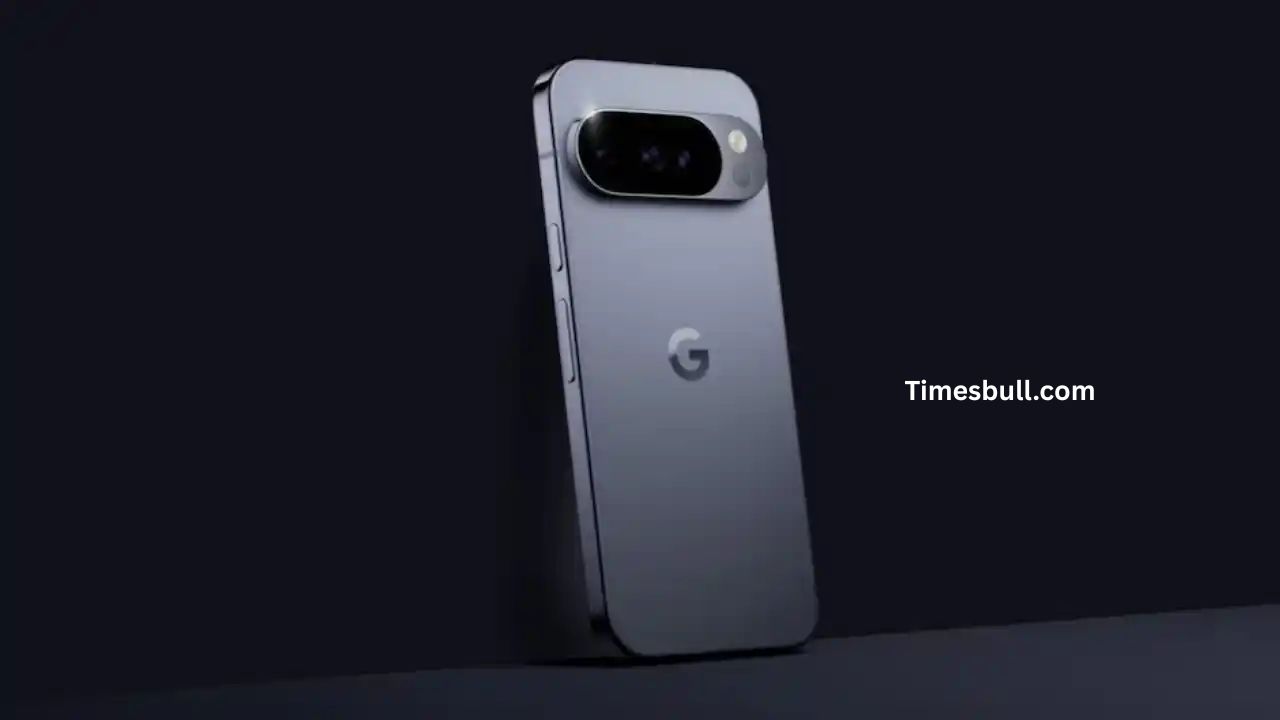
Pixel 10 series: Google’s most refined series yet, the Pixel 10 series features enhanced displays, the Tensor G5 chip, Qi2 wireless magnetic charging, and additional AI-based features such as Magic Cue, Camera Coach, and Pixel Journal. Notwithstanding these improvements, though, the Pixel 10, Pixel 10 Pro, and Pixel 10 Pro XL aren’t for everyone. Some sacrifices in performance, hardware, and usability mean some people might need to think twice before upgrading.
Read More: Honor Magic 7 Pro vs OnePlus 13: Hidden Gems of Android
Performance Shortcomings with the Tensor G5
Google’s Tensor G5 processor remains focused on AI and efficiency over pure performance. As good as it is compared to its predecessor, the Tensor G4, it trails the Snapdragon 8 Elite and Apple A18 Pro. In AnTuTu, it scores approximately 1.2 million, which is in stark contrast to the Snapdragon’s 2.2 million+ score. GPU power remains an Achilles heel, which means it is not as suitable for extreme gaming, rendering, or multitasking. Heat management is also a concern, where the phones get hotter with higher load levels than their peers.
Cameras Without a Big Leap
Google’s camera software sophistication still prevails, but the hardware aspect hasn’t changed much. The Pixel 10 features a telephoto lens on the non-Pro, but the primary and ultra-wide sensors are downgraded from the Pixel 9. The Pro models stick with the same arrangement as the Pixel 9 Pro lineup, depending on software adjustments such as Auto Best Take and Camera Coach. These assist in shots, but they do not offer a genuine break in picture quality. For users who are upgrading from a Pixel 8 Pro or a Pixel 9 Pro, the difference will probably seem negligible.
eSIM-Only Issues for Travelers
Within the U.S., Google has moved the Pixel 10 series to eSIM-only, eliminating the physical SIM tray. For heavy travelers or SIM switchers, that is a significant disappointment, as eSIM support still differs across international carriers. Though India maintains physical SIM support currently, the trend implies future Pixels will eliminate SIM trays. Anybody relying on dual SIM use or regular SIM swapping might find this annoying.
Battery and Charging Remain Average
Even with good capacities of 4970mAh on Pixel 10, 4870mAh on Pro, and 5200mAh on Pro XL, battery life fails to match competitors. Charging is limited to 29W (Pixel 10) and 39W (Pro XL) wired, while wireless tops out at 15W or 25W with Pixelsnap Qi2 support. In contrast to OnePlus, Xiaomi, and Samsung, offering quicker wired and wireless charging, Google’s speeds seem archaic. Adding insult to injury is that no charger comes in the box.
AI Features Still in the Works
AI is the core of the Pixel 10 lineup, with features such as Magic Cue, Add Me, Camera Coach, and Pixel Journal. Useful in certain situations, these features are not perfect. Add Me is inconsistent under low light, Camera Coach can malfunction in high-scene complexity situations, and Pixel Journal too often sounds generic. Limited language support and the occasional glitch also detract from the experience. Google will probably enhance these features with future upgrades, but early adopters looking for perfection might be disappointed.
Verdict: Who Should Wait?
For Pixel 8 Pro and Pixel 9 Pro owners, the Pixel 10 series offers incremental updates only. For those who value pure performance, camera innovation, or quicker charging, they might as well pass on this generation and consider other options such as the Galaxy S25 Ultra or Xiaomi 15 Ultra. The Pixel 10 series offers optimized software, intelligent AI features, and extended support, but it falls short in performance, battery life, and global access.