


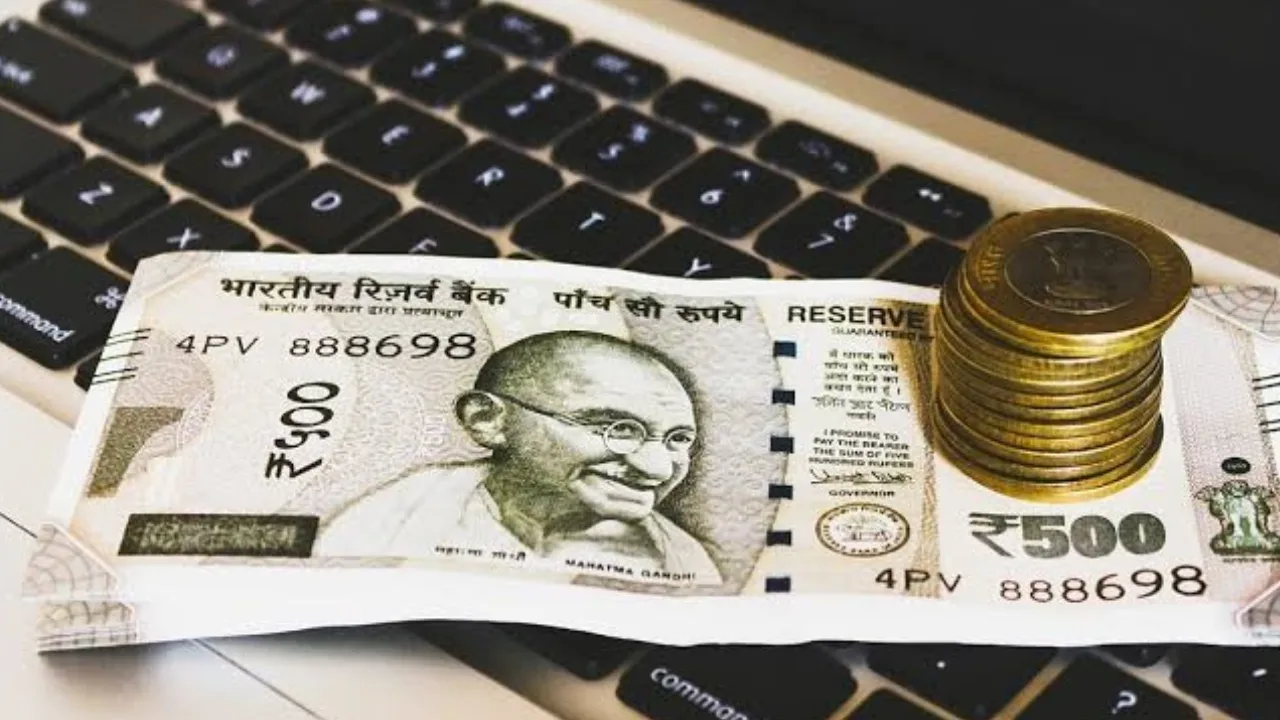
Digital Rupee: Big news for everyone. What is UPI? The pioneer of UPI is on the verge of making an appearance. Amongst the discussions about UPI charges, the significant transformation that has been evolving in the nation for years has been overlooked. Indeed, a revolution is imminent. This revolution has the potential to resolve all the current chaos. This revolution is known as the digital rupee. The ongoing commotion regarding UPI transaction fees may become insignificant if the digital rupee is introduced. Yes, the digital rupee.
As you may recall, during the 2022 budget speech, the Finance Minister disclosed India’s plans to introduce a digital rupee. Approximately 4.5 years have passed since then, and by the upcoming budget, it will have been five years. Progress is being made on this initiative. A trial project is currently in progress and is anticipated to be fully operational soon. But what exactly is this digital rupee, which has been in development for 4-5 years? What advantages will it offer? What does the digital rupee signify? Does it imply that we will be capable of making digital payments?
From one mobile device to another? Isn’t that what UPI facilitates? Therefore, is it essentially UPI? No, it is essential to comprehend the distinction between digital currency and UPI. Will it resemble online banking? What is the idea behind the digital rupee? No, digital currency transactions do not equate to online banking. This is because digital currency transactions do not necessitate the use of the internet or banking services. It is crucial to grasp this concept: no bank account or internet connection is required. You may wonder, if you wish to make a digital payment to a merchant, why would you not need the internet? How will the funds reach the merchant’s account?
The reason for this is that the money will not be transferred to their account. So where will it go? It will be directed to their phone, or in simpler terms, their digital wallet. This will revolutionize the entire realm of transactions. Consider this as a groundbreaking transformation. This is why extensive efforts have been dedicated to this for many years, and testing is currently ongoing in pilot schemes. Therefore, it is crucial to comprehend this thoroughly.
You are already familiar with the UPI dispute. The rationale behind the levy on UPI transactions is that each phase of a UPI transaction incurs a cost. This is because UPI transactions involve numerous computers communicating with each other. When you initiate a payment using UPI, a series of steps take place. You send a payment request through your app, which is then transmitted to NPCI, the Payments Corporation. Subsequently, it is forwarded to your bank. The bank verifies your account, deducts the payment, and notifies NPCI that the funds have been debited. NPCI then informs the recipient bank about the payment. The recipient bank credits the funds to the account and notifies NPCI. Finally, you receive confirmation of the payment, and the recipient is also notified.
How Digital Rupee is the Precursor of UPI?
This cycle continues throughout the day, with all bank accounts being reconciled to determine the owed amounts between each bank. This complex process involves a multitude of messages being exchanged between computers before the transaction is completed. Although it occurs swiftly, within seconds, it entails the participation of five entities: the payer, the payer’s bank, the recipient, the recipient’s bank, and NPCI, the Payments Corporation of India, which facilitates the communication between all parties. However, envision a scenario where your funds are directly transferred to the merchant without any bank intermediaries? You could liken it to cash. You take out a bill from your wallet, and the merchant places it in their cash register. What if this cash was digital?