


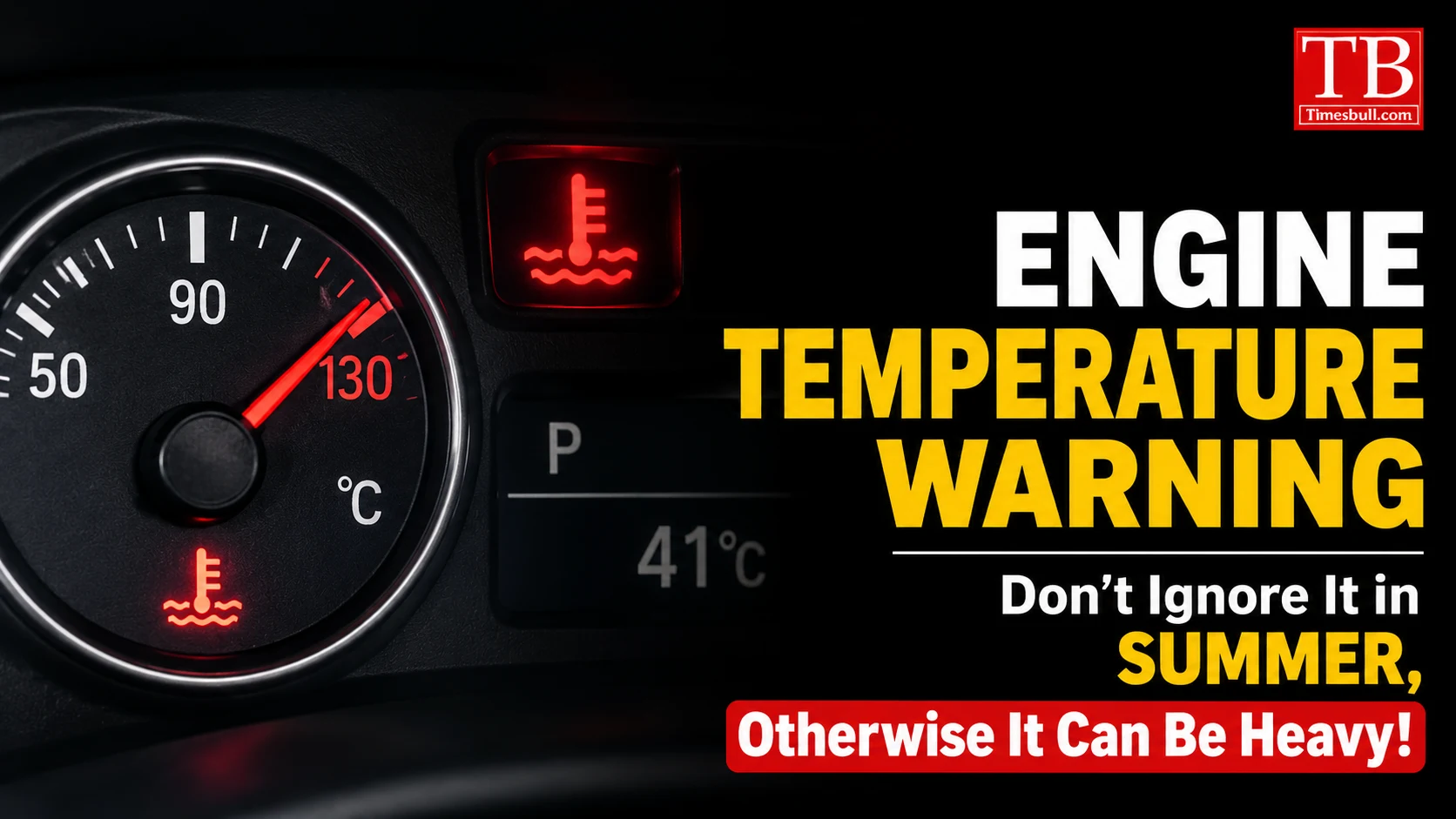
Engine Temperature Warning (left)
It looks like the icon of a light thermometer. When it burns, it means that your engine is getting too hot. In summer, this light often burns because the hot air outside does not allow the engine to cool down and the coolant level decreases rapidly.
If this light burns, stop the car immediately in a safe place, turn off the engine and let it cool down for about 15-20 minutes. Keep in mind, never put coolant or water in a hot engine - doing so can cause the radiator to explode and burn you.
Ignoring this light is most dangerous as it can blow the head gasket of the engine, which costs thousands of rupees to repair.

Oil pressure light (left)
It looks like the icon of an oil can. Burning of this light means that the pressure of the engine oil has decreased or there is a lack of oil in the engine. In summer, the oil becomes thinner and its lubrication decreases, which can cause this light to burn.
If the light is on, turn off the engine immediately. When the engine is running without oil, the metal parts start rubbing against each other and the entire engine can be seized.
This can be one of the most expensive repairs. Check the oil level immediately and if it is low, add the right grade of oil. If the oil is full but the light is still burning, it could be a malfunction of the oil pump or sensor and you should go to the service center.

Battery Light (E)
This light with the battery icon indicates that there is a problem with your car's charging system. It may be that the alternator (which charges the battery) is damaged or the battery is about to run out.
The battery suffers the most during summer. At high temperatures the battery fluid evaporates quickly and the chemical reaction is accelerated, thereby reducing the battery life.
If this light burns out while driving, it means that your car is running on battery and may soon shut down completely. Turn off the AC, radio and other electrical loads immediately and go to the nearest service center or battery shop.
The possibility of battery failure doubles in the summer, so keep getting the battery checked from time to time.
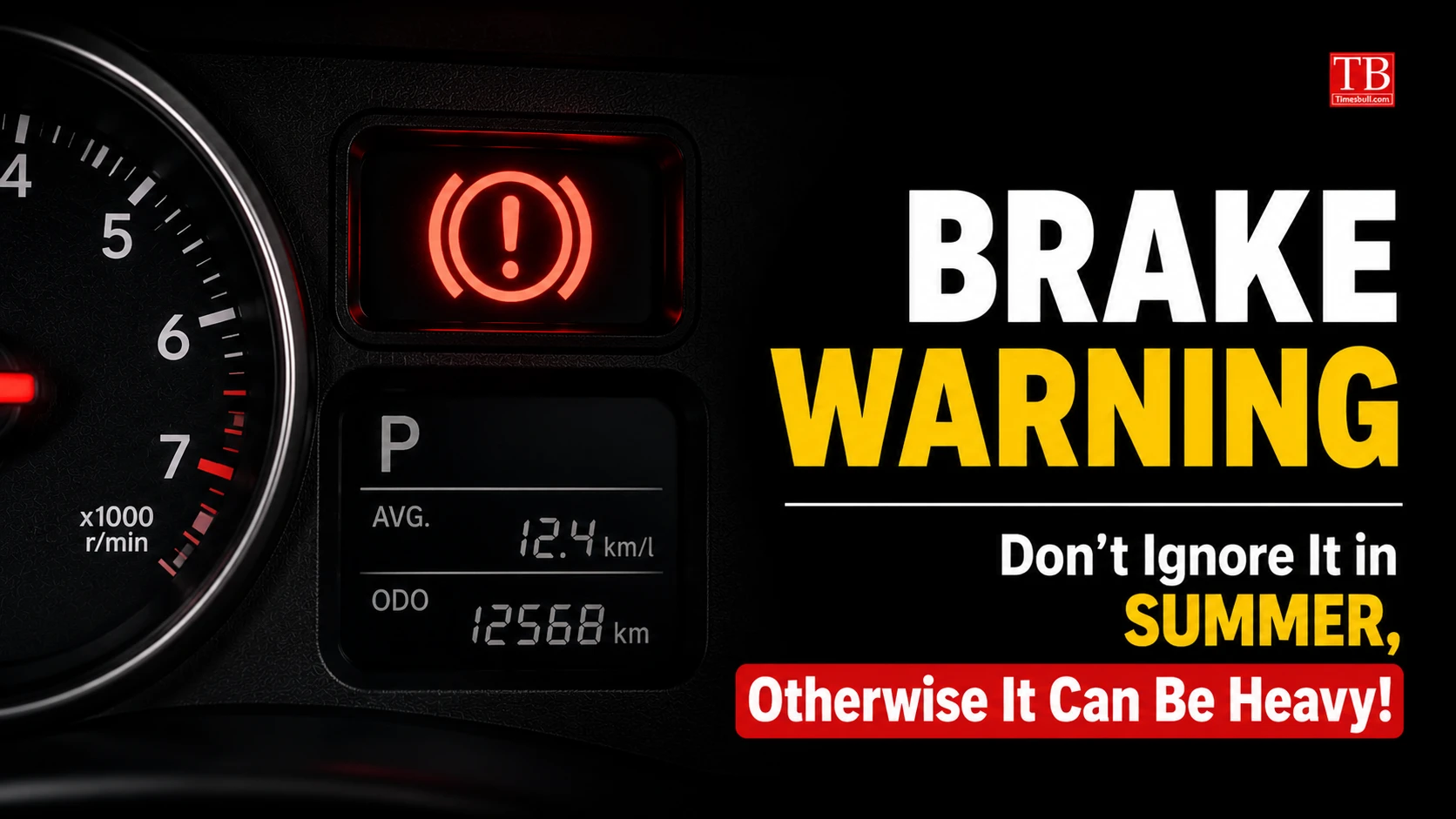
Brake warning ()
This is a great exclamation mark (i.e., "! "Mark) or else looks like the word" BRAKE. " If this light flashes, two things can happen - either you have the handbrake on and forgot to remove it, or the brake fluid level is low.
In summer the viscosity of the brake fluid may change and its level may also fall. If the light does not go off even after removing the handbrake, check the brake fluid immediately.
If the fluid is low, air can get into the brake system and there is a risk of brake failure. Brake system is one of the most important safety features of a car. Never take this warning lightly. If there is less brake fluid, pour the right grade of fluid and make the system bleed.
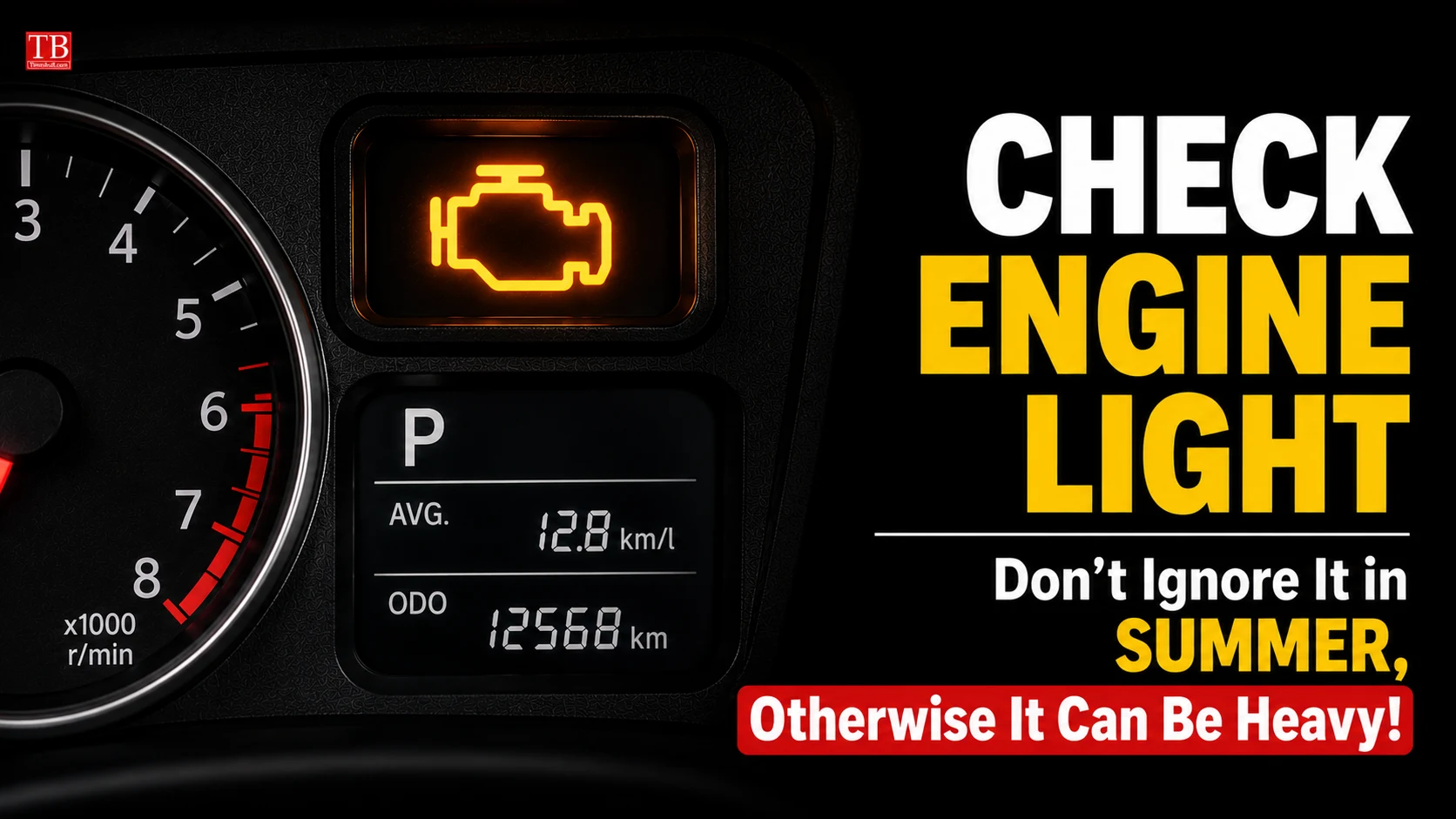
check engine light (left)
This is probably the most common and confusing light of the car dashboard. It looks like the outline of the engine and when it burns, it means some kind of problem in the engine or the emission system. It can be yellow or red.
A yellow check engine light means there is a problem but not an immediate danger, while a red check engine light shows a more serious situation.
In the summer, there may be a malfunction in the fuel system, engine sensor or emission control system that causes this light to burn.
If the light is flashing (flickering) then stop the car immediately as it means the engine is misfiring and there could be more damage. For stationary (constantly burning) lights you can drive carefully, but as soon as possible get a diagnosis from the OBD-2 scanner to find out which system or sensor is malfunctioning.
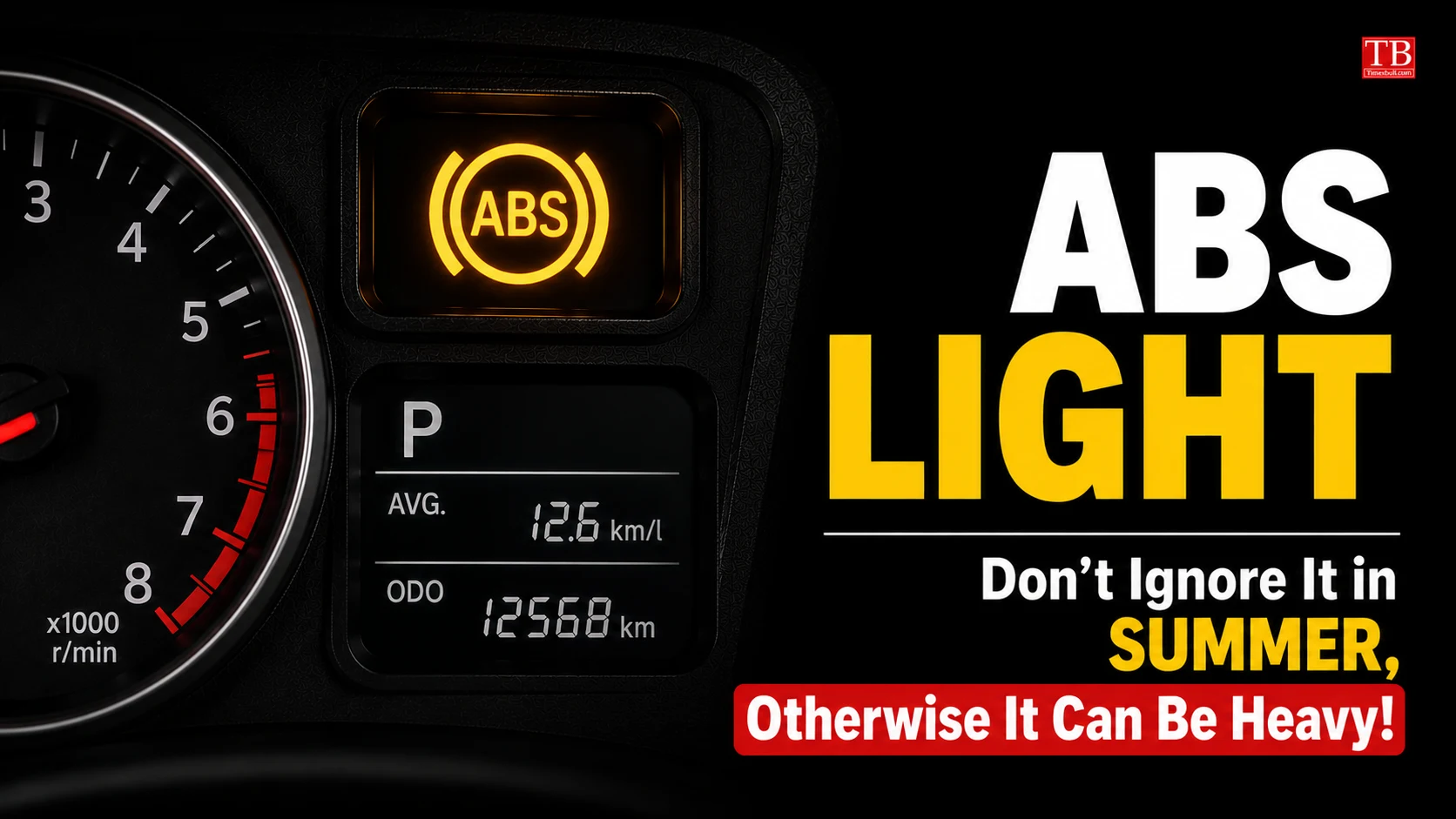
ABS Light
Anti-lock Braking System (ABS) is a safety system that prevents the tyre from locking up when braking suddenly and maintains steering control. When the ABS light lights up, it means that there has been a malfunction in this system.
If this light burns out, your brakes will still work (because the normal brake system is different) but the anti-lock feature will not work. That is, drive carefully on slippery or wet roads like a car without ABS.
In the summer, the wiring and sensors can be affected by heat, which can cause this light to burn.
This light can also come from dirt or dust accumulating in the ABS sensor, so sometimes just cleaning the problem is also corrected. When this light is lit, go to the service center as soon as possible and check the system.
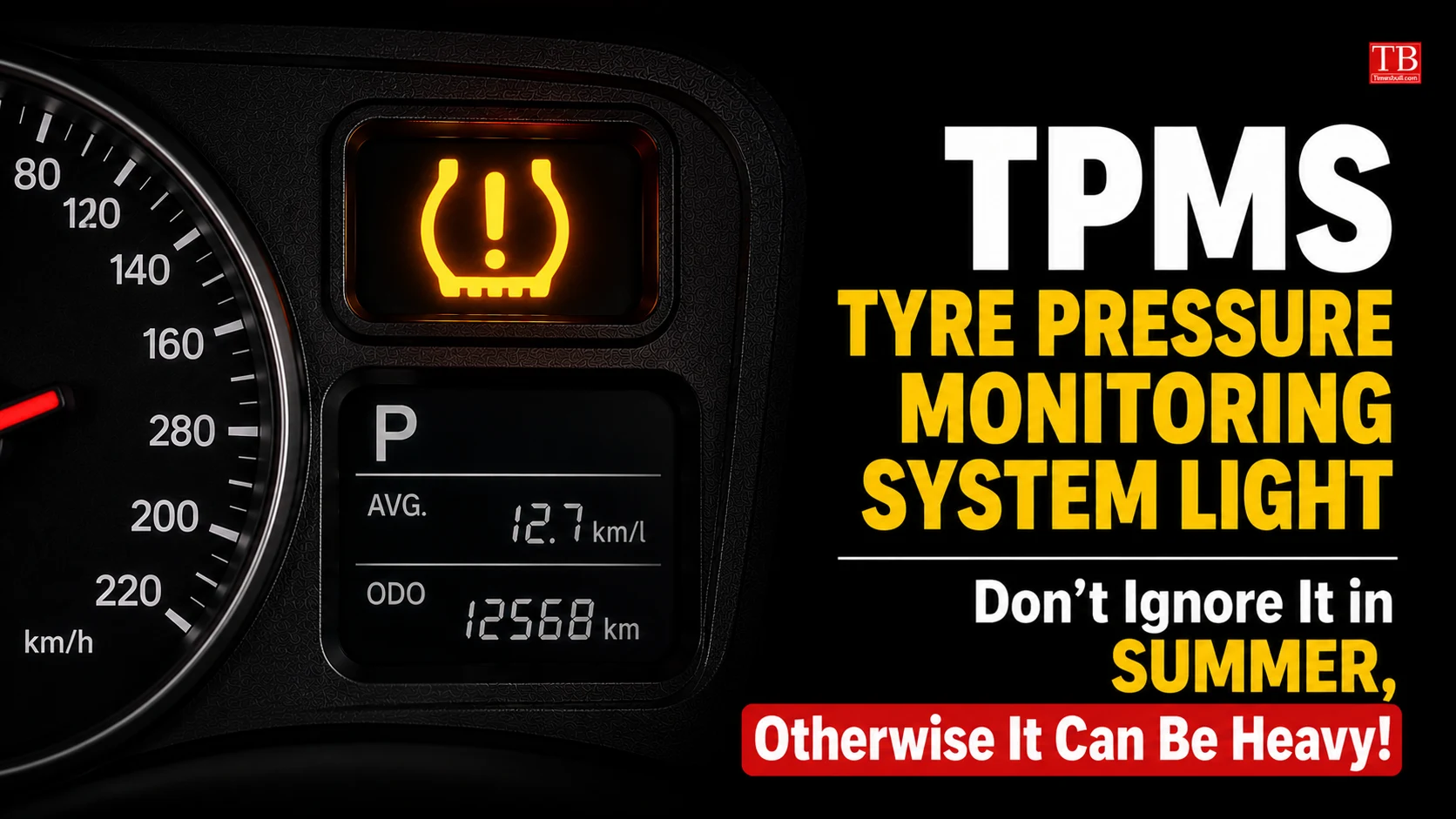
Tyre pressure monitoring system (TPMS)
The light looks like an exclamation mark with a tyre icon and indicates that the air pressure in a tyre has become low or high.
This light often burns out in the summer because the air in the tire expands in the summer (hot air expands) causing the pressure to become abnormal. If the pressure is too high, there is a risk of tyre blowout, especially at high speeds.
When the lights come on, check the pressure of all four tires - but in the morning on cold tires or after the car has been parked for at least 3 hours. The pressure in hot tires is always high, so checking the pressure in the heat can lead to inaccurate readings.
It's a good habit to check tire pressure once every single month. Also check the tread depth of the tires and whether there is any crack or bulge on the sidewall.
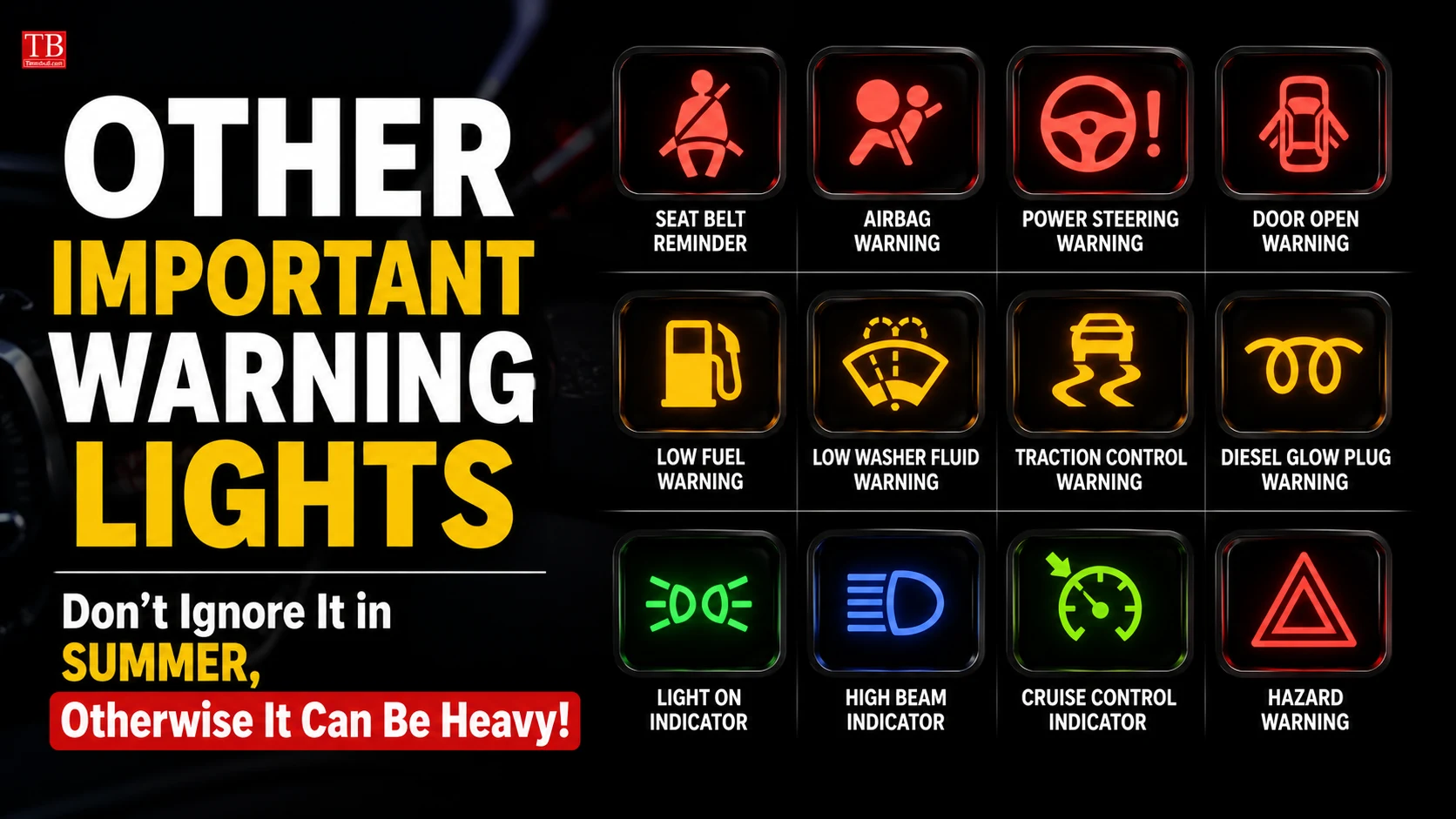
Other important warning lights
Airbag Light (E) - If it burns, there is a problem with the airbag system and the airbag may not open when the accident occurs. Get service immediately.
Traction control light (left) This light indicates that the grip of the tires is decreasing or there is a fault in the system. On a slippery road, this light is often lit or extinguished - this is normal. If it continues to burn, there may be a malfunction in the system.
Low Fuel Light - This indicates that there is very little fuel left in the tank. Petrol-diesel evaporates quickly in the summer, and driving on low fuel can cause the fuel pump to heat up and malfunction. Fill the tank before it is half full.
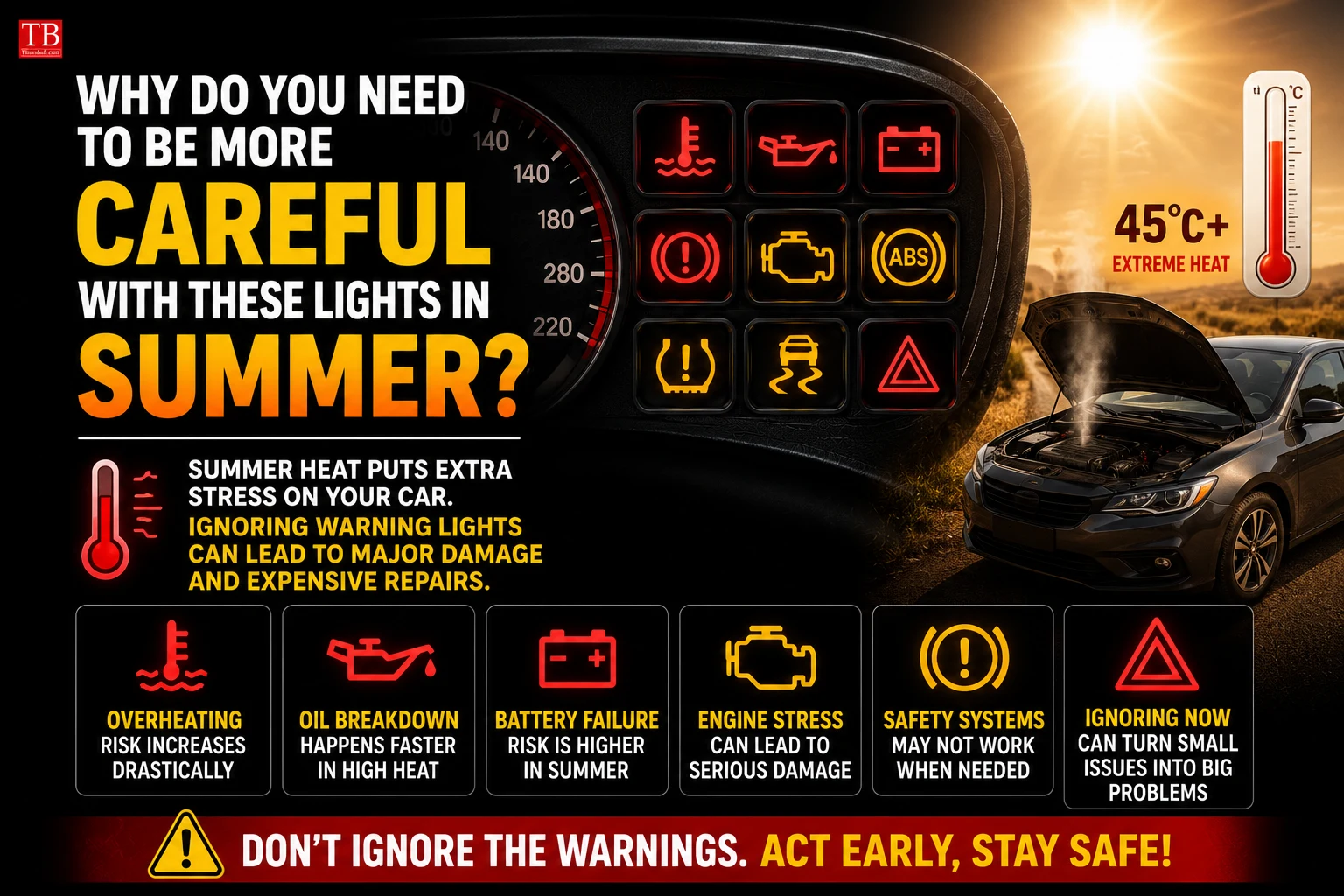
Why do you need to be more careful with these lights in the summer?
Summer is the most difficult time for vehicles. The temperature of the engine increases even more when the outside temperature is 40-45 degrees. The cooling system is overburdened and the coolant is quickly exhausted.
As the battery fluid evaporates, the capacity of the battery decreases and it can suddenly die. The air in the tires expands as it heats up, increasing the pressure and increasing the risk of blowout.
Also, the heat dilutes the engine oil thereby reducing the lubrication of the engine interiors.
The brake fluid is also affected by heat and its boiling point is reduced, which can cause the brakes to fade. All sensors and wiring are also affected by heat, which can sometimes lead to false warnings. Therefore, regular maintenance and immediate attention to these warnings becomes even more important in the summer.