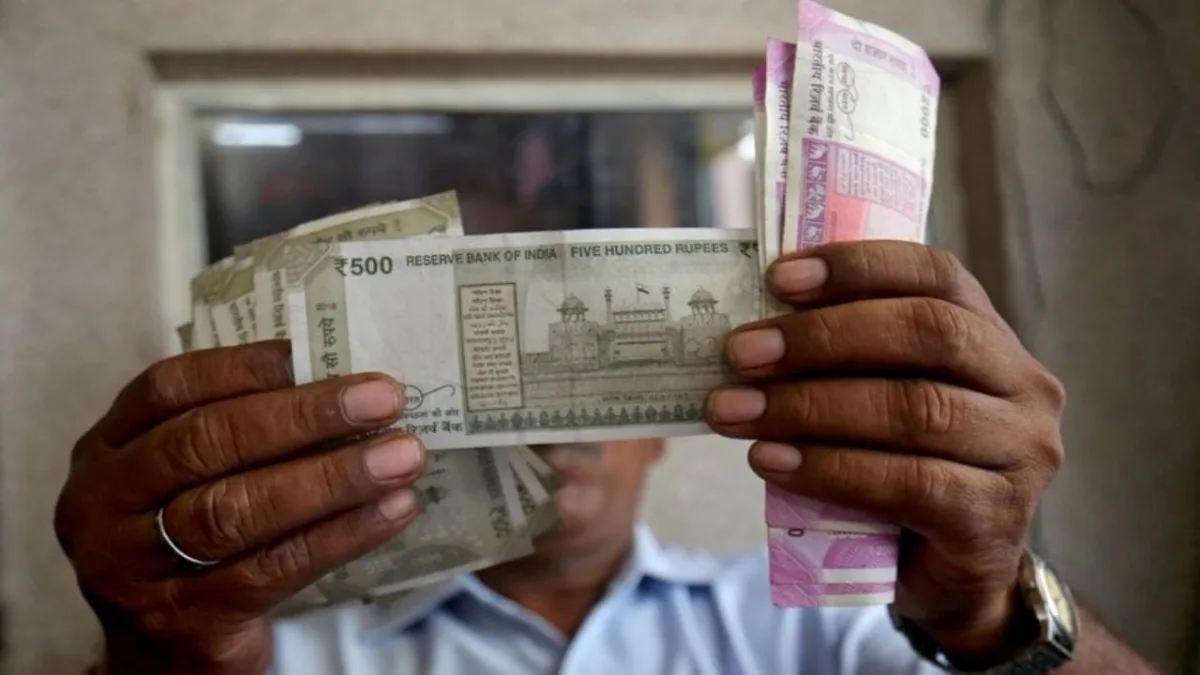
There’s been a long-standing push to raise the minimum pension for private sector workers under the Employees’ Provident Fund Organisation (EPFO). Back in September 2014, the government set the minimum pension at Rs 1,000 through the Employees’ Pension Scheme (EPS) managed by the EPFO. Employees contribute 12% of their basic salary to the Provident Fund, and employers match that amount. Out of the employer’s contribution, 8.33% goes to the EPS, while 3.67% is put into the EPF account.
Pensioners’ group EPS-95 Aandolan Samiti has mentioned that Union Labor Minister Mansukh Mandaviya has promised to take timely action on their requests, including the minimum pension under EPS-95. According to a statement from the group, the government has shown a positive attitude towards the long-standing demands of over 78 lakh pensioners under the EPFO nationwide.
In addition to raising the minimum EPS pension, the pensioners’ group is also asking for free medical services for retired employees and their spouses, as well as corrections to errors in applications for higher pension benefits.
The statement noted that the minister assured the delegation that these issues would be resolved soon.
The EPS-95 National Movement Committee (NAC), which has been advocating for pensioners’ rights for years, expressed that recent talks with the government have sparked hope that the minimum pension under EPS-95 will finally see an increase after a decade.
Is there going to be a rise in the minimum pension in 2025?
As we gear up for Budget 2025, a group of retired EPS-95 employees had a chat with Finance Minister Nirmala Sitharaman, pushing for an increase in the minimum pension to Rs 7,500 a month, plus a dearness allowance (DA). The EPS-95 National Movement Committee mentioned that the Finance Minister promised to take their requests into account.
For the past 7-8 years, pensioners have been consistently asking for a boost in their pension. They’re looking to raise the current Rs 1,000 to Rs 7,500, along with DA benefits. Additionally, they’re also advocating for free medical services for retired employees and their spouses.
Latest News
- Bank Holiday Alert: अगले सप्ताह कितने दिन बंद रहेंगे बैंक? जाने से पहले चेक करें लिस्ट

- PAN Card–From Banking to Property Deals, Major PAN rules changed
- New Triumph Street Triple 765 RX Is Here – Limited Edition Track Monster Unveiled

- Best Budget Tablets for Students 2026 Under 20,000

- Free Bus Travel for Women Starts June 1, Know ID Rules and Many More

- How to Replace Siri with ChatGPT on iPhone: Step-by-Step iOS Setup

- Petrol-Diesel Price Today: 24 मई को कितना बदला पेट्रोल-डीजल का भाव, चेक करें 1 लीटर की कीमत

- White House Firing: व्हाइट हाउस के दरवाजे पर 25 राउंड फायरिंग से मची खलबली, संदिग्ध हमलावर की मौत

- Tata Tiago Facelift Launching Soon – Aggressive Design And High-Tech Cabin Revealed

- LPG Gas Connection Transfer Made Easy, Learn the Complete Process