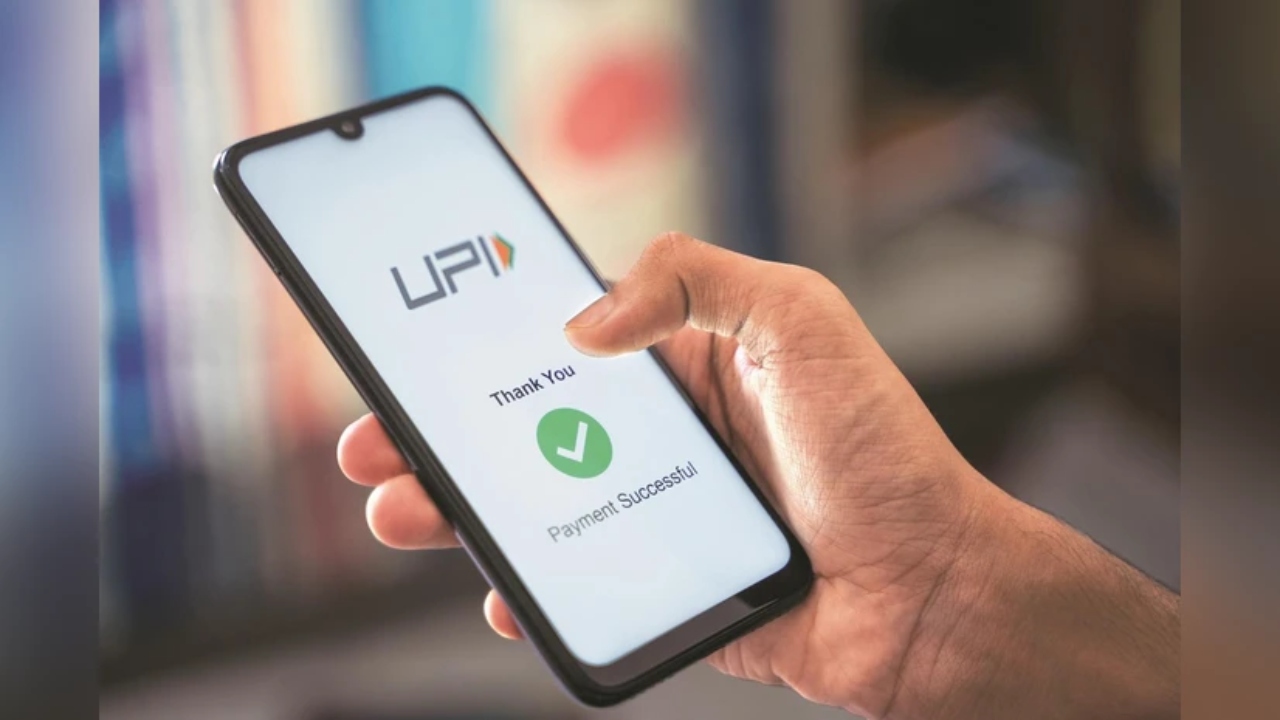
UPI Credit Line: Digital payments have really simplified our lives. No more dealing with cash or cards; just scan with your phone and you’re good to go. There’s been a lot of talk about UPI Credit Line for quite a while now. Thanks to UPI Credit Line, soon customers will be able to make payments via UPI even if their account balance is zero. A report mentions that major private banks like Axis Bank, HDFC Bank, and Kotak Mahindra Bank are gearing up to roll out this service. Let’s dive into what UPI Credit Line is and how it can benefit everyday people and banks.
What is UPI Credit Line?
This is a type of microcredit option. Banks can lend money to customers up to a specific limit. The coolest part is that you can still make payments using the UPI credit line even if your account balance is at zero. You’ll pay this amount back later with interest. The UPI credit line works like a credit card but without needing a physical card. NPCI introduced it in September 2023, and now major banks are starting to implement it on a large scale.
This new feature could be a game-changer for regular folks. It can help with unexpected costs like medical emergencies, booking tickets online, or paying bills, providing quick relief. Small credit amounts, between Rs 1,000 and Rs 20,000, will be easily accessible. Forget about card issues; you can access credit limits directly through the UPI app. Making timely payments will help build your credit history, paving the way for cheaper loans, better credit cards, and easier EMIs.
Why are banks ready to roll now?
Banks have been thinking about this new feature for a while. They were worried about how the interest rate would be set, if there would be a period without interest, and how small loans would be paid back. But now that the RBI and NPCI have laid out the rules, big players like HDFC and Axis are gearing up to launch it alongside fintech companies.
UPI credit lines aren’t just another feature; they represent a significant shift in the digital payment landscape. They’ll offer instant relief to customers and create fresh opportunities for banks. In the coming months, they could become an essential part of our daily routines.