
Want ₹1 Crore Through SIP? Here’s How Much You Need to Invest Every Month
There are several mutual funds, including SBI, HDFC, and UTI, that generally perform well. As a result, investors can earn good returns by investing in these funds for the long term. However, according to experts, SIP is more profitable than investing a lump sum amount.

 Join Us
 Add as a preferred
There are several mutual funds, including SBI, HDFC, and UTI, that generally perform well. As a result, investors can earn good returns by investing in these funds for the long term. However, according to experts, SIP is more profitable than investing a lump sum amount.
It is possible to earn crores of rupees from mutual funds. No, this is not a myth — you can get such returns in a short time. But it is important to invest in the right place. In this report, find out where to invest and how to get big returns.
Experts say it is important to start investing at a young age. Investing early allows you to take more risks and earn better returns. As you grow older, risk-taking becomes difficult. There are several investment options where you can earn crores if you invest wisely. Let’s find out where to invest and how to grow your money.
Mutual Fund Investment: How to Earn Crores Through SIP
Many mutual funds like SBI, HDFC, and UTI perform well. You can get good returns by investing in them for the long term. But experts say SIP (Systematic Investment Plan) is better than a lump sum. In SIP, the number of units changes with the market price. When prices go down, you get more units. This makes SIP more profitable than a one-time investment.
How to Get Crores from SIP
Young investors often want high returns fast. Many dream of earning crores. Experts say it is possible if you invest the right amount and start early. With a 12% return and regular investment for 30 to 35 years, you can build wealth worth crores.
Example of SIP Returns
Online SIP calculators like the Groww MF Calculator can help. Suppose you invest ₹5,000 every month in a mutual fund with a 12% return. After 30 years, your amount will be around ₹1.76 crore.
Your total investment will be ₹18 lakh. The profit or interest will be ₹1.58 crore. Together, the total becomes about ₹1.76 crore.
Mutual Fund Risk
Mutual fund returns depend on the market. If unit prices go up or down, your return will change. So experts advise investing for the long term and staying patient to reduce risk.
Avijit
Next Article
IPL 2026 Update: सीएसके का फिर बुरा हाल, अगले सीजन से इन खिलाड़ियों का कटेगा पत्ता!
कुछ ने बुरी तरह निराश भी करने का काम किया है. आईपीए 2027 के मिनी ऑक्शन से पहले सीएसके कुछ खिलाड़ियों का पत्ता काट सकती है. पांच ऐसे खिकाड़ी हैं जिनकी सीएसके से छुट्टी होनी तय मानी जा रही है. प्रशांत वीर का प्रदर्शन भी काफी खराब रहा है.

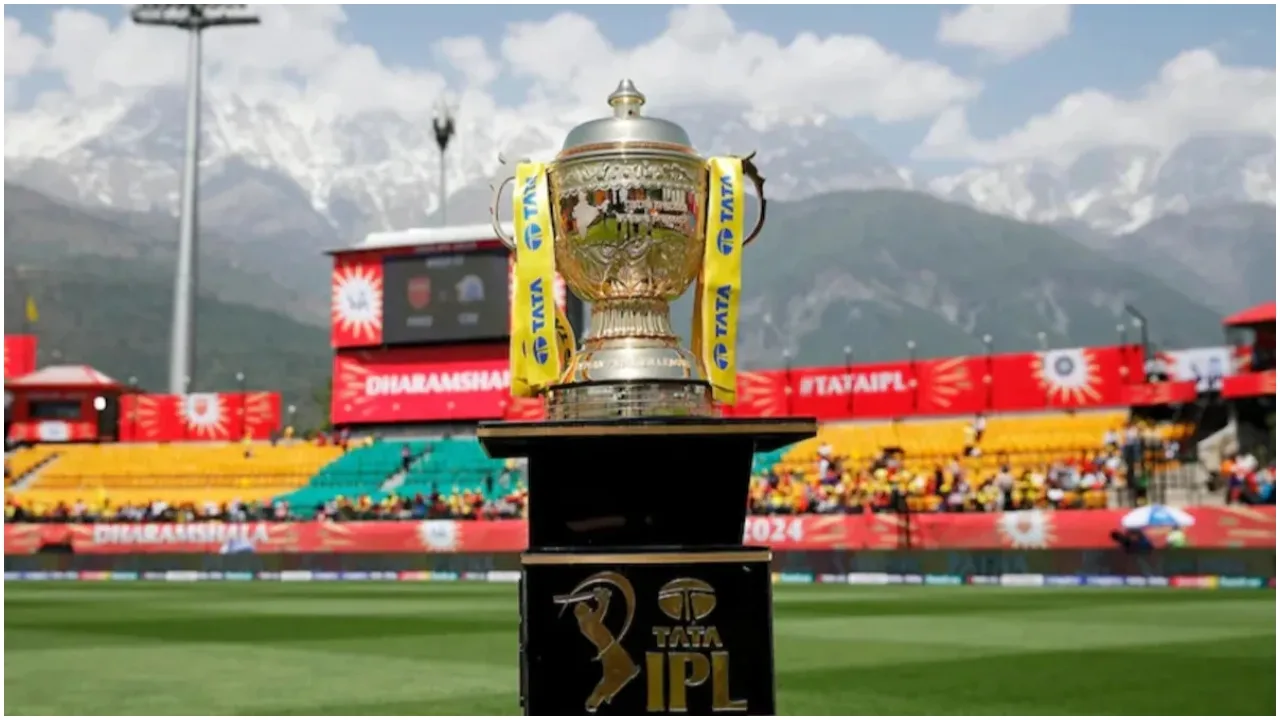
Players CSK Can Release: चेन्नई सुपर किंग्स के लिए आईपीएल 2026 सेशन भी किसी अभिशाप की तरह रहा है. अपने लीग स्टेज में भी सीएसके की टीम बाहर हो चुकी है, जिससे फैंस और खिलाड़ियों के चेहरे पर काफी निराशा देखने को मिल रही है. दूसरी तरफ सीएसके की टीम ने कुछ मैचों में काफी बढ़िया प्रदर्शन किया, जिन्होंने फैंस को प्रभावित किया है.
कुछ ने बुरी तरह निराश भी करने का काम किया है. आईपीए 2027 के मिनी ऑक्शन से पहले सीएसके कुछ खिलाड़ियों का पत्ता काट सकती है. पांच ऐसे खिकाड़ी हैं जिनकी सीएसके से छुट्टी होनी तय मानी जा रही है. प्रशांत वीर का प्रदर्शन भी काफी खराब रहा है. उन्होंने उन्हें 14.20 करोड़ रुपये में खरीदने का काम किया था. लेकिन उनके प्रदर्शन से टीम मैनेजमेंट काफी निराश है. 6 मैचों में उन्होंने मात्र 90 रन बनाए.
Write a Comment