Village Business:-Starting your own business while living in a village has become easier and more profitable than ever before. If you’re looking for a low-investment business that’s in constant demand, the fertilizer and seed business is the best option for you. Agriculture is the backbone of the Indian rural economy, and farmers need improved seeds and quality fertilizers every season. With proper planning and knowledge of government regulations, you can earn a substantial monthly income from this business. In this article, we’ll discuss in detail the licensing process, required investments, and every aspect of setting up a shop.
Why is a fertilizer and seed shop in a village easy
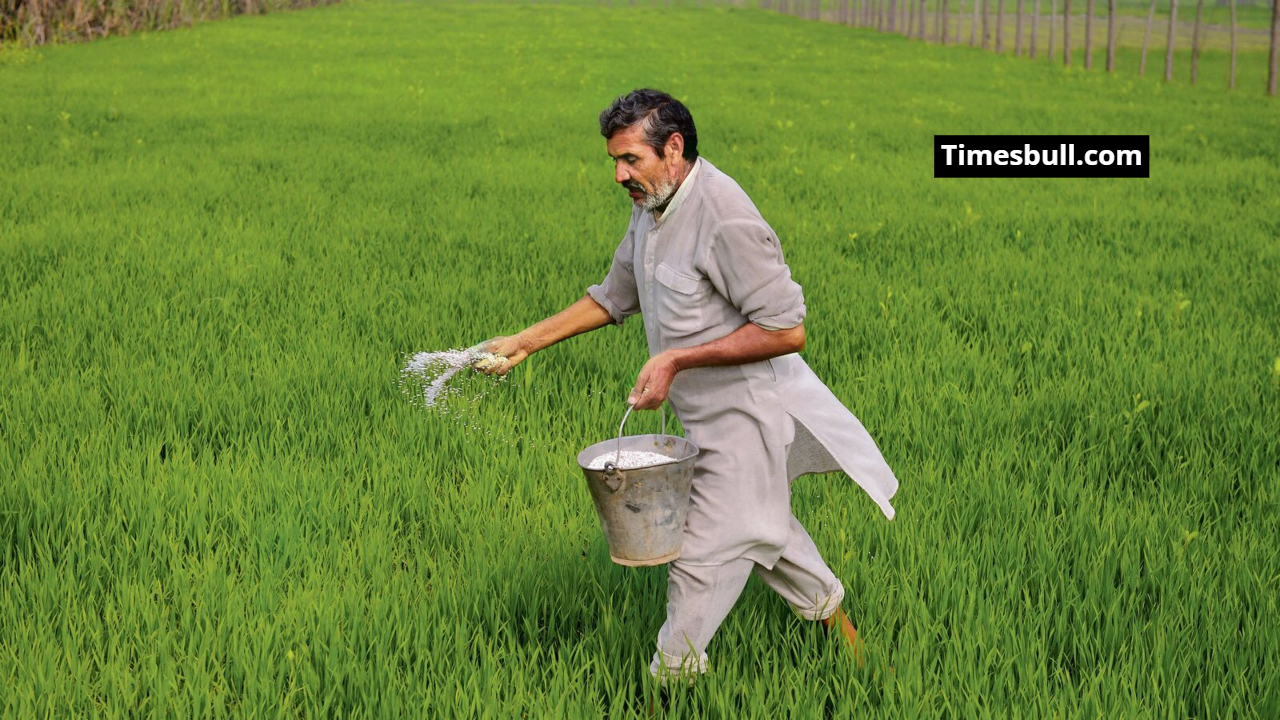
Agriculture is a sector that never stops. Every year, the demand for seeds and fertilizers skyrockets during the Rabi and Kharif seasons. As farmers move away from traditional farming and toward scientific and modern farming, they require hybrid seeds and specialized fertilizers. Opening such a shop in your village will not only provide you with a steady income, but you will also be able to contribute to the development of your area.
Do Market Research Before Starting a Business
The success of any business depends on its foundation. Before starting a fertilizer and seed shop, it is crucial to survey your area. You should determine the most cultivated crops in your area, such as wheat, rice, maize, or vegetables. You should also understand which companies’ seeds and fertilizers are most trusted by local farmers. Researching how many shops already exist in your area and how you can provide better service or reasonable prices significantly reduces the risk of your business.
Selecting the Right Shop and Warehouse
The location of your shop should be easily accessible to farmers. A location near a main road or grain market is considered most suitable. The shop size doesn’t have to be very large, but storage facilities should be very efficient. Protecting fertilizers and seeds from moisture is the biggest challenge, so your shop and warehouse should be completely dry and ventilated. Strong protection measures should be in place against rats and insects to ensure your valuable stock doesn’t spoil, and farmers always have access to fresh produce.
The Complete Fertilizer and Seed License Process
Selling fertilizers or seeds without government permission is completely illegal in India. A license from the Agriculture Department is mandatory. To sell seeds, you must register under the Seed Act, 1966, and comply with the Fertilizer Control Order (FCO) for fertilizers. The application process requires contacting the District Agriculture Officer’s office or applying online on the state’s agriculture portal.
For a license, you must provide your Aadhaar card, PAN card, passport-size photo, and legal documents for your shop or warehouse, such as a lease or ownership document. Many states now also require educational qualifications, such as a diploma or degree in agricultural science. After applying, department officials physically verify your shop and storage, and only if everything is found to be in order will a license be issued.

Where to buy goods and how to increase stock
After obtaining a license, you will need to coordinate with authorized companies or large wholesalers for the supply of goods. Always stock certified and branded seeds in your shop, as selling substandard seeds will not only ruin the farmer’s crop but also ruin your reputation. To increase profits, you can also stock pesticides, spray pumps, and small agricultural equipment in addition to fertilizers and seeds. This will make your shop a one-stop shop where farmers can find everything they need under one roof.
Marketing and Farmers Trust
In rural businesses, word-of-mouth publicity and trust work more effectively than advertising. Always provide farmers with goods at fair and transparent prices. Don’t just be a shopkeeper, but act as a consultant—telling them which seeds are best for which soil and when to use which fertilizers. Debt is a tough sell in rural businesses, so manage your credit accounts carefully to avoid sapping your working capital.
Latest News
- PM Kisan Samman Nidhi Yojana: नहीं मिल रही 2000 रुपये की किस्त तो किसान तुरंत करवा लें यह काम

- Aadhaar Card Update Rules – How Many Times Can You Change Address, DOB & Number?

- Train Ticket: How to book a confirmed train ticket without an agent? Learn the Easy Steps

- Indian Railways– 155 Trains Express Declared High-Speed, Thousands of Railway Staff to Benefit

- Monsoon Alert – Warning Heavy to Very Heavy Rain alert & thunderstorms in 22 States Over Next 4 Days

- America-Iran War: मिडिल ईस्ट में तनाव होगा खत्म! ईरान ने होर्मुज रास्ते पर कही बड़ी बात

- PM Surya Ghar Yojana 2026: Get Up to Rs 78,000 Subsidy within 6 Easy Steps, Know Here

- Cheapest Available 5G Smartphones in India Under 10000

- UPSC Prelims Answer Key 2026 – How to Download UPSC Prelims Answer Key at upsc.gov.in

- 8th Pay Commission: एनपीएस और पुरानी पेंशन में कौन सी बेहतर, जानिए बड़ा अपडेट