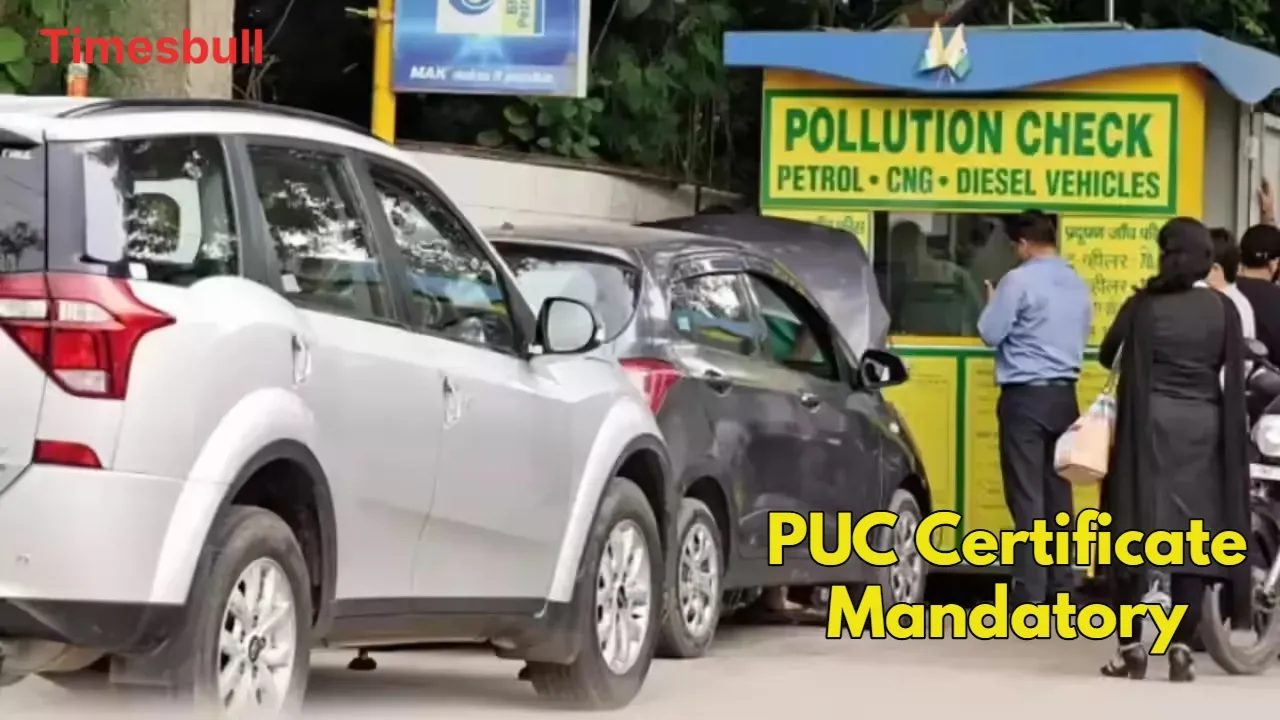
Nowadays, driving on the road isn’t just about driving licenses and insurance. To protect the environment, the government has made a PUC (Pollution Under Control) certificate a mandatory requirement for every vehicle. Whether you own a two-wheeler or a four-wheeler, driving without a pollution certificate is not only harmful to nature but can also result in a hefty fine of ₹10,000. Many people are confused about when to obtain a PUC for a new vehicle and its validity in different states.
What is a PUC Certificate
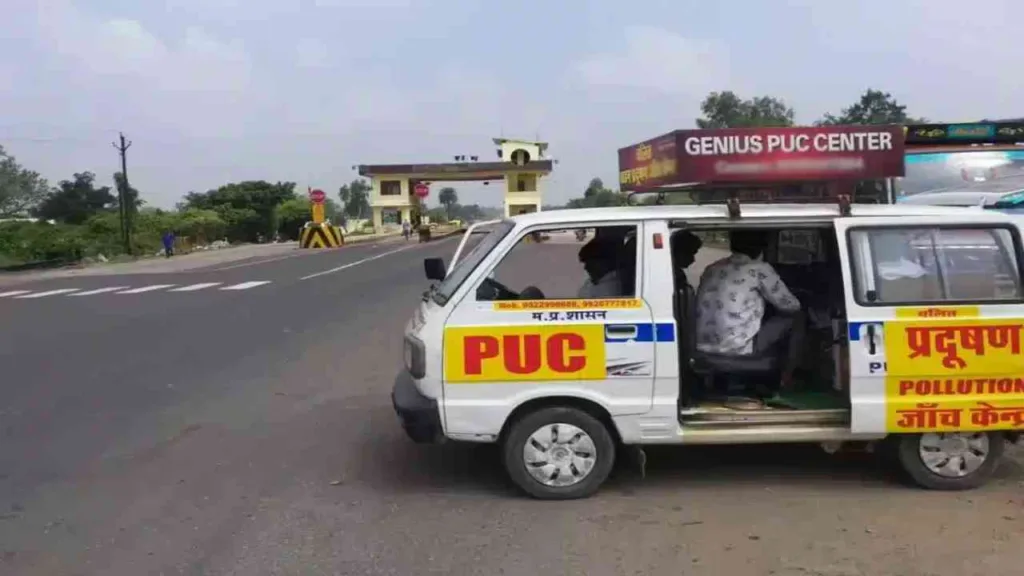
PUC stands for “Pollution Under Control.” It is an official document that certifies that your vehicle’s emissions and harmful gases (such as carbon monoxide and hydrocarbons) are within government-set standards. As vehicles age, their engines weaken and smoke emissions increase. To curb this pollution, the government prioritizes the PUC test. Currently, the government has significantly tightened regulations to control pollution.
What are the rules for a new vehicle
If you’ve purchased a new vehicle from a showroom, you don’t need to rush to a pollution testing center immediately. According to the rules, a new vehicle doesn’t require a pollution certificate for the first 12 months (1 year). This is because the engines in new vehicles conform to modern (BS6) standards and don’t emit pollution initially. However, it’s mandatory to get the first inspection done after the first year.
Validity of BS-IV and BS-VI Vehicles
The validity period for a pollution certificate depends on your vehicle’s engine type and state regulations. Let’s understand this in detail:
- BS-IV and BS-VI Vehicles
The validity period for a PUC for vehicles with these modern engines typically ranges from 6 months to 1 year. In states like Uttar Pradesh, it’s easily valid for one year, while in metropolitan cities like Delhi, it needs to be renewed every six months.
- BS-III and Older Vehicles
Regulations are a bit stricter for older vehicles. The PUC certificate is only issued for three to six months. Since these vehicles emit more smoke, frequent inspections are a vital environmental requirement.
- Commercial Vehicles
Heavy vehicles like trucks and buses are also required to undergo inspections every three to six months; otherwise, their permit or fitness certificate may be at risk.

Where and how to get a PUC certificate?
Obtaining a PUC is a very simple and straightforward process. You can obtain it through the following methods:
Almost every major petrol pump has an authorized pollution testing center. Your vehicle is inspected there, and a machine-generated certificate is generated online.
You can also obtain a PUC by visiting your nearest Regional Transport Office (RTO).
Once the inspection is complete, you can download your PUC Certificate online by visiting the official website of ‘Parivahan’. You will need to enter the vehicle’s registration number and the last 5 digits of the chassis number.
A hefty fine of ₹10,000
Following changes in traffic rules, hefty fines are being imposed for driving without a valid PUC certificate. Under current rules, a first-time driver’s license can be fined up to ₹10,000. In some cases, the driver’s license can also be suspended for 3 months. Therefore, it is wise to renew your PUC before its expiry date.
Latest News
- Bank Holiday Alert: अगले सप्ताह कितने दिन बंद रहेंगे बैंक? जाने से पहले चेक करें लिस्ट

- PAN Card–From Banking to Property Deals, Major PAN rules changed
- New Triumph Street Triple 765 RX Is Here – Limited Edition Track Monster Unveiled

- Best Budget Tablets for Students 2026 Under 20,000

- Free Bus Travel for Women Starts June 1, Know ID Rules and Many More

- How to Replace Siri with ChatGPT on iPhone: Step-by-Step iOS Setup

- Petrol-Diesel Price Today: 24 मई को कितना बदला पेट्रोल-डीजल का भाव, चेक करें 1 लीटर की कीमत

- White House Firing: व्हाइट हाउस के दरवाजे पर 25 राउंड फायरिंग से मची खलबली, संदिग्ध हमलावर की मौत

- Tata Tiago Facelift Launching Soon – Aggressive Design And High-Tech Cabin Revealed

- LPG Gas Connection Transfer Made Easy, Learn the Complete Process