

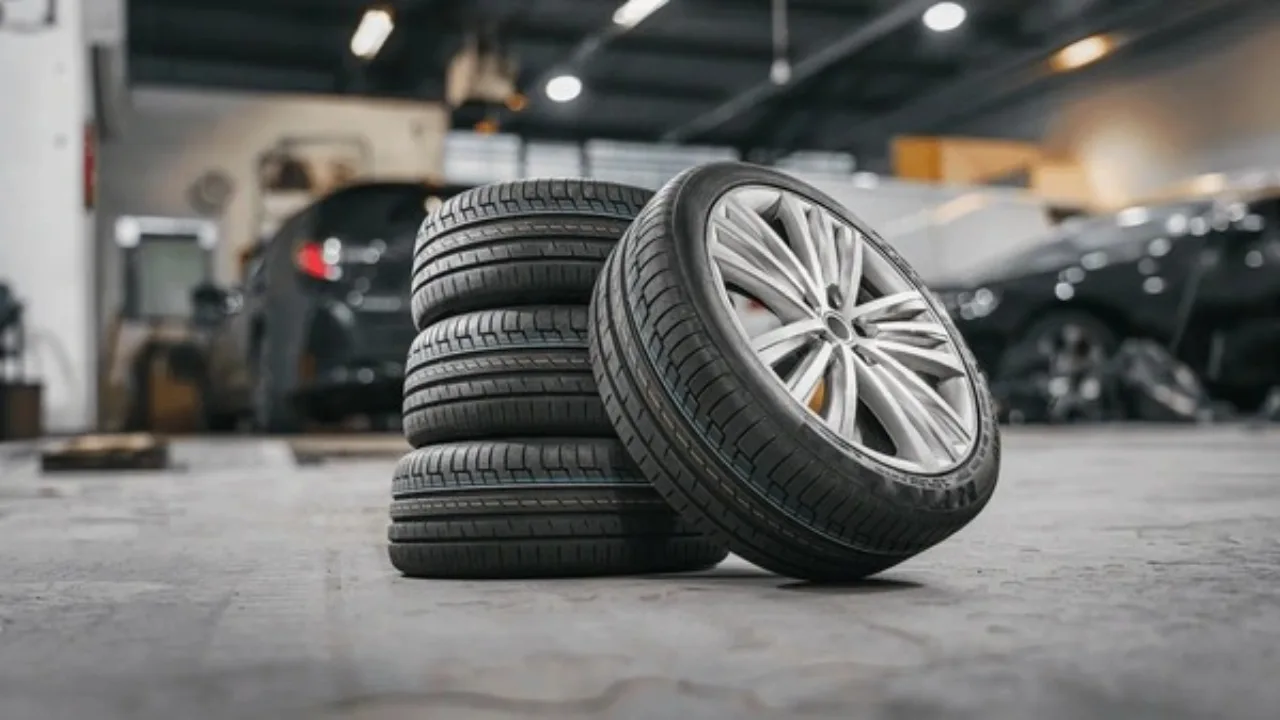
Tyre Price: The cost of tires is expected to increase. With the significant rise in crude oil prices and the escalating costs of natural rubber in March 2026, tire manufacturers are contemplating price hikes to counterbalance these growing expenses. Worldwide, numerous companies have declared price increases ranging from 1 to 5 percent, and in India, leading firms such as MRF, Apollo Tyres, JK Tyre, and CEAT are facing this challenge.
The tensions in West Asia have led to higher prices for crude oil and synthetic rubber, while natural rubber prices have also surged considerably. These price hikes will directly affect the budgets of owners of two-wheelers, four-wheelers, and commercial vehicles. Let’s delve into the factors contributing to this inflation.
Why are tyre prices on the rise?
The primary factor is the sharp increase in the cost of raw materials used in tire production. Crude oil prices have surged due to ongoing conflicts in West Asia, resulting in a 15-40 percent increase in the prices of materials such as synthetic rubber, carbon black, and processing oil. Natural rubber, which constitutes 40-45 percent of a tire’s overall cost, has also escalated from Rs 18,500 to Rs 21,600 per 100 kilograms.
As India is a significant rubber importer, a weakening rupee coupled with rising shipping costs has worsened the situation. Analysts predict that if these trends persist, tire companies could see their gross margins affected by as much as 400 basis points (4 percent). Many firms are gearing up for a price increase of 2-5 percent starting in April 2026, particularly in the replacement market.
What does this mean for the average consumer?
The increase in tire prices will place a direct financial strain on owners of two-wheelers, four-wheelers, and commercial vehicles. The cost of bike or scooter tires may rise by 200-500 rupees, while car tires could see an increase of 1,000-3,000 rupees. The escalating prices of truck and bus radial tires, which are essential to the transportation industry, will lead to higher freight costs, ultimately affecting the prices of everyday goods.
For farmers, the cost of farming will increase due to the increased cost of tractor tires. In the automobile industry, prices in the OEM (Original Equipment Manufacturer) segment are indexed, so the price of new vehicles may also be affected. Overall, this will put an additional burden on the pockets of ordinary consumers, especially when inflation is already a concern.