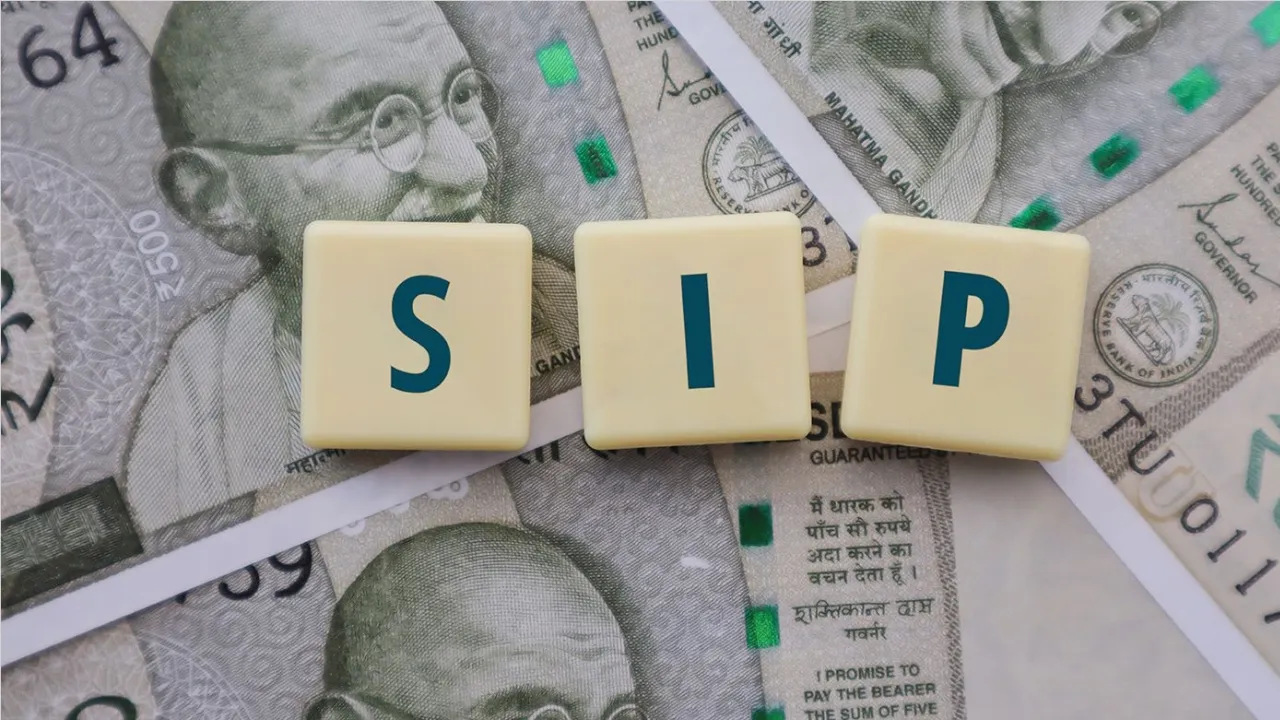
SIP Payment– Systematic Investment Plan i.e. SIP is a disciplined way of investing regularly in mutual funds. Every month 26 thousand crore rupees are coming into various mutual fund schemes through SIP in the country. In most cases, the amount is auto debited from the bank on time. But sometimes the situation becomes such or due to negligence, investors miss paying the SIP installment. In such a situation, what will be the effect of missing SIP on your investment. Let us know in detail.
The day the SIP is to be deducted. If there is no balance in the account on that day. Then in such a situation the SIP fails. Not only this, you may have to pay bank charges. Along with this, your SIP may also be stopped and long term investment goals may also be in danger.
What happens if your SIP payment fails?
When the bank tried to make the payment and there was no money in the account, the transaction ‘failed’. This is called a missed installment of SIP. This means that no investment has been made in your mutual fund that month. In such a case, the bank can charge you a “bounce charge”. This charge depends on the bank and is usually between Rs 150 and Rs 500. Some banks also charge additional GST.
Know what SEBI’s rule says
According to SEBI rules, if 3 to 5 consecutive installments of SIP fail, then the mutual fund company i.e. AMC can close your SIP plan. Every fund house has its own limit. Usually SIP is stopped after 3 failed installments. On the other hand, there is no effect on the credit score if SIP fails. But if the bank repeatedly sends information about ECS failure to CIBIL, then there can be an indirect effect.
What will be the effect on long term investment?
The strength of SIP is regular investment and the effect of compounding. If SIP fails repeatedly, your investment continuity is broken. This will not only result in your financial goals not being achieved on time, but the benefit of compounding will also be reduced. A small mistake can slow down your entire financial roadmap.
First of all, select the date immediately after the salary is received for SIP. Create a buffer stock in the account to avoid problems of unexpected expenses and insufficient balance. If you are facing financial problems, reconsider your SIP investments or discretionary expenses instead of cancelling the SIP immediately. If necessary, there is a facility to modify and pause the SIP. You can start it again later when the money comes.
Latest News
- How to Replace Siri with ChatGPT on iPhone: Step-by-Step iOS Setup

- Petrol-Diesel Price Today: 24 मई को कितना बदला पेट्रोल-डीजल का भाव, चेक करें 1 लीटर की कीमत

- America Update: व्हाइट हाउस के दरवाजे पर 25 राउंड फायरिंग से मची खलबली, संदिग्ध हमलावर की मौत

- Tata Tiago Facelift Launching Soon – Aggressive Design And High-Tech Cabin Revealed

- LPG Gas Connection Transfer Made Easy, Learn the Complete Process

- New Honda City Facelift 2026 Launched – Sporty Coupe Look And ADAS Safety Revealed

- 8th Pay Commission: केंद्रीय कर्मचारियों की बढ़ेगी बंपर सैलरी! आयोग ने उठाया यह बड़ा कदम

- China: चीन के कोयला खदान में भयंकर विस्फोट, 90 लोगों की गई जान, पीएम मोदी ने भी जताया दुख

- Weather warning – Heavy Rain, thunderstorms, lightning Alerts for 13 States Over Next 3 Days

- UP TGT Exam City Slip 2026 Released – Download at upessc.up.gov.in, Exam June 3-4