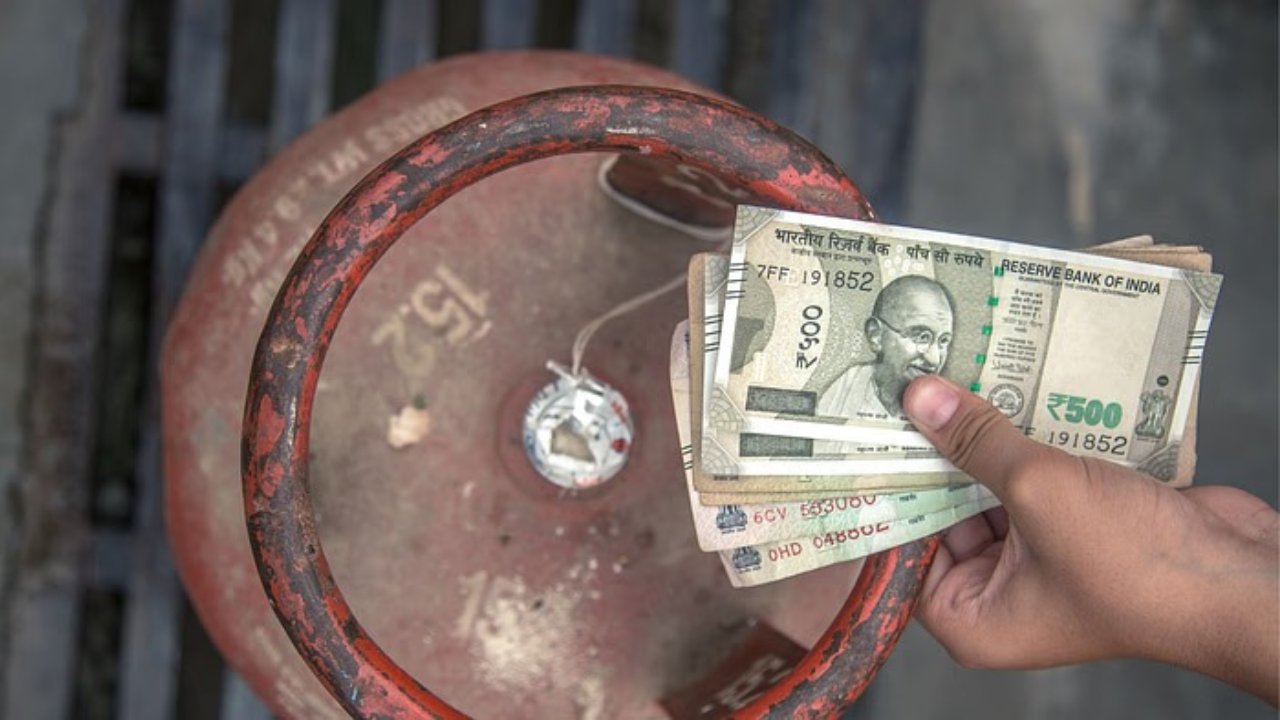


Every month, as soon as the salary is credited to the account, a long list of responsibilities and needs appears. Rent, groceries, bills, transportation, and other necessities consume most of the money, leaving almost nothing by the end of the month. In such a situation, most people assume that saving is only possible for those who earn more. However, the reality is that saving is not directly related to your salary but to your financial habits. With proper planning and a little discipline, a strong financial foundation can be built even with a low income.
Balancing expenses and savings with the 50-30-20 rule
If you want to manage your money effectively, the 50-30-20 rule can be an easy and effective method. Under this formula, half of your salary is allocated for daily necessities. This includes expenses like rent, food, electricity and water bills, medicines, and transportation. Then, approximately 30 percent is spent on things related to your desires, such as going out, eating with friends, clothes, or entertainment. The remaining 20 percent is set aside directly for savings or investments. Spending in this way not only ensures proper utilisation of money but also helps build a fund for the future.
Prioritise saving before spending
Often, people think they will start saving when their salary increases, but this mindset becomes the biggest obstacle. In reality, it is essential to cultivate the habit of saving from the beginning. If you find it difficult to set aside 20 percent, start with a fixed amount. For example, you can start by setting aside 10,000 rupees every month for savings or investments. This amount may seem small, but consistency makes it significant. As your income increases, you can increase the amount you save accordingly.
Put a stop to unnecessary spending and unused subscriptions
In today’s digital age, there are many subscriptions that we hardly use. Subscriptions to OTT platforms, music apps, gym memberships, and other online services deduct money from your account every month. If these expenses aren’t reviewed regularly, they can quietly eat away at your savings. Additionally, frequently eating out, unnecessary online shopping, or spending extra money simply for brand names can also derail your financial plan. A little control over these habits can significantly strengthen your savings.
Read More- Amazon Sale—Google Pixel 9 Pro Fold Flagship Phone At 42% Discount with Many Offers!
Small amounts can build a large fund over time
Many people don’t realise that even small savings can grow into a substantial amount over time. If someone consistently saves or invests ₹10,000 every month for 10 to 12 years, the total amount can reach several lakhs of rupees. With the right investment choices, this amount could even reach ₹20 to 25 lakhs. This money can be incredibly helpful for children’s education, buying a house, starting a business, or as an emergency fund.