


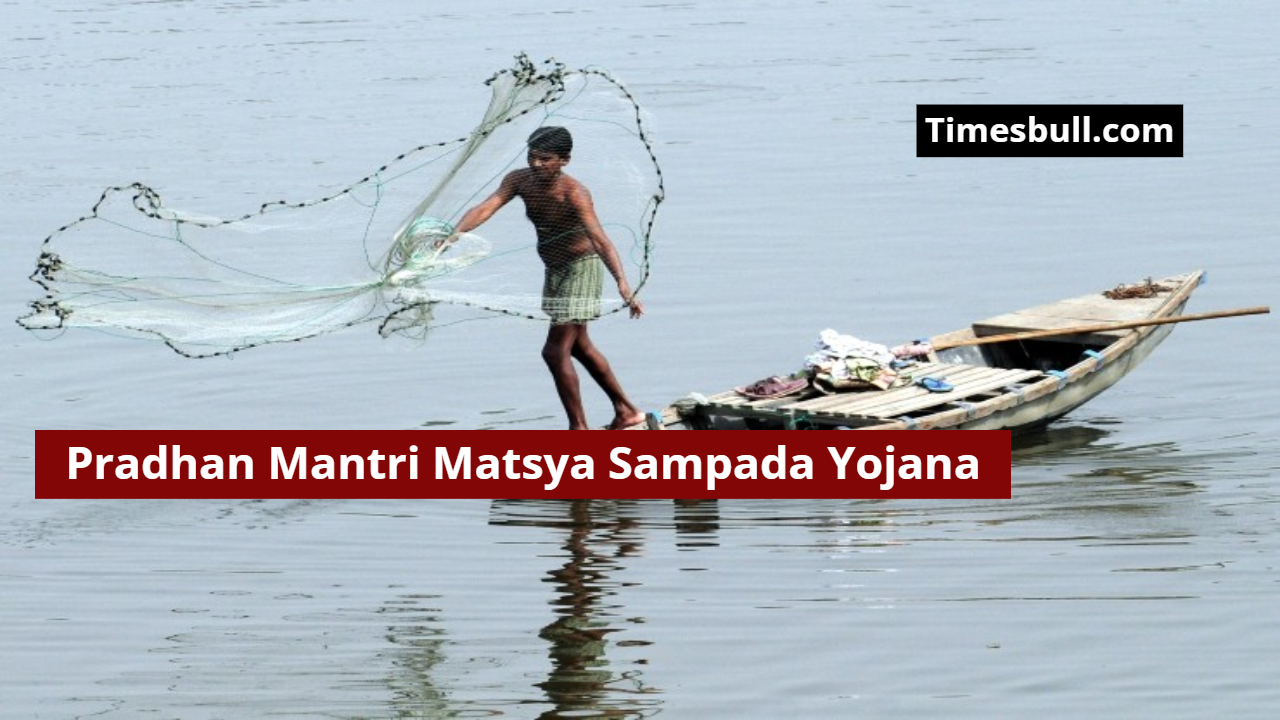
The Pradhan Mantri Matsya Sampada Yojana (PMMSY) was launched by the Government of India in 2020. The scheme aims to develop fisheries as an organized and profitable sector. Under the scheme, the government has provided financial assistance to farmers and those involved in the fisheries business so that they can expand their businesses and create new opportunities.
Read More- Car Sampark Tag Explained: How It Works and Who Should Use It
Who benefits from the scheme?
This scheme is not limited to farmers. It also includes fishermen, fish farmers, fish workers, fish vendors, members of the Fisheries Corporation, and fisheries cooperatives. Even private companies working in the fisheries sector can benefit from this scheme. The government aims to open new employment opportunities through fisheries and strengthen the rural economy.
How much financial benefit is available?
Financial assistance under the Pradhan Mantri Matsya Sampada Yojana is provided in two categories. General category applicants receive a grant of up to 40% of their project cost. Women, Scheduled Caste (SC), and Scheduled Tribe (ST) beneficiaries receive up to 60% assistance. This grant helps them start, expand, or adopt new technologies.
What is the application process?
- The application process for the Pradhan Mantri Matsya Sampada Yojana is completely online.
- Applicants must visit the official website of the scheme, https://pmmsy.dof.gov.in/, and fill out the application form.
- When applying, applicants must enter all the required information and upload the necessary documents.
- In addition, applicants must prepare a detailed project report (DPR) and submit it along with the application.
- Once the DPR is approved, the applicant is granted benefits under the scheme.
Read More- Somwar Ke Upay: Avoid These 5 Foods On Monday To Prevent Chandra Dosh
Main Objective of the Scheme
The main objective of the Pradhan Mantri Matsya Sampada Yojana is to promote sustainable development in the fisheries sector, generate new employment opportunities, and make the rural economy self-reliant. This scheme is playing an important role in improving the living standards of farmers and fishermen as well as increasing fish production in the country.