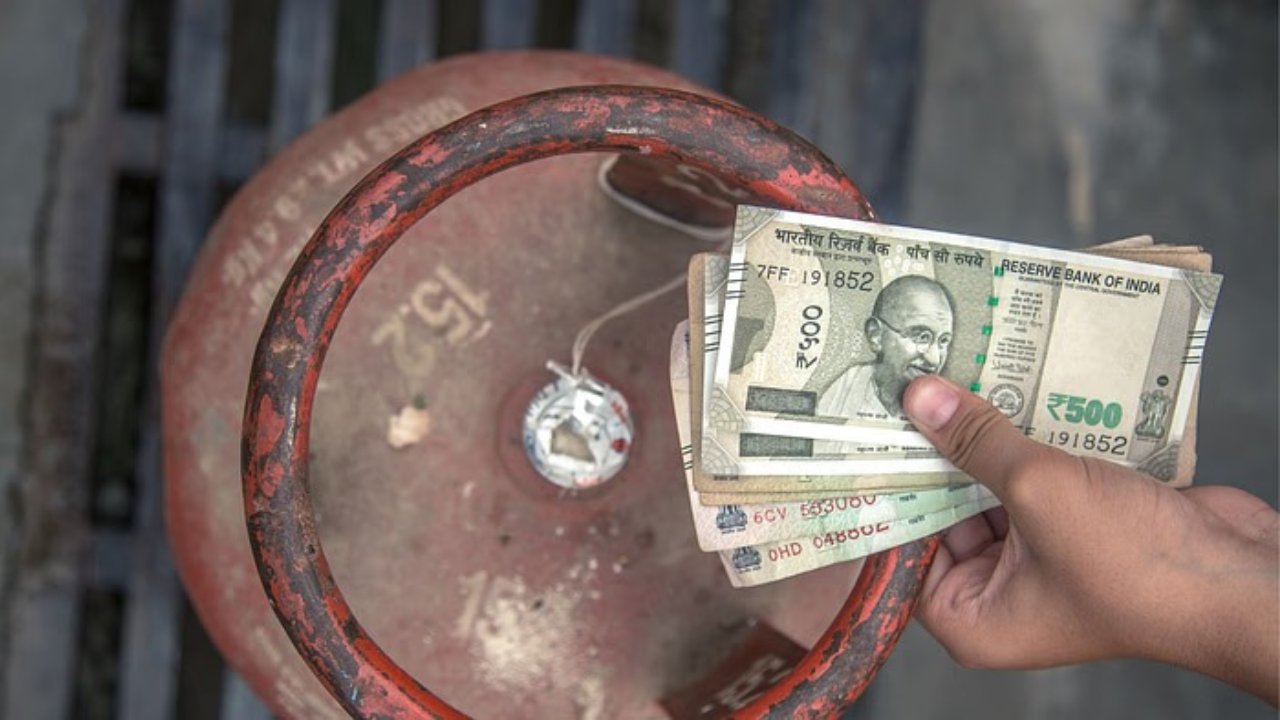

Kerosene: The heat of the war raging in West Asia has now reached our kitchens. Amidst the sudden shortage of LPG cylinders, a fuel we had almost forgotten is making a comeback in our lives: kerosene. The ongoing military conflict between Iran and the US-Israel has severely disrupted global energy supplies. Due to the disruption of oil and gas supplies through the Strait of Hormuz, the government has taken a major decision after a decade. The allocation of kerosene for domestic use has been increased, and hotels and restaurants have been given temporary permission to burn coal and biomass.
Why did gas suddenly become scarce?
India is the world’s third-largest oil importer, purchasing approximately 88 percent of its total oil needs from abroad. Due to ongoing tensions in West Asia, commercial shipping through the Strait of Hormuz has virtually halted. This sea route supplies India with 2.5 to 2.7 million barrels of crude oil daily. Additionally, 55 percent of the country’s LPG and 30 percent of its LNG supplies also come through this route.
In response to this supply disruption, petroleum companies have prioritized domestic cooking gas. This has directly impacted commercial gas cylinders. Gas supplies to hotels, restaurants, and other commercial consumers have been drastically cut, creating a severe fuel crisis in the hospitality sector.
In response to this supply disruption, petroleum companies have prioritized domestic cooking gas. This has directly impacted commercial gas cylinders. Gas supplies to hotels, restaurants, and other commercial consumers have been drastically cut, creating a severe fuel crisis in the hospitality sector.
New kerosene quota for hotels and restaurants
To address the gas shortage, the government has turned to alternative fuels. In a relief to the hospitality sector, environmental regulatory bodies have granted special permission for the use of fuels such as biomass, RDF pellets, and coal for a month.
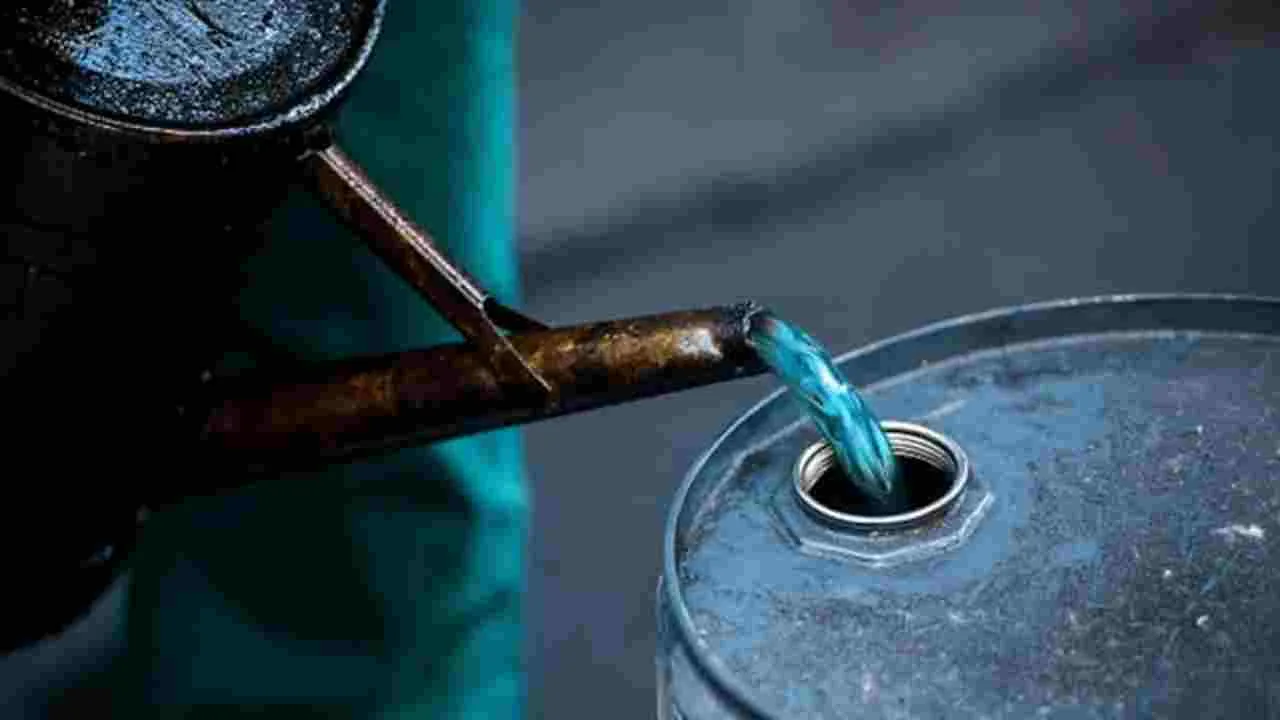
Meanwhile, to address the shortage of LPG for cooking in ordinary households, kerosene has been brought back. The government has allocated an additional 48,000 kiloliters of kerosene to states, on top of the regular quota of 100,000 kiloliters. This is the first such increase in the fuel’s quota in over a decade.
New 45-day rule to prevent gas hoarding
Rumors of a gas shortage have spread panic among people and led to a sudden surge in bookings for LPG cylinders. The Petroleum Ministry has clarified that there is no actual gas shortage, but rather that people are making additional bookings out of panic.
To curb this hoarding and ensure equitable distribution, the government has taken strict measures. The minimum period for booking a subsidized cylinder in rural areas has been increased from 21 days to 45 days. However, this limit remains at 25 days for urban areas. It’s a relief that the average LPG delivery time in the country remains at 2.5 days. Domestic production has been increased by approximately 28 percent, and supplies are being secured from 40 different countries, including the United States, Norway, Canada, and Russia.
Kerosene was once the pride of the kitchen, then why did it disappear?
While the name kerosene may seem surprising today, there was a time when it was a necessity in every household, from villages to cities. Phanishwarnath Renu’s famous story “Panchlight” also captures the cultural significance of this fuel. From lighting lanterns to cooking on the stove, it was an integral part of everyday life.