
New Rules From April 1, 2026: March marks the final month of the financial year, with only three days now remaining. The upcoming month—April—also heralds the commencement of the new financial year. Several significant changes are set to take effect on April 1st, the impact of which will be felt by ordinary citizens as well.
April 1st is poised to be a particularly significant date for everyone—from salaried professionals to taxpayers, as well as holders of Aadhaar and PAN cards. Consequently, the question likely arises: what exactly will these changes entail? You can find all the essential details regarding how these changes will impact your daily life in the article below. To fully understand these implications and avoid any confusion, we encourage you to read this article carefully.
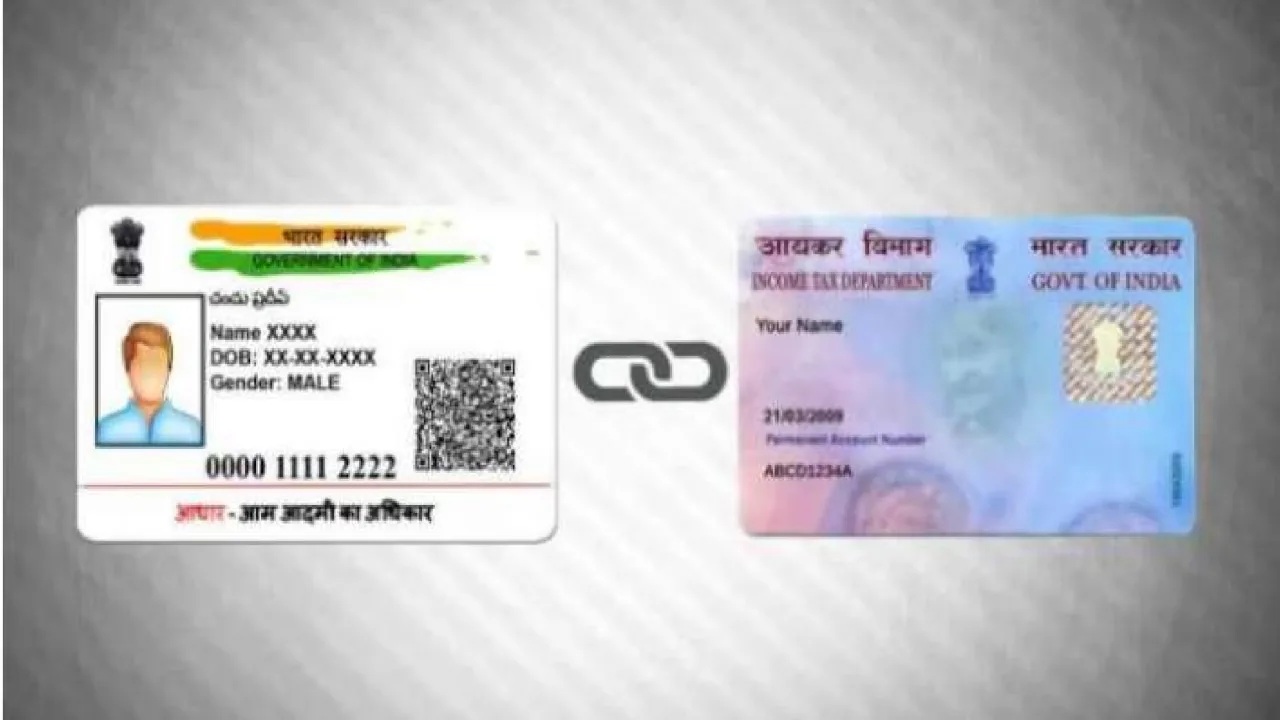
PAN Cards to Become More Secure
Starting April 1, 2026, applying for a PAN card will require the submission of an additional document alongside the Aadhaar card. Until March 31st, you can still apply for a PAN card using only your Aadhaar card. However, once the rules change on April 1st, an extra document—in addition to Aadhaar—will become mandatory.
Along with your Aadhaar card, you will be required to submit a Birth Certificate, Voter ID, Passport, Driving License, Class 10th Certificate, or other government-issued documents. This initiative by the government is aimed at significantly enhancing the security of PAN cards. Conversely, the process of obtaining a PAN card may now take slightly longer compared to previous procedures.

Stricter Rules for HRA Claims
The regulations governing House Rent Allowance (HRA) claims have become more stringent than ever before. If an employee pays an annual rent exceeding ₹1 lakh, it will be mandatory for them to provide their landlord’s PAN number. Furthermore, the employee must explicitly declare whether or not the landlord is a family member. Effective April 1st, a separate form must be filled out and submitted to file such claims. These new rules have been implemented by the government to curb the practice of making fraudulent claims and wrongfully withdrawing funds.
Changes to Credit Card Regulations
Meanwhile, if you are a credit card user, you need to familiarise yourself with the new regulations. Major transactions conducted via credit cards will now be placed under scrutiny. Specifically, if your aggregate digital expenditure within a financial year exceeds ₹10 lakhs, or if your cash payments exceed ₹1 lakh, this information must be reported to the Income Tax Department. Major Changes to ITR-Related Rules
There have also been some changes to the deadlines for filing Income Tax Returns (ITR). For cases not requiring an audit, the last date for filing ITR-3 and ITR-4 is now August 31. Meanwhile, applicants filing ITR-1 and ITR-2 can complete the filing process by July 31.
Changes to ATM Withdrawal Rules
Did you know that, effective April 1, 2026, changes have been implemented regarding ATM and cash withdrawal rules across several major banks? HDFC Bank has set the limit for free transactions at 3 in metro cities and 5 in non-metro cities. Punjab National Bank has reduced the daily cash withdrawal limit on certain debit cards from ₹1 lakh to ₹50,000.
Latest News
- 8th Pay Commission लागू होते ही कितना हो जाएगा फिटमेंट फैक्टर, चेक करें अपडेट

- Oppo Find X9 Ultra Launched in India: Check Reliance Digital Price, Bank Offers, and Flagship Specs

- Electricity Bill Saving– How to Save Power During Summer Heat? Here Are the Few Tips

- Gold-Silver Rate – Gold ₹44,396 per 10 grams & Silver ₹1,85,462 per kg cheaper from the Peak

- US Green Card Rule Change, Know Before Apply

- PM Surya Ghar Scheme: खूब चलाएं एसी और कूलर, नहीं देना होगा बिल, जल्द कराएं यह काम

- ITR Filing Before May 31? You May Get Notice

- Women Free Bus Travel Scheme – How to Get Free Bus Travel From June 1, 2026? How to Apply

- LSG Vs PBKS Video: ऋषभ पंत पर भड़के अर्जुन तेंदुलकर! वीडियो देखकर आप भी रह जाएंगे हैरान

- Apple MacBook Neo Deal Alert: Get It For Under ₹58,000 on Amazon Right Now