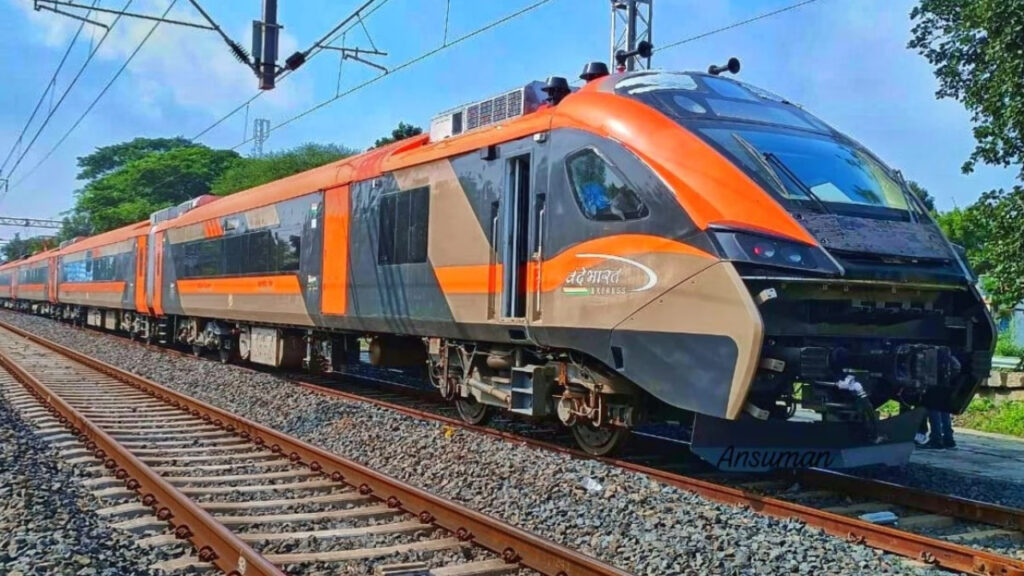
Vande Bharat Express: A major step has been taken regarding rail connectivity in Jammu and Kashmir. From March 1st, the direct Vande Bharat Express service will commence between Srinagar and Jammu. Until now, this train only ran between Katra and Srinagar, but now it is being extended to Jammu. In the future, there are plans to extend this line further and directly connect it to New Delhi.
This new service will significantly ease travel between the Jammu region and the Kashmir Valley. Currently, passengers traveling from Jammu had to travel separately to Katra and catch a train from there. However, it is now believed that running the train directly from Jammu will save time and make travel more convenient.
Srinagar-Jammu Vande Bharat will stop at 7 stations
According to railway officials, the Vande Bharat train on the Srinagar-Jammu route will stop at seven stations. This will directly benefit passengers in the intervening areas. Furthermore, changes have been made to the train’s rake structure to accommodate the increasing number of passengers. Originally planned to have eight coaches, the number has now been increased to 20. The railway believes that the number of passengers on this route increases significantly during the tourist season and holidays, making the extra coaches necessary.
Why was the service delayed?
The Jammu-Srinagar service was originally scheduled to begin, but was postponed due to ongoing construction and expansion work at Jammu Railway Station. The station was being worked on to improve infrastructure and handle the increasing passenger traffic. Now that construction is nearly complete and preparations for operation are in the final stages, the service is expected to begin on March 1st.
Connectivity of the valley will get a boost
The launch of this new railway service is expected to strengthen rail connectivity in the Kashmir Valley. Improved rail connectivity is also expected to boost tourism, trade, and local economic activity. Currently, passengers traveling from Jammu to Katra must rely on alternative modes of transportation before continuing their journey by train. Once operational, this direct service is expected to reduce travel time and improve overall convenience.