
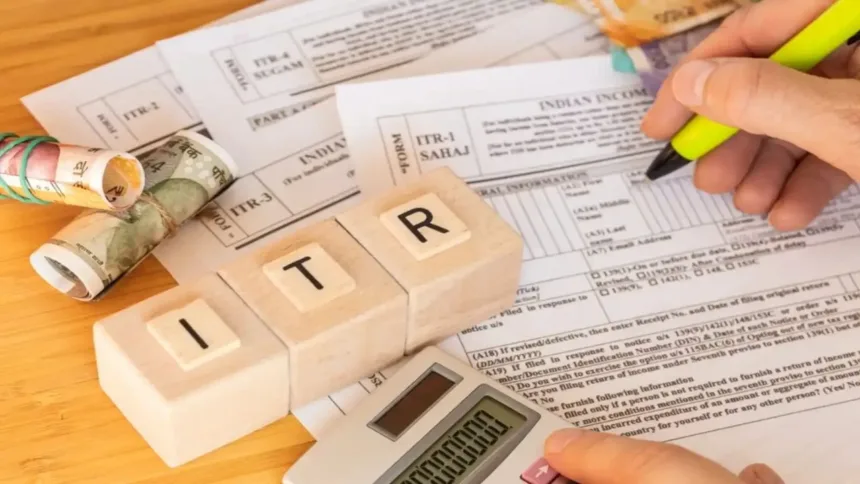
ITR Filing 2026: There is a big update for taxpayers. A lot of salaried folks believe that if their earnings are under the taxable threshold, they can just sit back and relax. They think they don’t have to pay taxes or file an ITR. But the truth is a bit more complicated.
TDS can be taken out in various everyday scenarios, whether it’s from your salary, bank interest, fixed deposits, or even small freelance gigs. If you skip filing your ITR, you won’t get that deducted money back. So, even when there’s no tax to pay, your cash could be tied up.
ITR isn’t just about getting a refund
Filing your ITR isn’t solely for snagging a refund; it’s a comprehensive record of your financial situation. It serves as proof of income, boosts your credibility for loans and visas, and keeps a systematic log of all your transactions. Since most transactions are monitored these days, not filing your ITR could lead to issues down the line.
Common pitfalls people fall into
The biggest blunder people make is thinking, If theres no tax, theres no need to do anything. This mindset leads them to skip filing their ITR and miss out on refunds for TDS taken from fixed deposits, salary, or freelance work.
For instance, if the yearly interest on a fixed deposit (FD) goes over Rs 50,000, the bank will deduct a TDS of 10%. If you don’t provide a PAN, that can jump to 20%. In these situations, you can reclaim the excess tax by filing an ITR. Another frequent mistake is not filing your ITR on time. This can stop you from benefiting from offsetting losses from stock or mutual fund investments in the following years.
Things to remember when filing your ITR
The ITR gives a full view of your financial status, so it’s vital to provide accurate details. To do this, keep your ITR form, salary slips, PAN, Aadhaar, bank account info, and proof of investments and deductions handy. Also, make sure to match Form 26AS (Form 168) with your Annual Information Statement (AIS) to avoid mistakes and ensure a quick refund.
For your kind information, If your income is above the basic exemption limit and falls within the tax bracket, it’s mandatory to file an ITR, even if your final tax liability is zero. This is because the tax liability is often due to rebates and deductions, rather than because your income is outside the tax bracket.
New tax regime
If your annual income is up to Rs 12.75 lakh, the new tax regime may be beneficial for you, as it allows for zero standard deductions and tax deductions under Section 87A. Furthermore, the new system is also better for those who don’t make tax-saving investments or want a higher take-home salary. However, if you claim deductions of Rs 4-5 lakh or more, such as 80C, 80D, HRA, or home loans, the old tax regime may be more beneficial.