

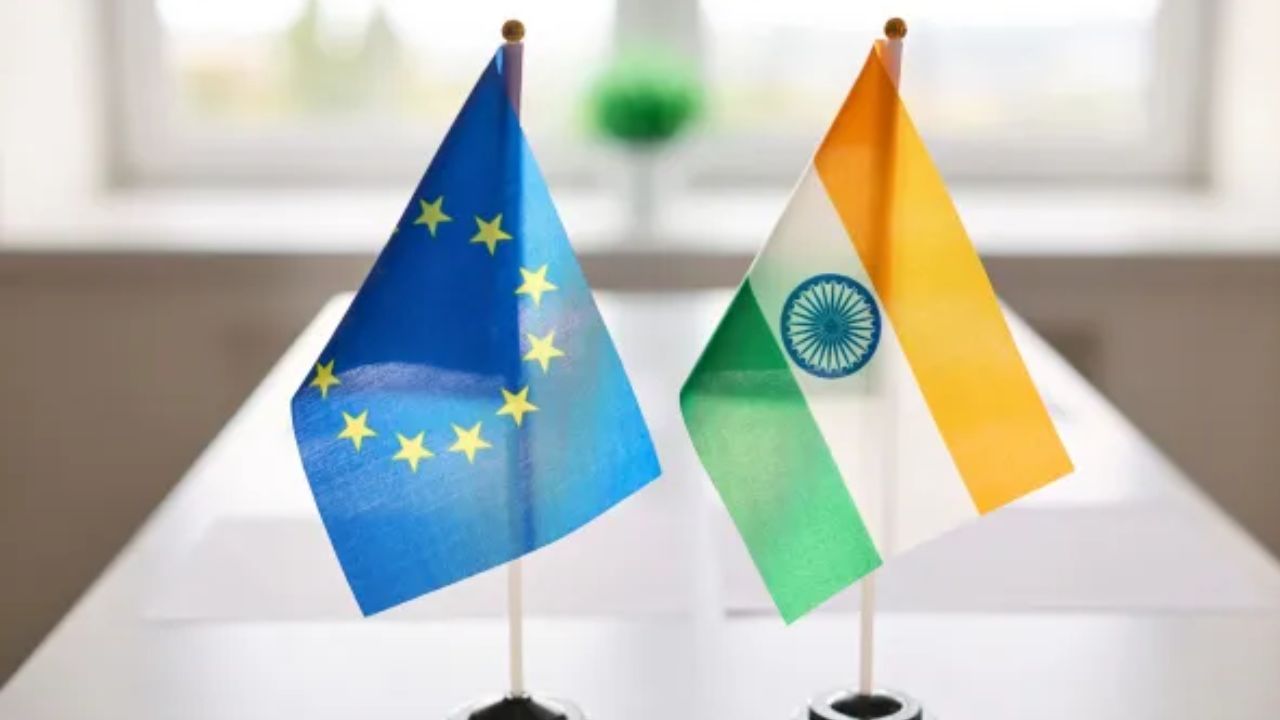
After nearly two decades of negotiations, the India-European Union Free Trade Agreement (FTA) has been finalized. Although it will take time to be fully implemented. It is expected to come into effect next year, discussions have already begun on the benefits of the agreement.
What are the benefits for both sides
If the FTA is implemented, about 97 percent of Indian goods sent to Europe will be duty-free, resulting in a saving of about $4 billion annually in tariffs on trade with the European Union. In addition, many products imported from Europe will be significantly cheaper for Indian consumers.
Sectoral benefits
The biggest impact of the agreement will be on food and beverages. Chocolate, cheese, pasta and other food products imported from Europe currently have duties of 30 to 50 percent, which could be reduced to zero in phases after the FTA. As a result, these products will be available in the Indian market at much lower prices than before.
See also –Volkswagen India 2026 Launch Plan – 5 new cars ready to launch from Tayron to Golf GTI
Beer and liquor prices to come down
Significant relief is also expected in the prices of liquor and wine. Currently, there is a high import duty of 100 to 150 percent on European liquor and wine. After the FTA, this duty may be reduced to 20 to 30 percent, and in some cases it may be reduced further. This will directly benefit consumers and make premium liquor more affordable.
There will also be significant changes in the automobile sector. Currently, India has an import duty of 70 to 100 percent on European cars, which makes luxury cars very expensive. After the agreement comes into effect, the duty on high-end cars may be reduced to about 40 percent in the first phase. This price is likely to be reduced further later. As a result, European cars like BMW, Mercedes and Audi will be relatively cheaper in the Indian market.
See also –Skoda Kodiaq RS ready for launch in India – Second batch of Octavia RS also confirmed
What will be cheaper in India?
| Products | Existing tariff rates (in percentage) | Future tariff rates (in percentage) |
| aircraft and spacecraft | 11 | 0 |
| machinery and electrical equipment | 44 | 0 |
| Spectacles, medical and surgical supplies | 27.5 | 0 |
| chemicals | 22 | 0 |
| Plastics | 16.5 | 0 |
| motor vehicles | 110 | Quota up to 10 (250K) |
| Iron and steel | 22 | 0 |
| Medicines | 11 | 0 |
| beer | 110 | 50 |
| Liquor | 150 | 20 (Premium Range)
30 (medium range) |
| Olive oil and vegetable oil | 45 | 0 |
| Fruit juice and non-alcoholic beer | 55 | 0 |
| Processed fruits (bread, pastries, pasta and chocolate and pet foods) | 50 | 0 |
Impact on olive oil, processed food sector
The reduction in import duties on olive oil, processed food and some dairy products from Europe is likely to reduce their prices. Indian farmers and agri-exporters will also get better access to the European market, which will boost agricultural exports.
Must read –Major Changes to Driving Licenses, New Facility for Minors, Read Details
Overall, the implementation of the India-EU FTA will make many imported everyday goods available to Indian consumers at lower prices, while the vast European market will become more accessible to Indian industry and exporters. It is hoped that this will help reduce inflation and encourage investment, employment and trade.