
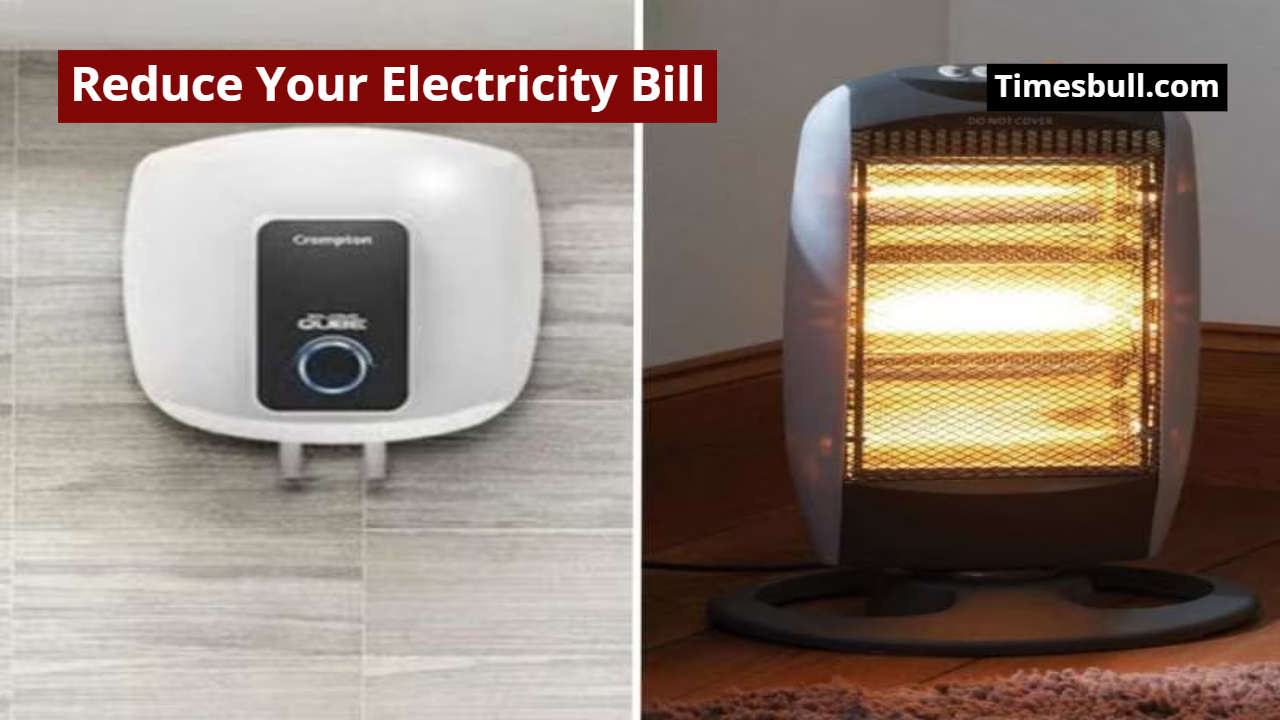
During the cold season, the need for hot water and keeping rooms warm increases. Geysers and heaters run for hours, leading to a sudden surge in electricity consumption. Often, people leave these appliances on for longer than necessary, which directly impacts the hefty electricity bill at the end of the month.
How Smart Geysers and Heaters Save Electricity
Nowadays, modern geysers and heaters with smart features are available in the market. With Wi-Fi connectivity and mobile app control, they can be switched on or off from anywhere. Features like auto cut-off and timers ensure that the appliances switch off automatically after a set time, preventing unnecessary electricity consumption.
The Advantage of Scheduling Before Bathing
The biggest advantage of a smart geyser is that you can switch it on just a few minutes before your bath. As soon as the set time is complete, the geyser switches off automatically. This ensures that the water is heated only as needed, eliminating the need to run the geyser for extended periods, thus reducing electricity consumption and ensuring safety.
Why Proper Use of Heaters is Important
A smart heater provides heat according to the room temperature. With the scheduling feature, the heater can switch off automatically at night, eliminating the worry of leaving it on all night. This not only saves electricity but also reduces the risk of overheating.
Make Your Old Appliances Smart Too
Even if you have old geysers or heaters at home, you can still benefit from smart technology. These appliances can be connected to Wi-Fi using smart plugs. After that, controlling them and setting timers becomes easy through a mobile app, making it possible to save electricity without buying new appliances.
Pay Attention to Rating and Temperature Settings
When buying a new geyser or heater, always check its BEE rating. Appliances with higher star ratings consume less electricity. Additionally, setting the geyser temperature to 50 to 55 degrees Celsius and running the heater on a medium setting can significantly prevent unnecessary electricity consumption.
Latest News
- ITR Filing Before May 31? You May Get Notice

- Women Free Bus Travel Scheme – How to Get Free Bus Travel From June 1, 2026? How to Apply

- LSG Vs PBKS Video: ऋषभ पंत पर भड़के अर्जुन तेंदुलकर! वीडियो देखकर आप भी रह जाएंगे हैरान

- Apple MacBook Neo Deal Alert: Get It For Under ₹58,000 on Amazon Right Now

- Pakistan Attack: आत्मघाती हमले से दहला पाकिस्तान, 23 लोगों की मौत, 50 से ज्यादा घायल, जानें

- Honor Magic 9 Series Leaks: Flagship Upgrades with Massive 8,000mAh Battery and 200MP Cameras

- Motorola Edge 60 Fusion Review: Mid-Range King or Outdated?

- FD Update– Breaking Your FD Early? Know the consequences

- Bank Holiday–RBI Announces Closure of SBI, HDFC and All Banks Next Week, Save the Dates

- Samsung Galaxy S26 Ultra Amazon Deal – Get ₹23,509+ Discount with Bank Offers and Exchange Benefits