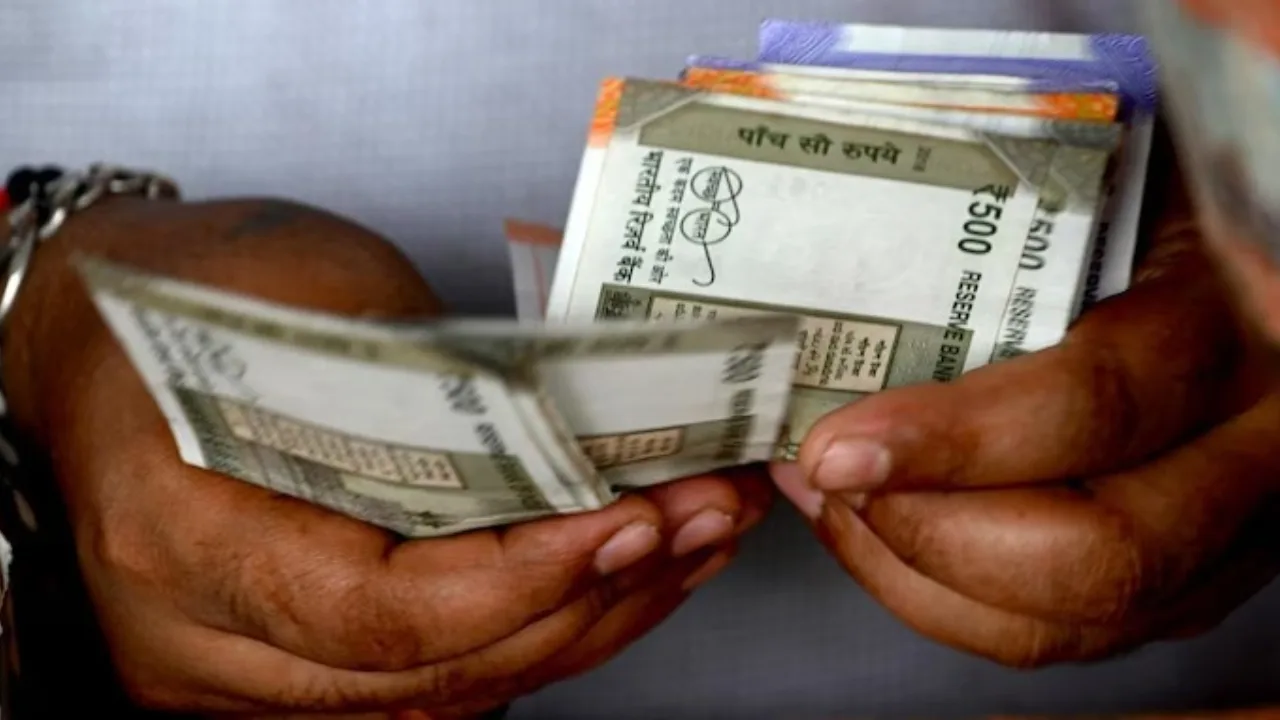
PF deduction New Rule: As India gears up to roll out new labor codes, salaried employees are left wondering if their take-home pay (in-hand salary) will take a hit. These four labor codes merge 29 existing labor laws and revamp everything from social security to workplace rules. The most significant change for employees is the updated definition of wages, which mandates that at least 50 percent of total remuneration will be used to calculate provident fund (PF), gratuity, and other benefits.
This shift aims to enhance transparency, making future social security amounts more predictable. However, a major concern is that if PF is now calculated on a larger portion of the salary (New PF Deduction Rule), it could lead to a decrease in take-home pay.
So, will your take-home salary go down?
The new labor reforms might affect take-home pay. The broadened salary definition will boost EPF contributions, which could mean less money hitting bank accounts if the cost to company (CTC) stays the same. Balasubramanian A., Senior Vice President at TeamLease Services, notes that 50% of your CTC will now be the basis for a 12% EPF deduction. If your CTC doesn’t rise, your EPF contribution will go up, potentially causing a slight dip in your take-home pay.
Which employees won’t see a change in salary?
Right now, EPF is only deducted from basic salary plus dearness allowance (DA), with both employees and employers contributing 12% each. Those currently receiving the minimum EPF (Rs 1,800 per month) won’t notice any difference. Balasubramanian mentions that if you’re only paying the minimum EPF, there won’t be any changes.
Which employee’s salary will be impacted?
Those who earn higher salaries might see some changes, but they do have choices. They can limit their EPF contributions to Rs 1,800. Additionally, you can request your HR to set your PF at Rs 1,800. This approach can help prevent a decrease in your take-home pay. An increase in the minimum wage could also lead to higher salaries. A national floor wage is being introduced in the labor codes, which means that all states will adjust their minimum wages accordingly.
Who will the new regulations affect?
The scope is wider than ever. Balasubramanian mentions that nearly all permanent employees, contract workers, platform workers, and gig workers, with the exception of informal or casual workers, will fall under the new labor codes.