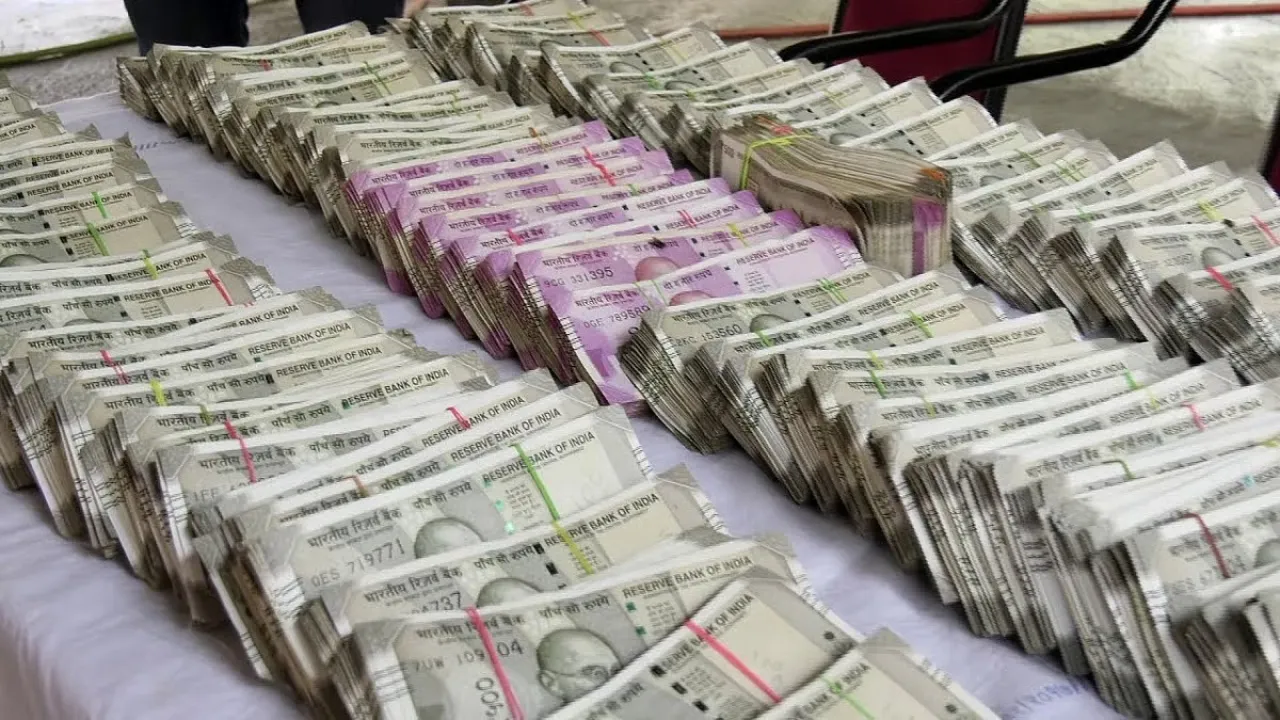
Almost every people now relay on banks to keep their hard earned money secure. But what will happen if the bank suddenly close down? In that case, will you get your money back? If yes, Business Idea: Start These 4 Businesses With Low Investment, Then Earn Big Every Month” how much money can you receive?
Furthermore, there are more questions if such situation arise- Are there any rules established by the Gas Cylinder: Why Was the Number of Subsidized Cylinders Reduced? Government Explains the Reaso or banks for this? Is the customer’s full money refunded in such a situation? Or is there a limit? Learn about the rules that apply when banks go bankrupt. If a bank goes bankrupt, not every customer’s money is completely safe. However, banks have established certain rules to prevent losses. Under these rules, each customer can get their money back up to a certain limit. According to the Reserve Bank of India (RBI) and the Deposit Insurance and Credit Guarantee Corporation (DICGC), each customer receives insurance cover of up to ₹5 lakh.
How much money can you get back?
This means that whether your account is in a savings, current, or fixed deposit, the total deposit amount is considered protected up to Rs 5 lakh. Any amount above this amount is subject to the bank’s bankruptcy process. The bank attempts to return the money to other depositors by selling its assets, but this can take time.
What are the rules?
If a bank goes bankrupt, the insurance amount is returned to the customer under the DICGC. Upon closure, the RBI or DICGC issues a notice, and the customer can file a claim by submitting their documents. The claim process is available both online and offline. It is important that customers have their account passbook, account number, and identity proof ready.
Additionally, those with large deposits are advised to keep their money in different banks or accounts to ensure that even funds above the ₹5 lakh limit are protected. This way, customers can protect their savings and face any unexpected situation.