

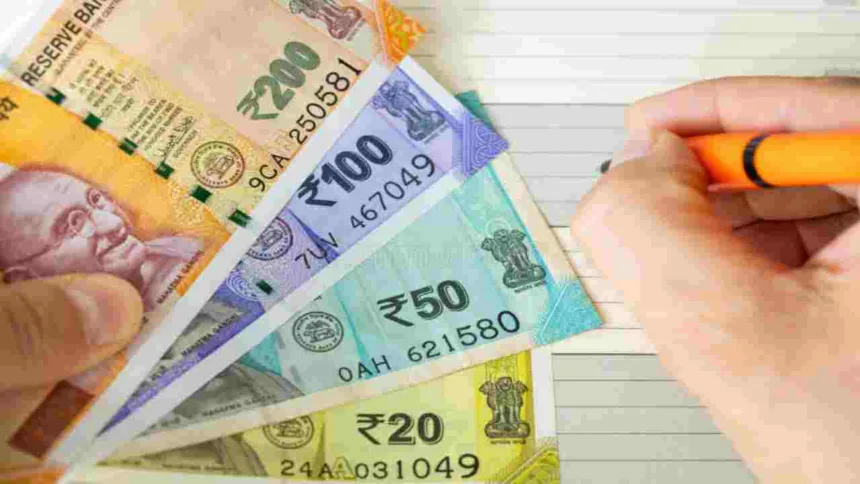
Household Budget Tips: Engaging in open conversations about finances within a household is essential to avoid financial pitfalls. Thus, it’s important for all family members, including kids, to take part in these discussions. Aim to gather everyone at least once a week to go over household expenses. Teach your children about budgeting so they can steer clear of unnecessary spending and appreciate the value of money.
The traditional order of earning first, spending second, and saving last needs a little adjustment. We should prioritize investing first, then earning, and finally managing expenses. This shift is necessary because the moment money is received, the temptation to cover all expenses can overshadow the goal of saving.
It’s vital to distinguish between saving and investing, as simply having money in your account or stashed at home doesn’t adequately safeguard your future needs. It’s not merely about saving; it’s also about investing to ensure growth. Make investment decisions after thoroughly evaluating the potential future returns.
Just like we don’t keep all our cash in one place while traveling, opting instead for separate bags or purses, a similar strategy should be applied to household finances. Rather than investing all your funds in a single option, diversify across various savings or investment vehicles. For instance, if you have a bank fixed deposit, consider adding a Public Provident Fund; if you’re investing in mutual funds, also look into debt funds. Select government schemes and invest based on your specific requirements. A fundamental principle of investing is to avoid putting all your eggs in one basket, and now you grasp its significance.
Keeping savings instruments on automatic mode may prove more effective, as it’s best if money goes into savings as soon as it arrives. If you’re focused on meeting household or personal needs first, withdrawing money for savings later may be difficult. Therefore, you should set instruments like SIP, Post Office RD, or PPF on automatic mode, so that the money is deducted first and then available for your expenses.
Simple strategies to boost your savings
One of the best approaches is to begin saving as soon as your paycheck comes in. This practice is known as Pay Yourself First. By putting money aside right away, you can keep your spending in check. Taking a few days before making large purchases can also be helpful, as it helps avoid impulse buys. The cash envelope system is another effective technique, where you designate a specific amount for each category of spending. Managing household costs, such as groceries and dining out, can lead to significant savings as well. Even minor adjustments can accumulate into substantial amounts.
Having an Emergency Fund is crucial
Every household should maintain an emergency fund that can cover at least 3 to 6 months’ worth of expenses. This reserve offers financial security during tough times, reducing the reliance on credit. It’s essential to prioritize this fund and refrain from using it for regular expenses. You can gradually build it up by contributing a small amount each month.