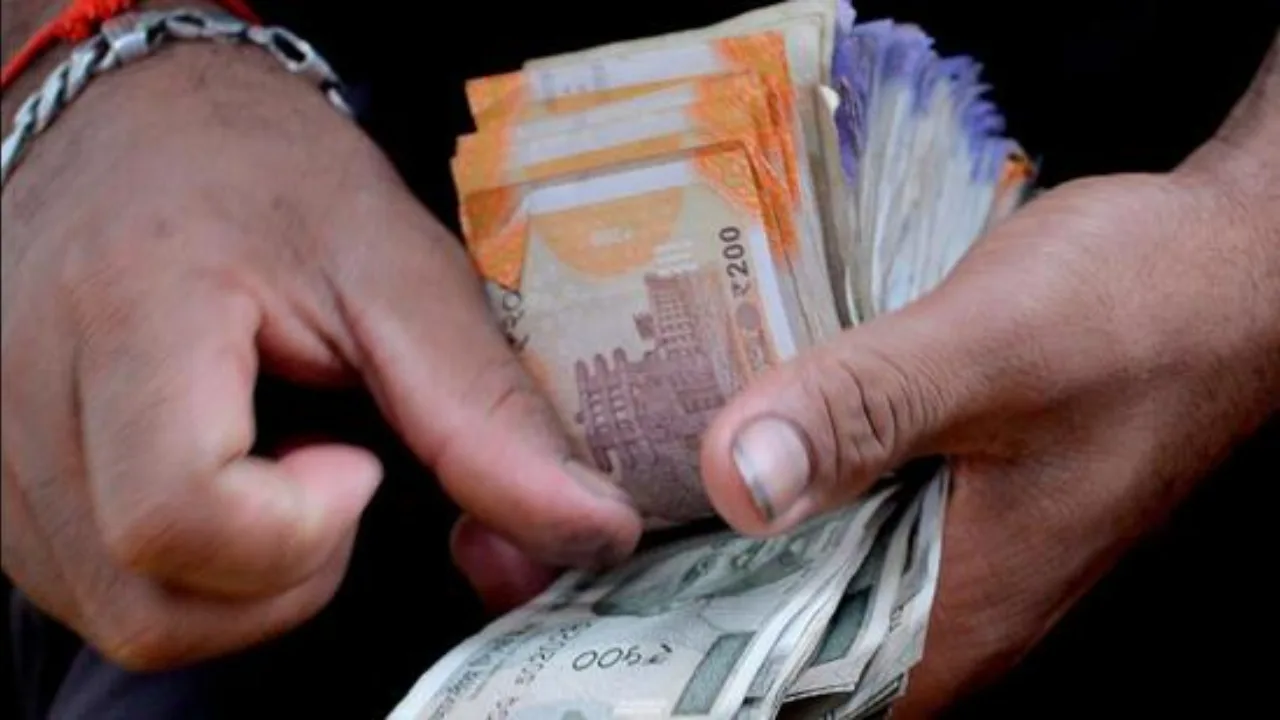
DA Hike Update: Millions of central government workers and pensioners have been looking forward to an increase in their dearness allowance (DA) for quite a while. Typically, the government announces a DA hike around Holi, but this year, even with April underway, the announcement is still pending. Nevertheless, employees and pensioners might soon hear some positive news.
As per a report, the Union Cabinet meeting set for the second week of April is expected to approve the DA hike proposal. The most reassuring news for employees is that this increase will take effect from January 1, 2026. This means that the outstanding arrears will also be disbursed to employees at that time.
Currently, central government employees receive a dearness allowance of 58%, which could rise to 60% following this adjustment. This will enhance their net salary. Although this increase may seem like just 2%, it will offer considerable financial relief to middle-class families amid rising inflation.
The delay in announcing the DA hike is attributed to the transition from the 7th to the 8th Pay Commissions. The term of the 7th Pay Commission officially concluded on December 31, 2025. Starting January 1, 2026, the salary structure for central government employees is theoretically under the 8th Pay Commission, which has sparked ongoing discussions about the calculation methods.
The 8th Pay Commission was established in November 2025, but the government has allowed the Commission a generous 18 months to finalize its recommendations. During this transition phase, the government faced the dilemma of whether to continue paying DA under the old system or to implement a new formula. It has been decided that until the new commission presents its report, employees will keep receiving their dearness allowance based on the existing formula.
This marks the first increase since the conclusion of the 7th Pay Commission and the start of the 8th Pay Commission era. This choice will have a direct effect on the financial well-being of more than 10 million central government workers and pensioners. The minor adjustments made during the transition between Pay Commissions will be vital in shaping the basic salaries and other allowances for employees in the future.
Usually, when a new pay commission is fully put into effect, the accumulated DA up to that point is incorporated into the basic salary. After that, DA calculations begin anew from zero, leading to a substantial boost in employees’ salaries. Hence, this current 2% increase will lay a solid and significant foundation for future salary adjustments and restructuring.
The second week of April might bring happiness to millions of families who are already feeling the pinch of inflation. This decision from the central government is highly anticipated not just by current employees but also by older pensioners who are in dire need of this extra amount for medications and everyday expenses.
Latest News
- Tata Tiago Facelift Launching Soon – Aggressive Design And High-Tech Cabin Revealed

- LPG Gas Connection Transfer Made Easy, Learn the Complete Process

- New Honda City Facelift 2026 Launched – Sporty Coupe Look And ADAS Safety Revealed

- 8th Pay Commission: केंद्रीय कर्मचारियों की बढ़ेगी बंपर सैलरी! आयोग ने उठाया यह बड़ा कदम

- China: चीन के कोयला खदान में भयंकर विस्फोट, 90 लोगों की गई जान, पीएम मोदी ने भी जताया दुख

- Weather warning – Heavy Rain, thunderstorms, lightning Alerts for 13 States Over Next 3 Days

- UP TGT Exam City Slip 2026 Released – Download at upessc.up.gov.in, Exam June 3-4

- ATM Alert: एटीएम में फंस जाए डेबिट कार्ड तो घबराएं नहीं, फटाफट यह काम करने से होगा समाधान

- Post Office Scheme – 7.5% Interest Rate, ₹5 Lakh Becomes ₹7,24,974 in 5 Years, Start with Just ₹1,000

- Best AI Video Editing Laptops Under 60,000 INR: Top Picks Her