
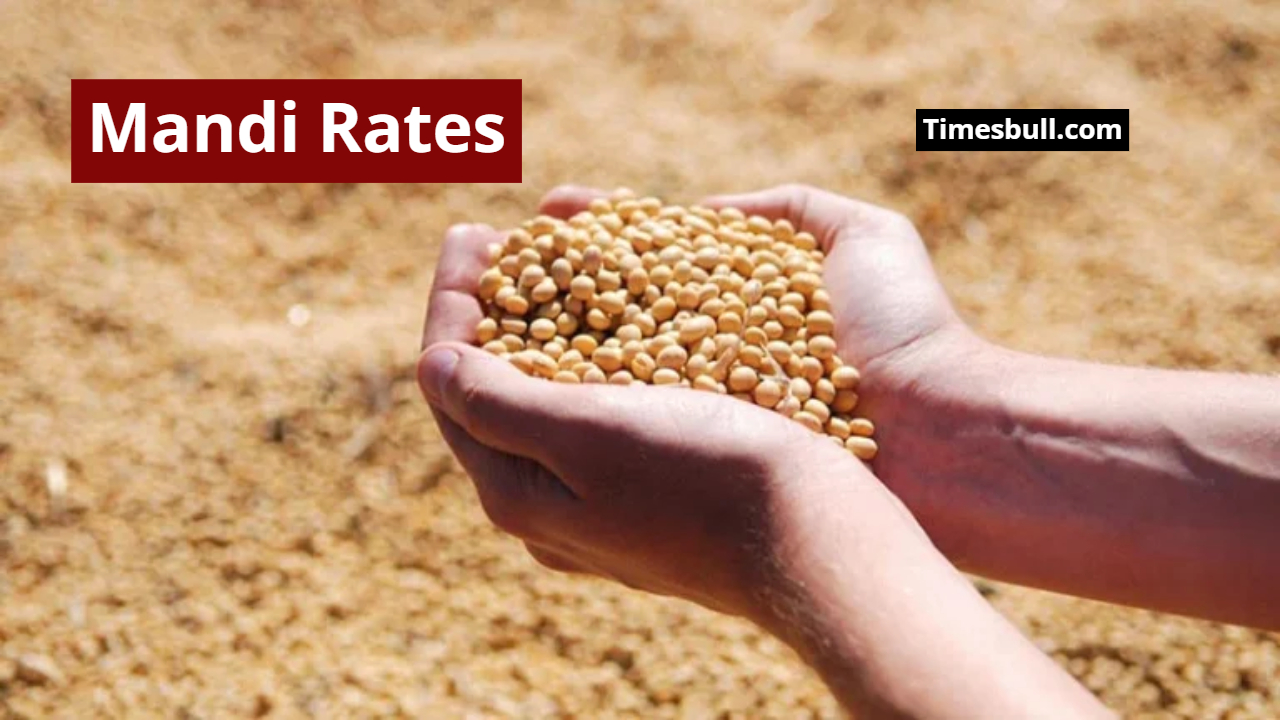
Castor prices are trading at a strong pace in the country’s agricultural markets these days. For the first time in the past three years, castor prices have reached such high levels. Castor prices on the National Consumer Dispute Reduction Index (NCDEX) have surpassed ₹7,000 per quintal, the highest level since February 2023. In February 2023, castor prices reached ₹7,152, and current prices are showing a strong rebound in this range.
Castor prices have seen a rise of approximately 7 percent over the past two months. In November alone, the rise of approximately 3 percent has been observed, which appears to be strengthening due to steadily increasing demand and limited production.
Read More- OnePlus 15: Smartphone with Stellar Performance, Amazing Battery and 165hz Display
Which states produce the most castor?
Gujarat is the largest producer of castor in India, accounting for the largest share of the country’s total production. This is followed by Rajasthan, Odisha, Telangana, and Andhra Pradesh. Castor remains an important cash crop for farmers in these states.
Fluctuations in Castor Seed Production
Castor seed production has fluctuated significantly over the past few years. Production peaked at 1.842 million tons in 2019-20. Subsequently, production declined to 1.647 million tons and 1.619 million tons in 2020-21 and 2021-22, respectively. The situation improved in 2022-23, reaching 1.98 million tons. In 2023-24, it reached 1.959 million tons, but production is projected to decline again to 1.73 million tons in 2024-25.
This decline in production has limited supply in the market, supporting prices.
Spiking Soybean Prices in the International Market
Global soybean prices are also rising. Soybean prices in the international market have reached a nearly one-and-a-half-year high. It has been rising for the second consecutive month. So far, November has seen a gain of about 2.50 percent, and October has seen a gain of about 10 percent.
This increase has been further strengthened by falling global stocks, rising demand, and fears of a decline in global production.
Read More- Fast UPI Recharge for FASTag, Skip the Toll Lane Waiting Time
Soybean prices rise on USDA estimates
According to the USDA report, global soybean production is expected to be 421.75 million tons, which is lower than normal. Furthermore, closing stocks are estimated to be 121.99 million tons, which has raised concerns about supply in the market.
Demand for soybean meal has also increased rapidly in Asia. Rising consumption of soybean meal as animal feed has provided additional support to prices. Rising demand and limited supply have combined to push prices to new highs.
Latest News
- PM Kisan Samman Nidhi Yojana: नहीं मिल रही 2000 रुपये की किस्त तो किसान तुरंत करवा लें यह काम

- Aadhaar Card Update Rules – How Many Times Can You Change Address, DOB & Number?

- Train Ticket: How to book a confirmed train ticket without an agent? Learn the Easy Steps

- Indian Railways– 155 Trains Express Declared High-Speed, Thousands of Railway Staff to Benefit

- Monsoon Alert – Warning Heavy to Very Heavy Rain alert & thunderstorms in 22 States Over Next 4 Days

- America-Iran War: मिडिल ईस्ट में तनाव होगा खत्म! ईरान ने होर्मुज रास्ते पर कही बड़ी बात

- PM Surya Ghar Yojana 2026: Get Up to Rs 78,000 Subsidy within 6 Easy Steps, Know Here

- Cheapest Available 5G Smartphones in India Under 10000

- UPSC Prelims Answer Key 2026 – How to Download UPSC Prelims Answer Key at upsc.gov.in

- 8th Pay Commission: एनपीएस और पुरानी पेंशन में कौन सी बेहतर, जानिए बड़ा अपडेट